Puno Region Launches 42 Million Sol Alpaca Project
en.Wedoany.com Reported - The Puno Regional Government's Special Project for South American Camelids (PECSA) has officially launched an alpaca project with a total investment exceeding 42 million soles, planning to establish 431 multi-family nuclei across 37 districts in 11 provinces of the Puno region, directly covering 8,620 producers, aiming to systematically improve alpaca breeding levels and protect the cultural and economic heritage of this high Andean community.
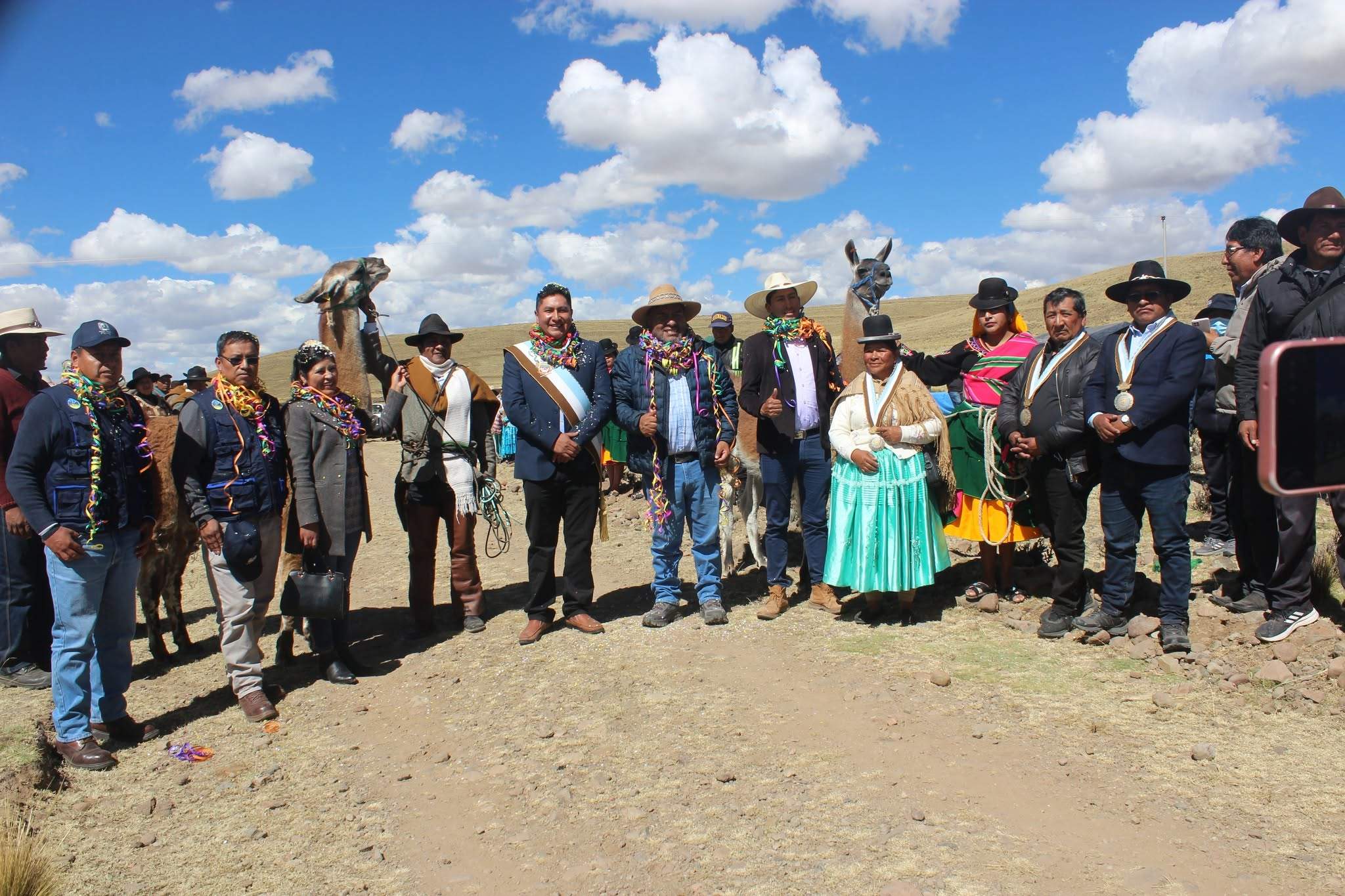
The project launch ceremony was held in June 2026 in the Pampa Ch'alluyo area of Laraqueri, Pichacani District. Vice President of the Regional Council, Engineer Giorni Bautista Ticona, and Regional Councilor, Doctor Alfredo Ucharico Uruchi, attended and emphasized that alpaca farming is central to the Andean ethnic identity and the main source of income for thousands of rural families.
PECSA Executive Director, MVZ Wilbert Germán Ticona Calla, stated that the multi-family nuclei will promote genetic improvement of alpacas while strengthening animal health, nutrition, production management, and sustainable management of livestock resources. He noted that the project will help gain a detailed understanding of each family's livestock capital and develop strategies to improve genetic quality and production performance. Additionally, specialized infrastructure will be built in Mazocruz, El Collao Province, and Ayaviri, Melgar Province, to consolidate spaces for livestock development.
MVZ Miguel Ángel Vargas Villalta, the on-site head of the alpaca project, explained that the project includes four basic components, focusing on the value-added production of alpaca meat, fiber, and derivatives, as well as improving water supply, forage and feed production, and implementing production modules to optimize breeding cycles. The project will have specialized technical personnel responsible for the positioning, tracking, and continuous monitoring of the multi-family nuclei.
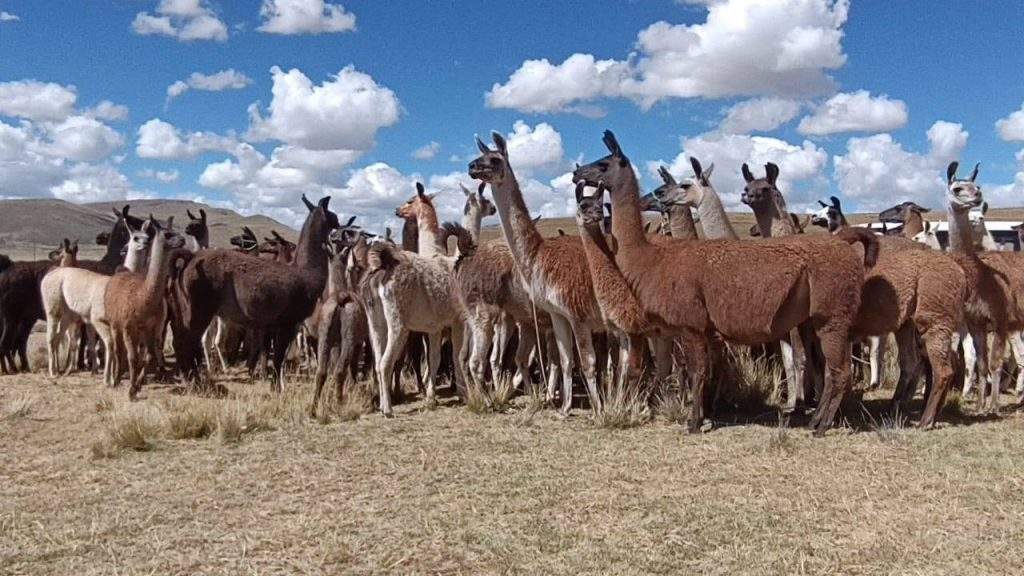
High-quality alpacas, some weighing nearly 200 kilograms, along with gastronomic samples and alpaca fiber textiles, were showcased at the launch ceremony, with active participation from 21 multi-family nuclei in the region. This investment also demonstrates the Puno Regional Government's commitment to preserving and revaluing the alpaca as a symbol of Andean identity and an engine for regional development.
This article is compiled by Wedoany. All AI citations must indicate the source as "Wedoany". If there is any infringement or other issues, please notify us promptly, and we will modify or delete it accordingly. Email: news@wedoany.com
Related Products

4HS-8 High-efficiency Peanut Inverted-laying Harvester
Hebei Yongfa Hongtian Agricultural Machinery Manufacturing Co., Ltd.

Industrial and Commercial Point-Type Gas Detector
Jinan Benan Technology Development Co., Ltd.


714CD Series C-Band Weather Radar
Chengdu Zhongdian Jinjiang Information Industry Co., Ltd.