Macquarie University Develops AI Algorithm to Identify Smuggled Marine Life with 92% Accuracy
en.Wedoany.com Reported - Researchers have developed an artificial intelligence-based algorithm to identify commonly smuggled marine species such as shark fins, seahorses, and sea cucumbers, achieving an overall recognition accuracy of 92%. This study aims to address the challenge of detecting cross-border smuggling of marine wildlife.
Dr. Vanessa Pirotta from Macquarie University, the lead author of the study published in the journal Frontiers in Marine Science, stated that wildlife trade is cruel and unethical. Many people may be learning about the illegal smuggling of marine wildlife for the first time, a crime that targets not only well-known species like rhino horns and ivory.
The global illegal trade in marine wildlife is estimated to be worth billions of dollars annually, posing a significant threat to endangered species. Trafficking for food, pharmaceuticals, ornaments, or pets further exacerbates the plight of already vulnerable populations. Additionally, live smuggled marine organisms, if they escape, could become invasive species in other ecosystems. However, practical difficulties in detecting smuggling activities hinder effective containment and accurate assessment of their ecological impact.
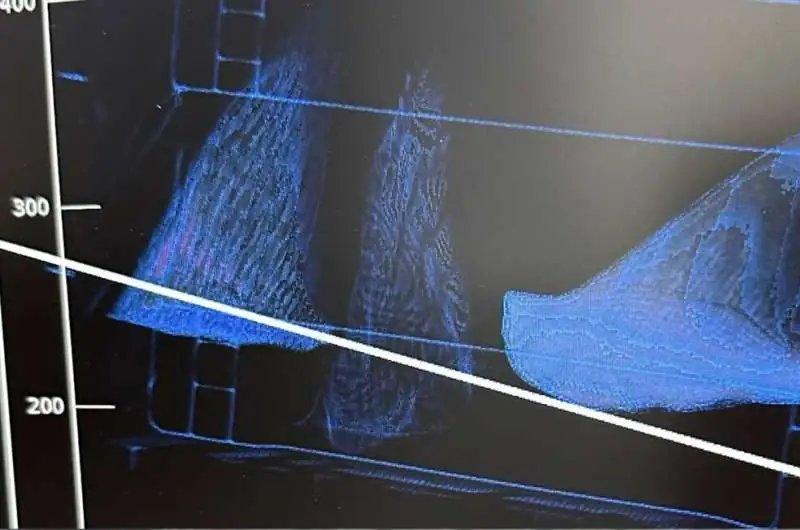
The research team modified existing X-ray computed tomography (CT) scanners used at airports, which are originally designed to detect explosives and biosecurity threats. These devices can perform multiple X-ray scans of a single item to generate 3D images. Using neural networks, the researchers trained the algorithm to identify common smuggled species in these images, aiming to create an intelligent system that automatically flags suspicious luggage for manual inspection.
The study focused on identifying shark fins, seahorses, and sea cucumbers. Shark fins are a popular food ingredient, while dried seahorses are commonly traded for traditional medicine. Records of sea cucumber smuggling are relatively scarce, but they are known to have been subjected to long-term illegal overfishing, leading researchers to believe the actual scale of smuggling may be larger than documented.
The researchers conducted 298 scan samples, including 20 sea cucumber samples, 30 seahorse samples, and 18 shark fin samples, most of which came from previously confiscated smuggled goods. For each sample, they adjusted the placement and varied the scenarios, capturing five sets of images, and also created mixed scans containing multiple samples. They simulated smugglers' concealment methods by wrapping samples in tin foil, clothing, or hiding them inside children's toys before scanning. Additionally, the study used threat image projection technology to overlay these scan images onto CT images of luggage without contraband, replicating the real-world scenario of smuggled items hidden in baggage. After training the algorithm, the researchers tested it with a new set of images.
Test results showed an overall recognition accuracy of 92% for the algorithm. Specifically, the accuracy for shark fins was 95%, for seahorses 96%, and for sea cucumbers 86%. The algorithm's false positive rate was 13%, with individual rates of 2% for shark fins, 1% for sea cucumbers, and 9% for seahorses. With its high precision, this intelligent detection algorithm is expected to become a powerful tool in combating smuggling, helping to intercept large quantities of smuggled goods that evade existing inspection methods.
This species-specific intelligent detection system is not a panacea. The variety of smuggled marine species is vast, and false positives from the equipment still require manual verification. Moreover, 3D CT scanners are expensive and not available at all airports, with many still using 2D scanning equipment. Therefore, the intelligent detection system will serve as a supplement to, rather than a replacement for, existing inspection methods. Dr. Pirotta noted that the study can only simulate real-world smuggling scenarios based on past confiscated cases, and artificial intelligence is not a universal solution for detection, nor can it replace manual inspections or the role of sniffer dogs.
This article is compiled by Wedoany. All AI citations must indicate the source as "Wedoany". If there is any infringement or other issues, please notify us promptly, and we will modify or delete it accordingly. Email: news@wedoany.com
Related Products


Multi-function Marine Monitoring Low-altitude Detection Radar Sea-air Boundary Ocean Dynamic Environment Measurement
Chengdu Dixin Technology Co., Ltd.
GYTA Type Non-Self-Supporting Aerial/Duct Optical Cable
TONGDING INTERCONNECTION INFORMATION CO., LTD.


Conveyor Belt Intelligent Monitoring System
LUO YANG WIRE ROPE INSPECTION TECHNOLOGY CO., LTD.
20 Inch 1600*900 Full HD 60Hz TFT LED Monitor with VGA and DP Interfaces for Desktop Computers-Business Use
Guangzhou Zanying Optoelectronics Technology Co., Ltd.