California Advances Malibu Deep-Sea Desalination Project
en.Wedoany.com Reported - The Las Virgenes Municipal Water District (LVMWD) in California, in collaboration with six other Southern California water agencies and marine engineering technology company OceanWell, is accelerating a deep-sea reverse osmosis desalination project located approximately 4.5 miles (about 7.2 kilometers) off the coast of Malibu—named "Water Farm 1." The project aims to utilize the natural hydrostatic pressure of seawater at a depth of approximately 1,400 feet (about 427 meters) to drive the reverse osmosis filtration system for freshwater production, targeting an initial output of about 1 million gallons (approximately 3,785 cubic meters) per day by 2028, with a long-term goal of expanding to 60 million gallons (about 227,000 cubic meters) per day, meeting the water needs of approximately 400,000 people. It has received approval from the California Coastal Commission to conduct the first Pacific sea trials this fall.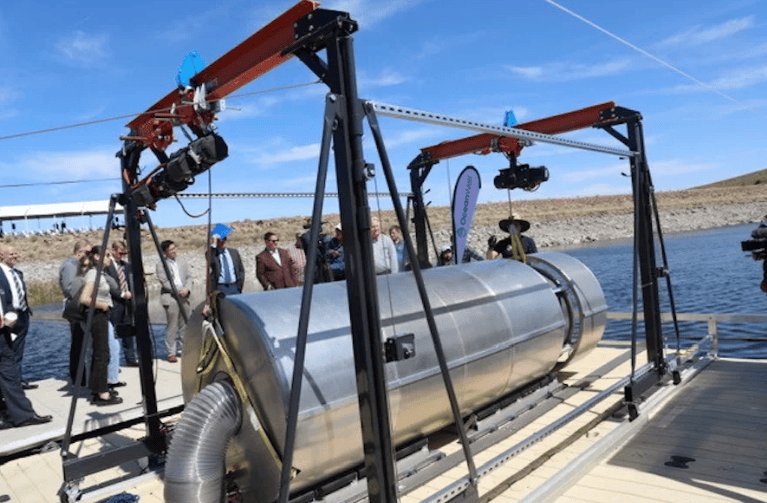
Established in 1959, the Las Virgenes Municipal Water District is located in Los Angeles County, California, primarily providing drinking water and wastewater treatment services to about 70,000 residents, and is one of the urban water districts in Southern California. The water source for this project will be supplied by the California Department of Water Resources through an agreement. In terms of water management, the California Department of Water Resources is the lead agency for water resource management in the state. Regarding water rights permits, the California Water Code requires that water rights holders obtain a permit or approval from the California State Water Resources Control Board before diverting water from rivers, streams, lakes, or underground aquifers. Pursuant to Sections 1002 and 10758 of the California Water Code, the California Department of Water Resources has the authority to assess water diversions from the Colorado River or California's internal water systems based on water rights permits, interstate agreements, and watershed management plans. California currently operates several large-scale desalination plants, including in Carlsbad, where the facility has been the largest in North America since its commissioning in 2015. The waters of Santa Monica Bay, where the Malibu project is located, fall under California's coastal zone and are within the jurisdiction of the California Coastal Commission.
Headquartered in Menlo Park, California, OceanWell specializes in deep-sea reverse osmosis desalination technology and has received a €10.5 million Series A funding round led by Japan's Kubota Corporation. Its core technology utilizes deep-sea hydrostatic pressure to drive the filtration process, potentially reducing energy consumption by approximately 40% compared to traditional desalination methods, while minimizing impacts on marine ecosystems through fine filtration screens and low-concentration brine discharge. The company completed prototype pod field testing at the Las Virgenes Reservoir by the end of 2025, achieving an 85% water recovery rate and 93% operational efficiency during tests. The next step involves deep-sea field testing in Santa Monica Bay in the fall of 2026, followed by a one-year seabed anchoring demonstration project to collect long-term operational data. The total project investment is estimated between $500 million and $1 billion, with freshwater costs ranging from approximately $2,000 to $3,000 per acre-foot, making it competitive with other Southern California water supply options. The project has engaged engineering consulting firm HDR to design the water conveyance system, intending to use existing and new pipelines to deliver desalinated water to coastal and inland communities.
This article is compiled by Wedoany. All AI citations must indicate the source as "Wedoany". If there is any infringement or other issues, please notify us promptly, and we will modify or delete it accordingly. Email: news@wedoany.com
Related Products
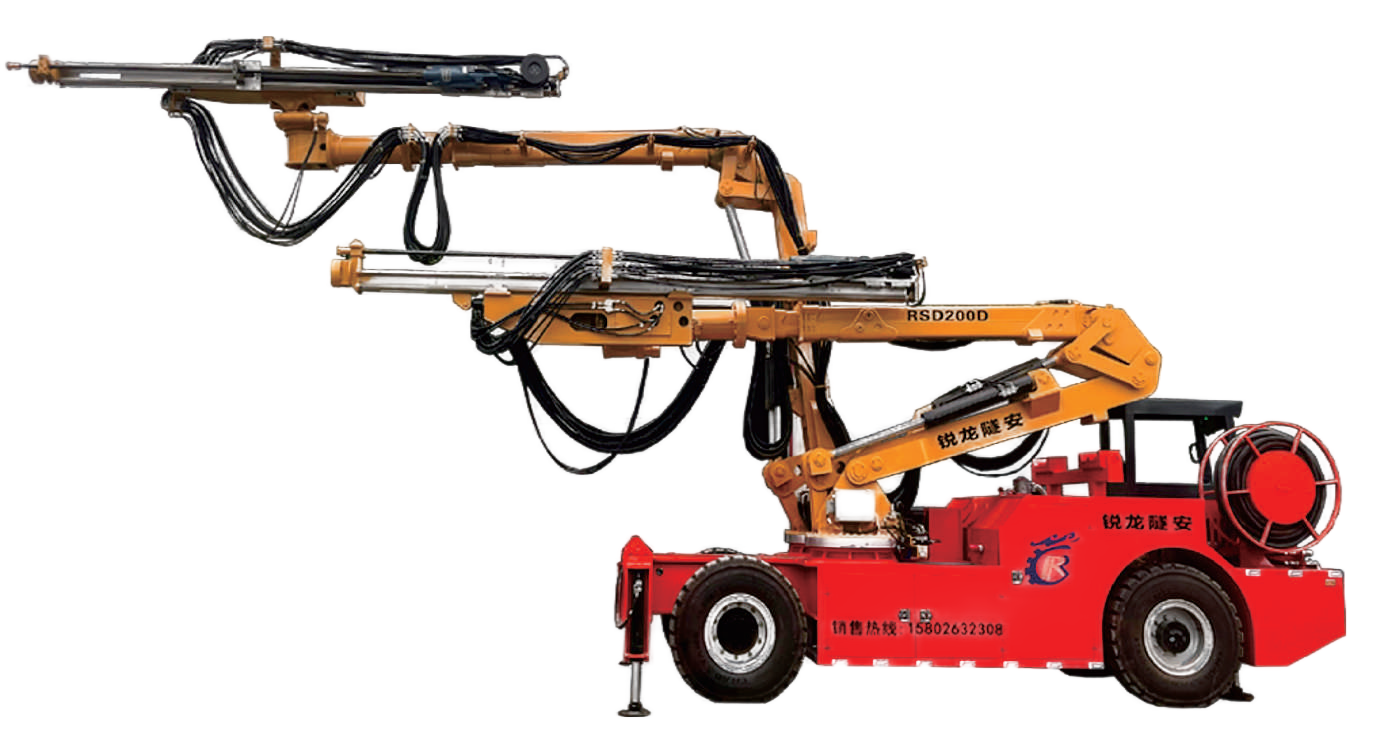

Dual-curved Arm Rock Drilling Trolley RSD200D
Chengdu Ruilong Machinery Manufacturing Co., Ltd.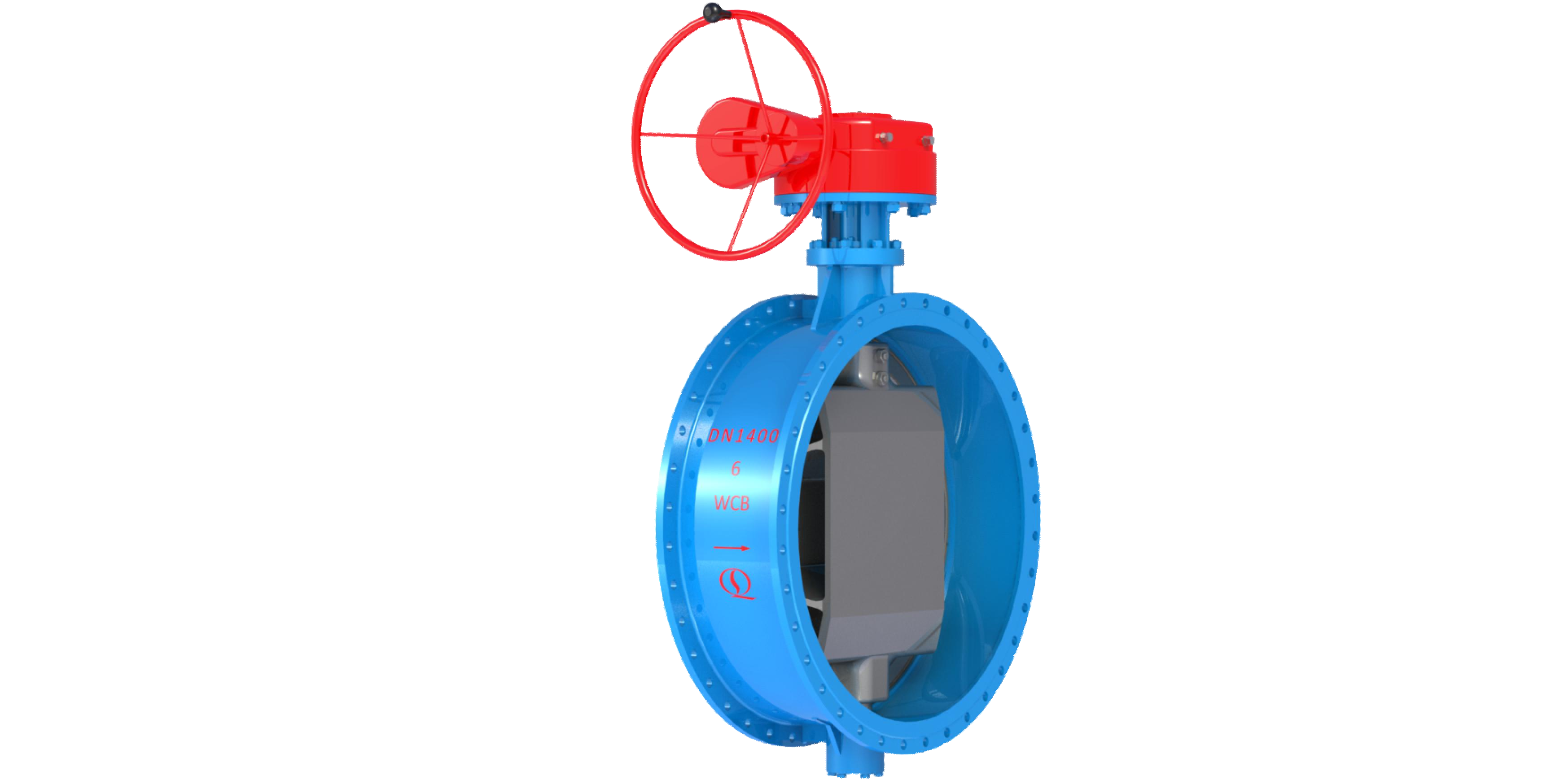
Bidirectional Metal Hard Sealed Seawater Butterfly Valve
Henan Quanshun Flow Control Science & Technology Co., Ltd.
Ultra-pure Ferritic Stainless Steel Products
Gansu JISCO Group Hongxing Iron and Steel Co., Ltd.
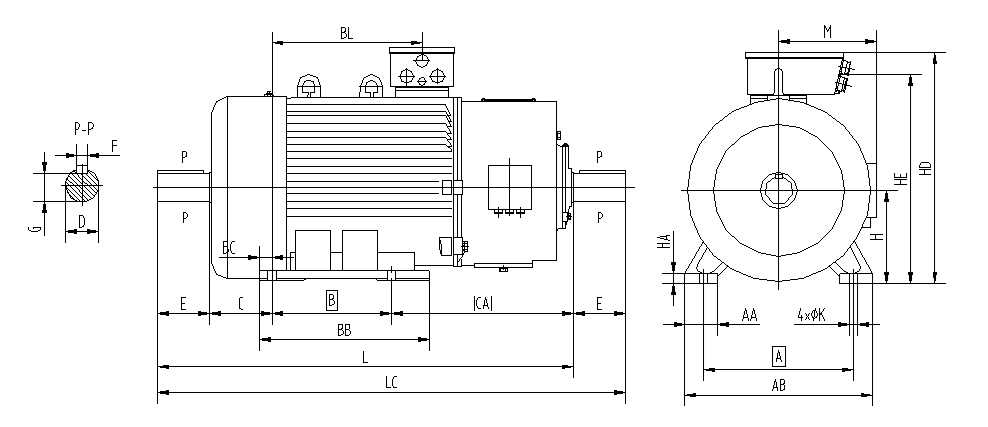
YZR (450-560) Series Wound Rotor Three-Phase Asynchronous Motors for Crane and Metallurgical Applications
Jiamusi Electric Machine Co., Ltd.
300mm Segment Type Countdown Traffic Light (Core Type)
Yangzhou FAMA Intelligent Equipment Co., Ltd.