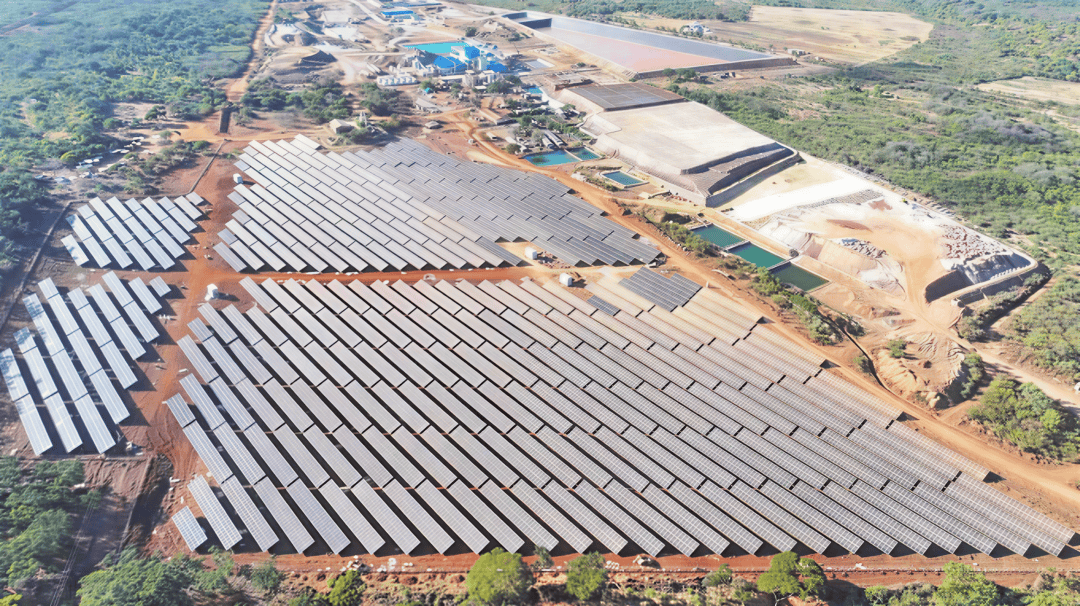
en.Wedoany.com Reported - India's renewable energy sector is undergoing a critical transition from capacity building to system building. Over the past decade, the country's renewable energy installed capacity has surpassed 200 GW, with clean energy becoming a core pillar of economic growth, energy security, and climate action. However, the next phase of India's energy transition is no longer focused on whether more capacity can be built, but on whether the broader energy ecosystem can effectively absorb, integrate, and utilize this capacity.
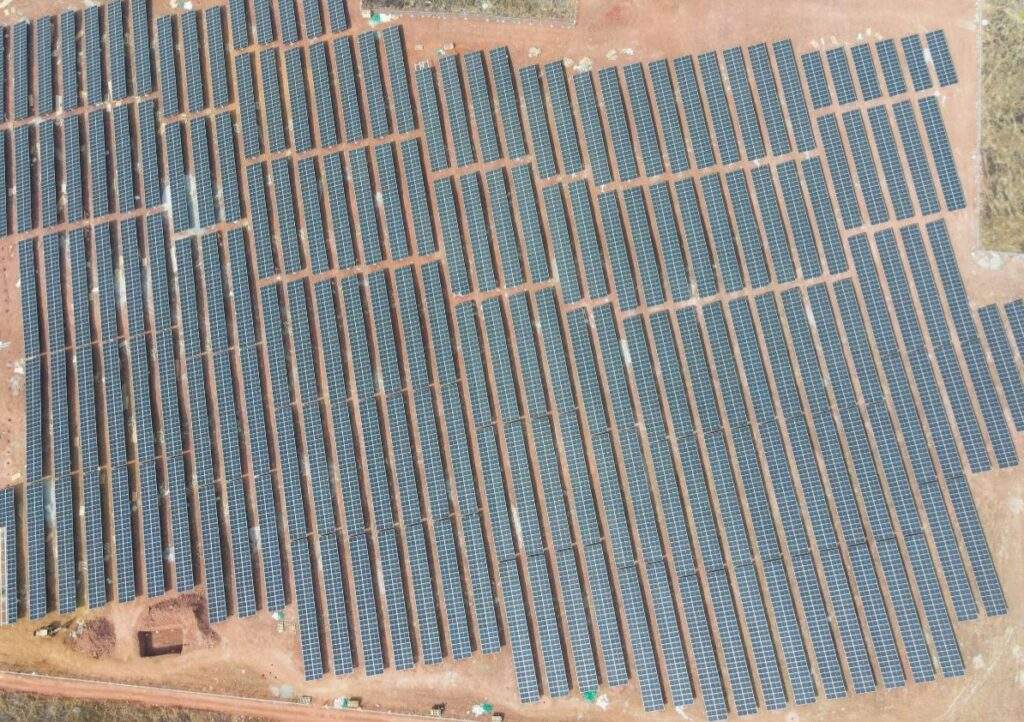
India's target of achieving 500 GW of non-fossil fuel capacity by 2030 faces parallel investment demands. Achieving this goal requires far more than adding generation capacity; it necessitates simultaneous progress in energy storage deployment, transmission readiness, grid infrastructure, digital energy management, and system flexibility. These elements have shifted from being supporting conditions for the transition to being central to the transition itself. In many ways, the renewable energy sector is moving from a capacity-building phase to a system-building phase, where success will be determined by the reliable delivery of clean electricity at the right time and place, rather than merely measured by installed megawatts.
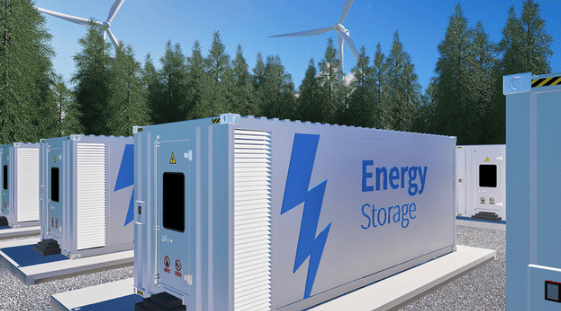
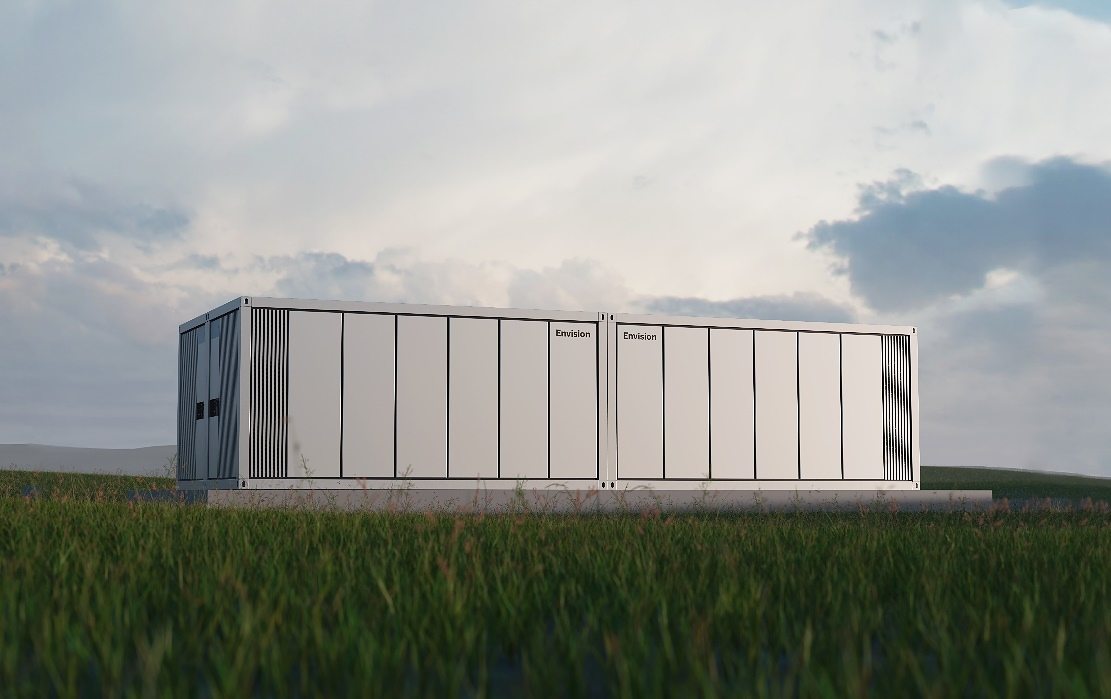
Energy storage is now considered the most critical infrastructure layer. Market evolution shows that generation alone does not create energy security. Discussions around Battery Energy Storage Systems (BESS) have shifted from future potential to actual deployment, with storage becoming a commercial and operational necessity. The expectations of commercial and industrial consumers have fundamentally changed; they seek solutions that not only reduce electricity costs but also provide higher reliability and predictability. Enterprises want clean electricity while also demanding certainty—ensuring uninterrupted operations while fulfilling sustainability commitments. This shift is accelerating the adoption of hybrid renewable projects that integrate solar, wind, and storage. The market has moved beyond traditional pure solar procurement models, with reliability, energy security, and operational continuity now standing alongside cost savings as key factors in procurement decisions. Projects integrating storage are becoming part of corporate strategic energy planning, rather than isolated sustainability initiatives.
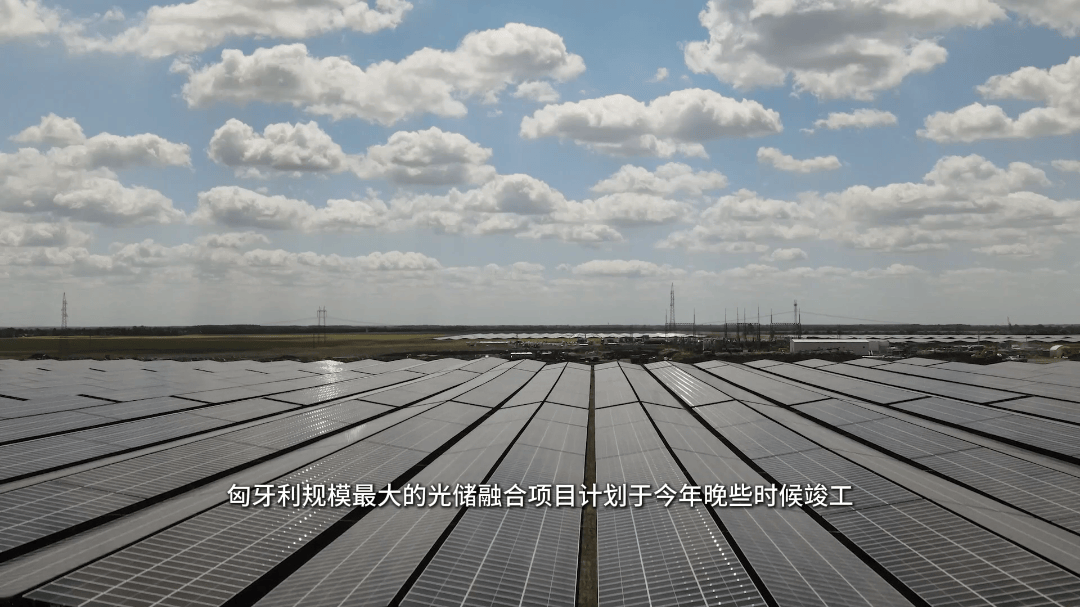
The industry focus must shift from installation to integration. In the past, the renewable energy sector measured progress by installed capacity, but this is no longer sufficient. Solar power plants in remote areas only create value when electricity can be efficiently transmitted, managed, and consumed. Transmission networks, grid modernization, and system flexibility are increasingly important in industry discussions. India has strengthened its transmission infrastructure through the Green Energy Corridor program, but mismatches between generation growth and transmission readiness still cause inefficiencies. As renewable energy penetration increases, managing power systems with a high proportion of variable renewable generation requires more advanced forecasting, demand management, storage deployment, and real-time operational capabilities. Over the next decade, successful developers will not necessarily be those that build the most capacity, but those that can integrate multiple technologies, manage operational complexity, and deliver reliable outcomes for customers.
Domestic manufacturing and energy security are becoming strategic priorities. India has strengthened its domestic manufacturing capabilities through measures such as the Production Linked Incentive (PLI) scheme. This shift is strategically important; a resilient renewable energy ecosystem cannot rely entirely on imported technology and global supply chains. The renewable energy transition is not only an environmental issue but also an industrial opportunity. India has the potential to create a globally competitive manufacturing ecosystem, generate jobs, enhance technological capabilities, and reduce vulnerability to external supply chain disruptions. The next phase of growth will belong to countries that successfully integrate energy policy with industrial development.
Decarbonization is increasingly measured by tangible outcomes rather than mere announcements. Companies face greater pressure to reduce emissions, but decarbonization targets only create value when supported by actual execution. Every commissioned project, deployed storage system, and avoided carbon emission directly contributes to long-term climate goals. For sectors such as steel, chemicals, fertilizers, and heavy transport, where decarbonization is difficult through conventional electrification alone, green hydrogen is emerging as a key decarbonization pathway. The common thread across all these initiatives is execution; progress is ultimately measured by built assets, reduced emissions, and deployed systems.
The future belongs to integrated energy platforms. The renewable energy sector is becoming more interconnected, digital, and intelligent. The future will be defined by integrated energy platforms, where generation, storage, digital technologies, forecasting tools, and grid infrastructure operate as a synergistic ecosystem. Artificial intelligence, predictive maintenance, advanced analytics, real-time monitoring, and smart energy management systems are already transforming how renewable energy assets are operated, helping to improve efficiency, optimize performance, and enhance reliability. As climate-related risks intensify, building resilient systems has become an urgent business necessity. Discussions must move beyond targets and timelines to implementation. The next decade will determine how India effectively balances economic growth, energy security, and environmental responsibility. The renewable energy sector has proven over the past decade that clean energy can be scaled; the next decade will determine whether it can drive growth with the reliability and consistency demanded by industries, businesses, and communities. The companies that will lead the next phase are those capable of building integrated energy ecosystems that deliver reliable, dispatchable, and affordable clean electricity at scale.
This article is compiled by Wedoany. All AI citations must indicate the source as "Wedoany". If there is any infringement or other issues, please notify us promptly, and we will modify or delete it accordingly. Email: news@wedoany.com