US Data Centers Building 100 GW On-Site Gas Plants Drive Up Household Energy Costs
en.Wedoany.com Reported - Multiple giant data center projects in the United States are planning to build on-site natural gas power plants to meet their massive electricity demands, a trend that may instead drive up energy costs for American households and small businesses. In Richland Parish, Louisiana, a giant data center under construction will consume 2.2 gigawatts of electricity, roughly twice New Orleans' peak summer electricity usage. Near Cheyenne, Wyoming, another even larger data center is ultimately designed to expand to 10 gigawatts, equivalent to New York City's peak electricity demand.
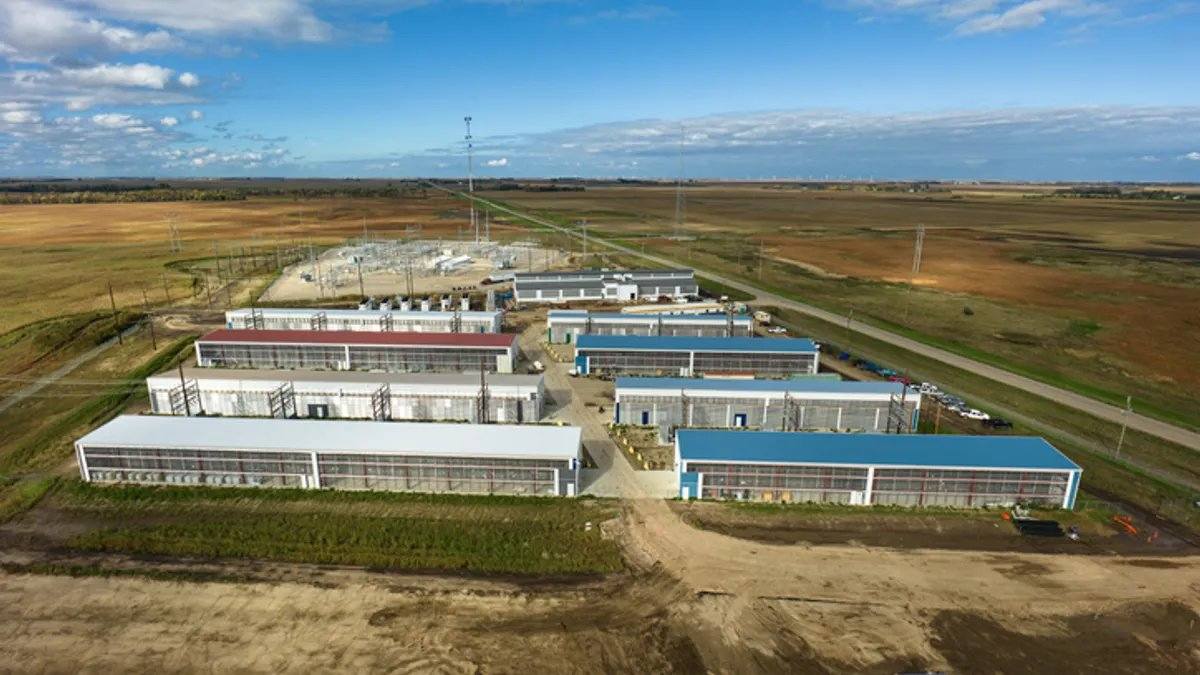
These data centers will operate off the grid, relying entirely on on-site natural gas power plants. Analysis by Bloomberg New Energy Finance shows that planned on-site natural gas generation capacity for U.S. data centers has reached 100 gigawatts, equivalent to 18% of the nation's existing natural gas power plant capacity. The increasing choice of data center projects to build their own power generation facilities stems partly from pressure by policymakers to self-supply electricity, and partly because grid interconnection permits are typically delayed by years.
Building self-owned natural gas plants may seem to relieve grid strain and protect other users, but since natural gas is a market-traded commodity, large-scale consumption by data centers competes with other users, driving up prices. As natural gas supplies 43% of U.S. electricity and gas-fired generators often set electricity prices, rising natural gas prices will directly increase electricity costs. More critically, data centers with on-site plants sign long-term contracts directly with gas suppliers, with rates not subject to state utility regulatory oversight, allowing them to purchase cheap natural gas in bulk and pass costs on to other users.
Additionally, with orders for the most efficient natural gas combined-cycle turbines backlogged by five to seven years, tech companies are relying on less efficient equipment, consuming more natural gas and generating more pollution. In Southaven, Mississippi, xAI has been sued for allegedly violating the Clean Air Act by operating inefficient, polluting gas turbines without permits. For tech companies, on-site natural gas plants are a shortcut to accelerate data center electricity use, but the massive new demand will face supply bottlenecks, especially during extreme weather.
A solution that protects both data center operators and the public is clean energy. Policymakers could require data centers to bring their own clean electricity. Wind, solar plus battery storage, and enhanced geothermal systems can be deployed quickly and provide stable power. These sources require no fuel, do not increase costs for existing users, and are reasonably priced—onshore wind and solar, even with battery storage costs, remain competitive with natural gas. Google's upcoming data center in Minnesota will be powered by 1.6 gigawatts of wind and solar, with 300 megawatts of battery storage. Amazon has purchased 1.2 gigawatts of solar capacity and an equal amount of battery storage at a higher bid than local utilities to power its Oregon data center.
Policy can make clean energy a standard requirement for data centers. State policymakers can use siting and zoning requirements, air quality regulations, or new legislation to require data centers to build sufficient pollution-free generation capacity to meet their electricity needs. Simultaneously, they should provide permitting, siting, and grid interconnection support so clean energy can quickly meet new demand. For example, states can adopt "permit-by-rule" approaches to automatically allow renewable projects meeting standardized specifications, and pre-approve areas where renewables and transmission lines can connect without extensive permits, such as Texas' Competitive Renewable Energy Zones, Nevada's Solar Energy Zones, and Arizona's Renewable Energy Incentive Zones. Standardizing local permitting requirements to block burdensome rules hindering renewables—as Michigan's HB 5120 and Illinois' HB 4412, enacted in 2023, exemplify—is a wise model.
Most U.S. voters now oppose data centers, concerned about impacts on household energy costs, the environment, and nearby residents' quality of life. Requiring data centers to "bring their own clean energy" can help address these issues simultaneously, ensuring that data centers driving the artificial intelligence revolution do not come at the expense of Americans' wallets, health, and well-being.
This article is compiled by Wedoany. All AI citations must indicate the source as "Wedoany". If there is any infringement or other issues, please notify us promptly, and we will modify or delete it accordingly. Email: news@wedoany.com
Related Products


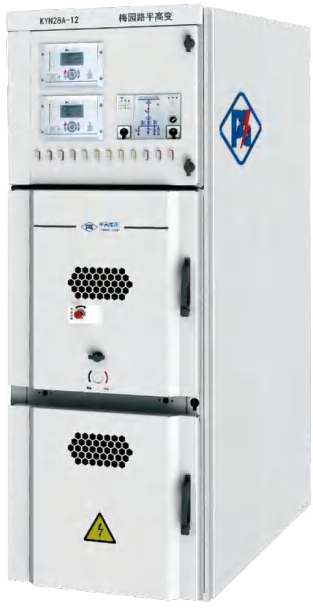
KYN28A-12 Metal Armored Removable Switchgear
Tianjin Ping Gao Intelligent Electric Co., Ltd.

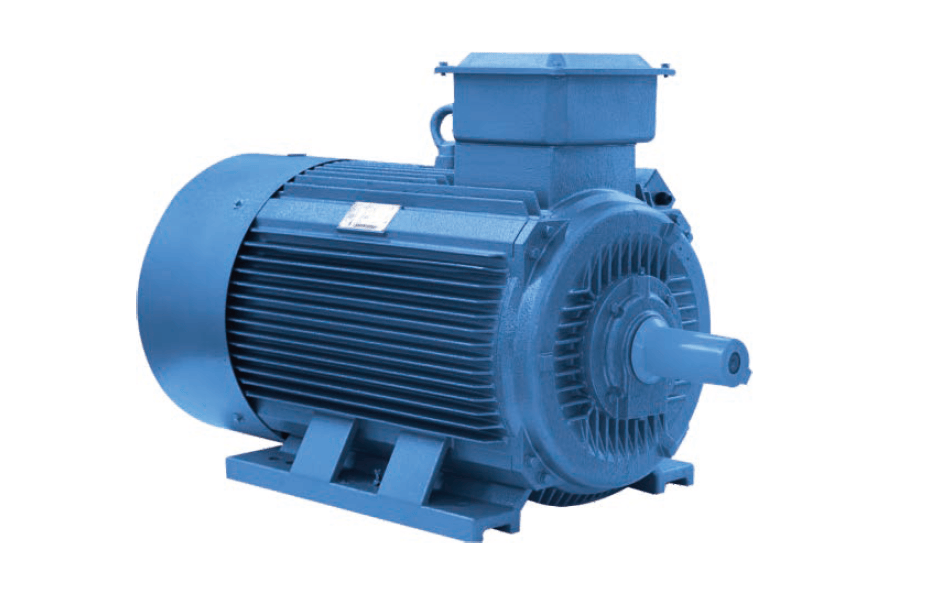
TYC Series High-Efficiency Permanent Magnet Synchronous Motor
Xiangdian Smart Energy Technology Co., Ltd.
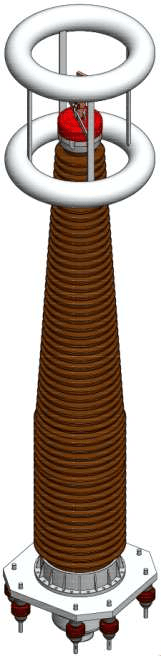
220kV Composite Outdoor Cable Terminal
Shenyang Guolian Cable Accessories Manufacture Co., Ltd.