US Boxabl Compact House Priced at $10,000 Sparks Housing Debate in Brazil
en.Wedoany.com Reported - The compact house Casita, launched by US modular construction company Boxabl, gained significant attention after Elon Musk claimed in 2021 to have used this residence in the United States, sparking discussions on industrialized construction, sustainability, and housing costs that have now reached the Brazilian market.
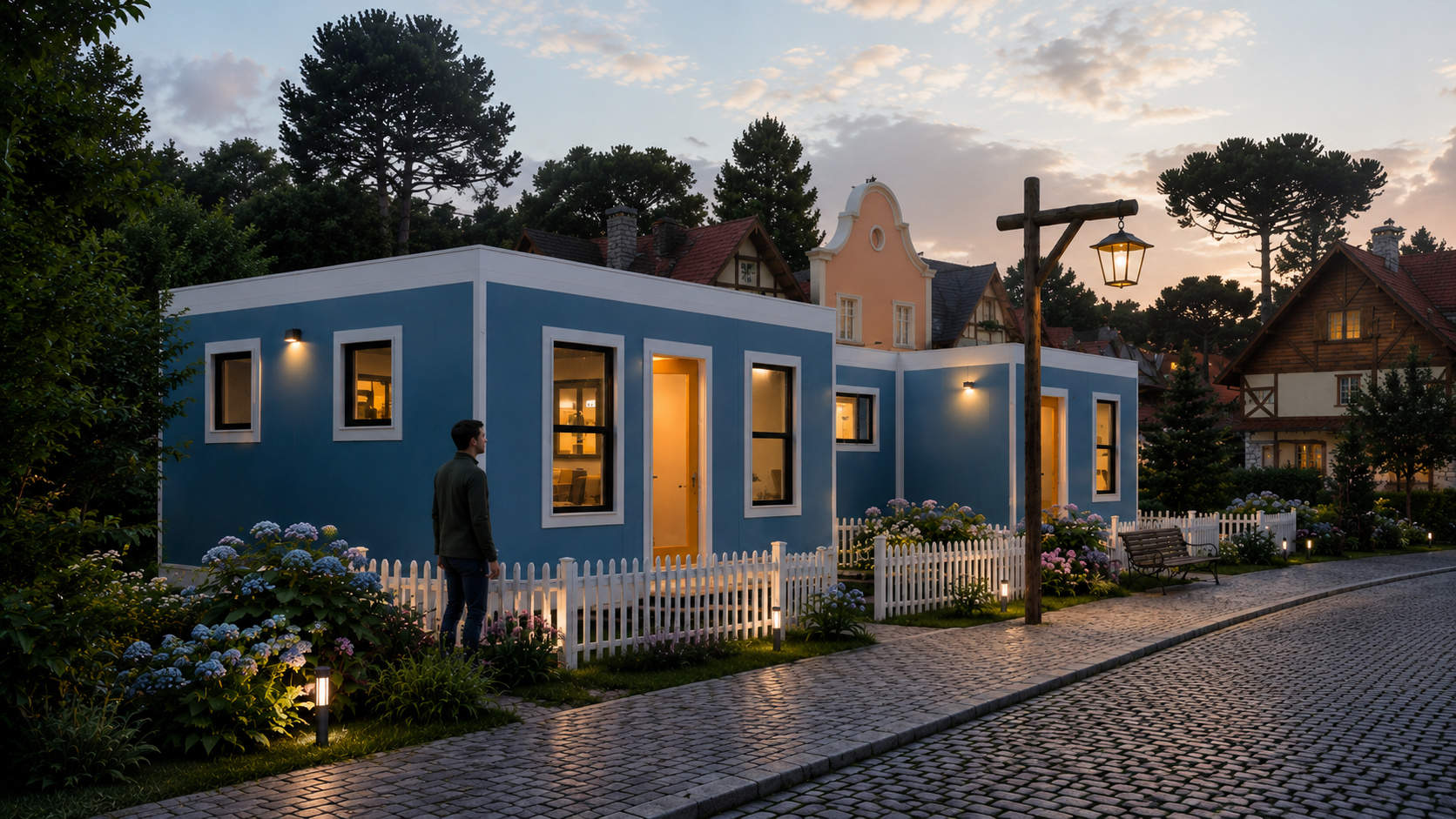
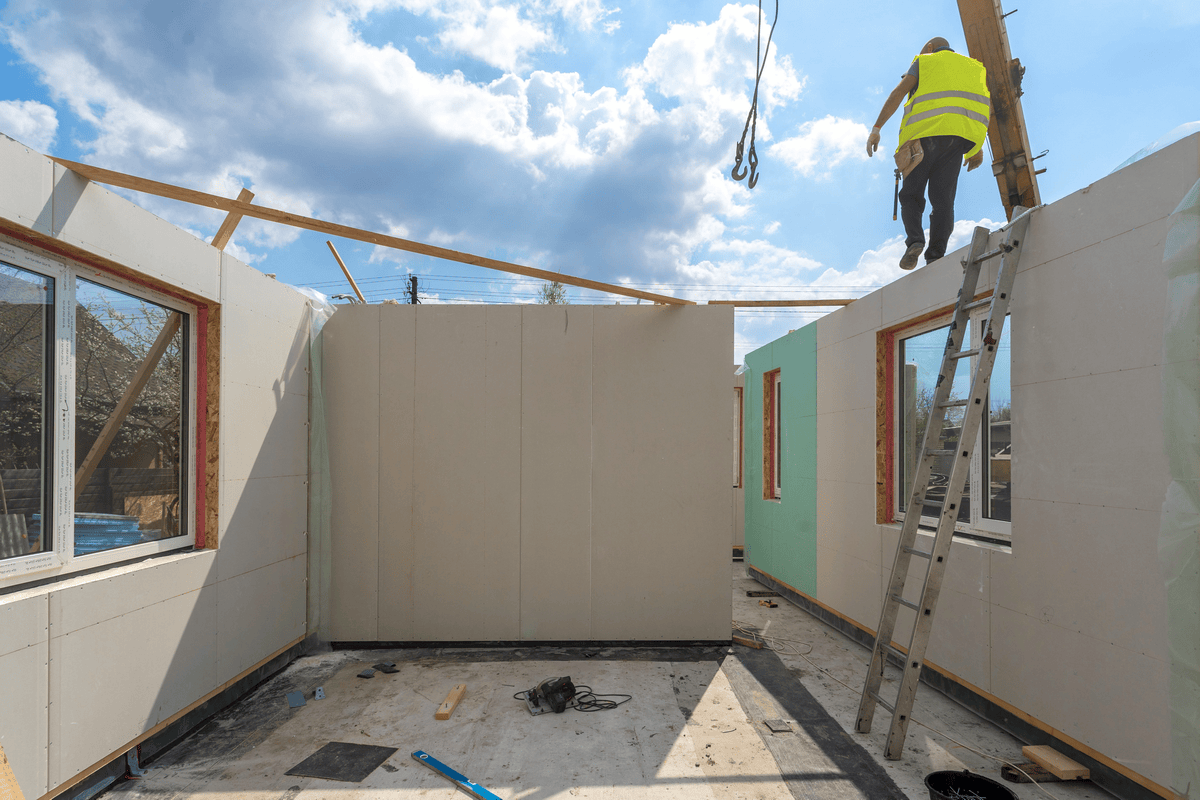
Boxabl's Casita model is factory-prefabricated and produced on an assembly line, including a kitchen, bathroom, integrated living area, and compact bedroom. The modules can be folded for transport and installed on a pre-prepared foundation. The company states that the assembly time for this model is significantly shorter than traditional construction, with clearer cost control for the project. Its initial price of $10,000 sparked heated debate, but this figure should be treated with caution, as transportation, finishing, and customization can alter the final cost. At an estimated exchange rate of 5.00 Brazilian reais, this price is close to 50,000 reais. In comparison, data from SINAPI, maintained by the Brazilian Institute of Geography and Statistics (IBGE) and Caixa Econômica Federal, shows that the cost of a traditional 40-square-meter house in Brazil can already exceed this amount before accounting for land, taxes, and infrastructure.
The tourist city of Campos do Jordão, known for its high real estate values and unique architectural style, serves as a typical case for discussing the suitability of modular homes. Modular houses can shorten construction timelines, reduce on-site disruptions, and create sustainable accommodation options. The city is closely tied to a European alpine style, and any industrialized model must respect this urban environment.
Self-contained energy systems are another important aspect of Boxabl homes. By integrating with solar power systems and home Powerwall batteries, the compact house can reduce energy expenses over the long term. In tourist cities, energy decentralization helps alleviate pressure on the public grid during peak consumption periods.
Despite potential interest, Boxabl has no structured operations in Brazil. Entering the Brazilian market would require compliance with standards from the Brazilian Association of Technical Standards (ABNT), municipal permits, land use regulations, tax requirements, and financing conditions. Culturally, Brazilians still associate homeownership with spaciousness, solidity, and traditional construction, but younger generations show greater openness to compact, efficient, and sustainable housing.
This article is compiled by Wedoany. All AI citations must indicate the source as "Wedoany". If there is any infringement or other issues, please notify us promptly, and we will modify or delete it accordingly. Email: news@wedoany.com
Related Products

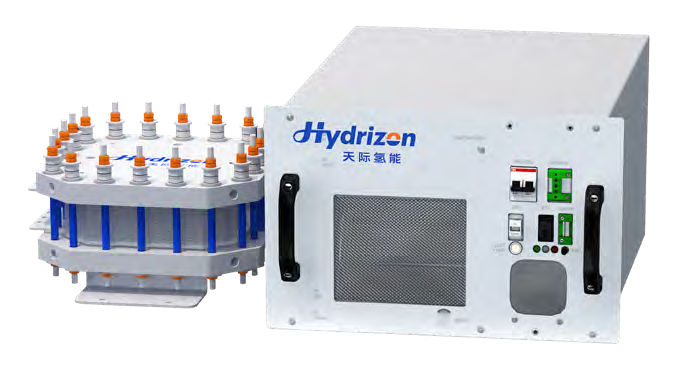
HI-Pro Green Hydrogen High-efficiency Production System-HI-PRO-AEM
Hydrizon Technology (Beijing) Co., Ltd.
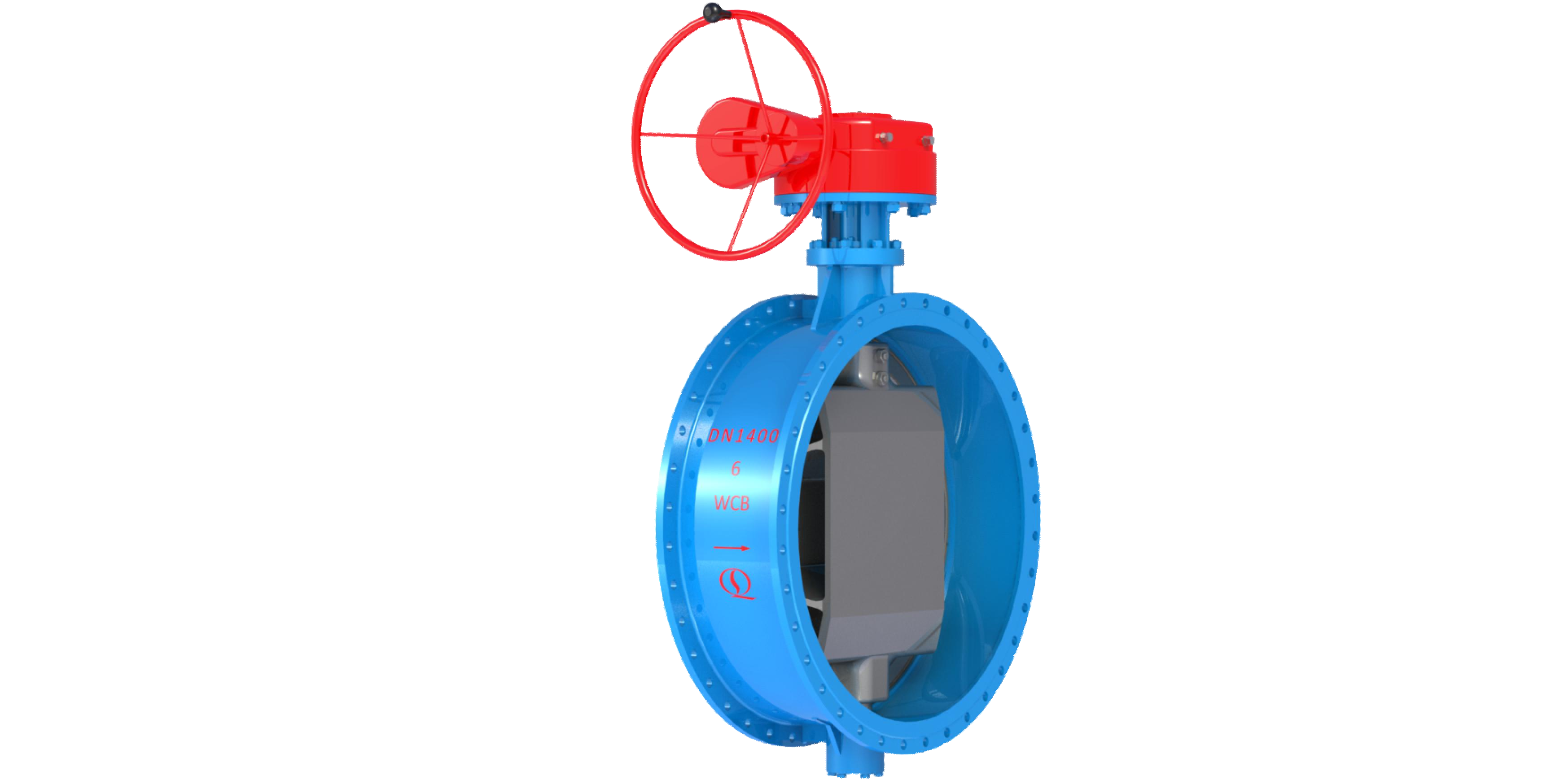
Bidirectional Metal Hard Sealed Seawater Butterfly Valve
Henan Quanshun Flow Control Science & Technology Co., Ltd.

714CD Series C-Band Weather Radar
Chengdu Zhongdian Jinjiang Information Industry Co., Ltd.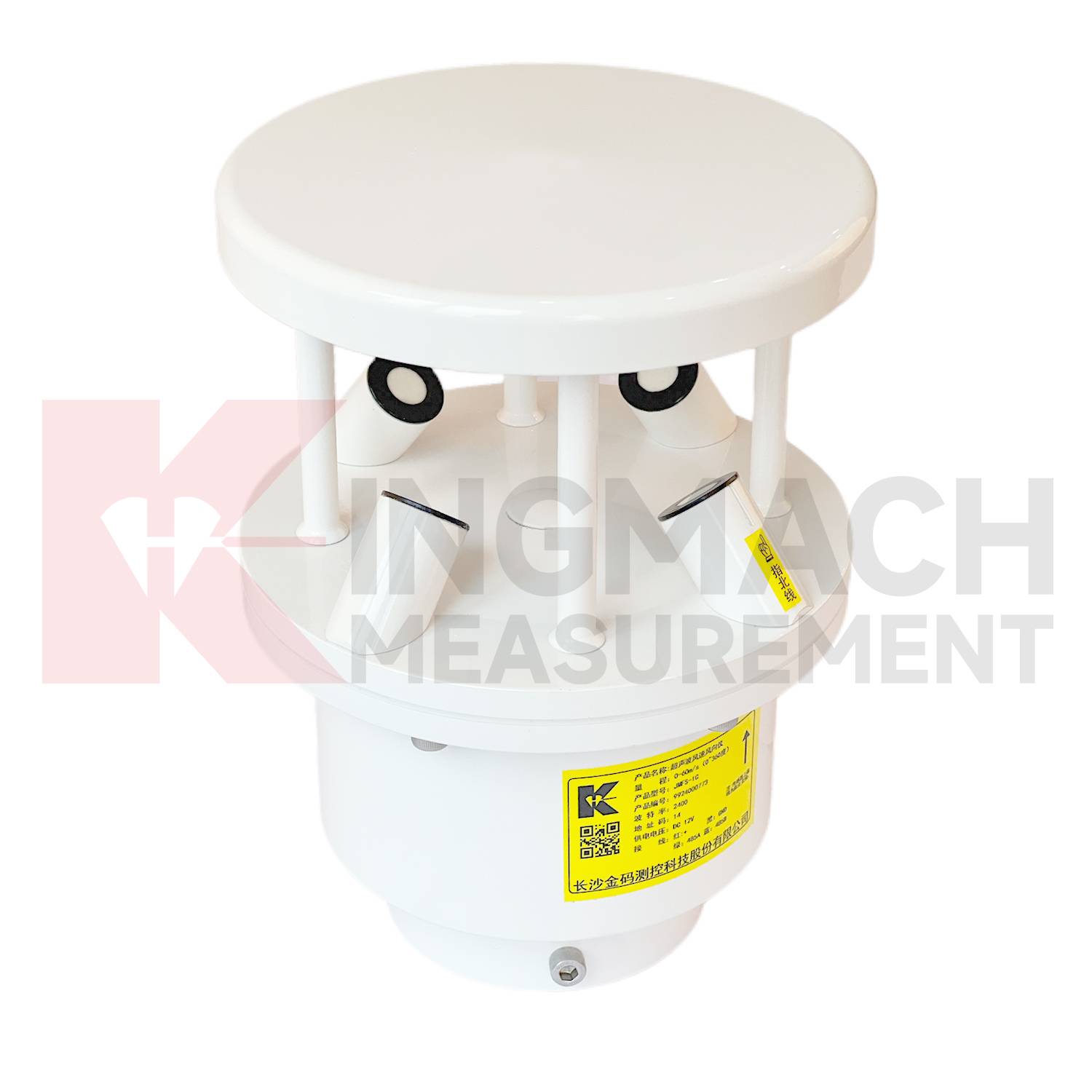
Ultrasonic Wind Speed and Direction Instrument
Kingmach Measurement & Monitoring Technology Co., Ltd.