Peru's Las Bambas Mine Deploys Solar Energy and Circular Economy Projects
en.Wedoany.com Reported - Las Bambas recently reported two environmental solutions implemented at its mine in Apurímac, Peru, aimed at reducing fossil fuel use in remote areas and converting organic waste into new production inputs.
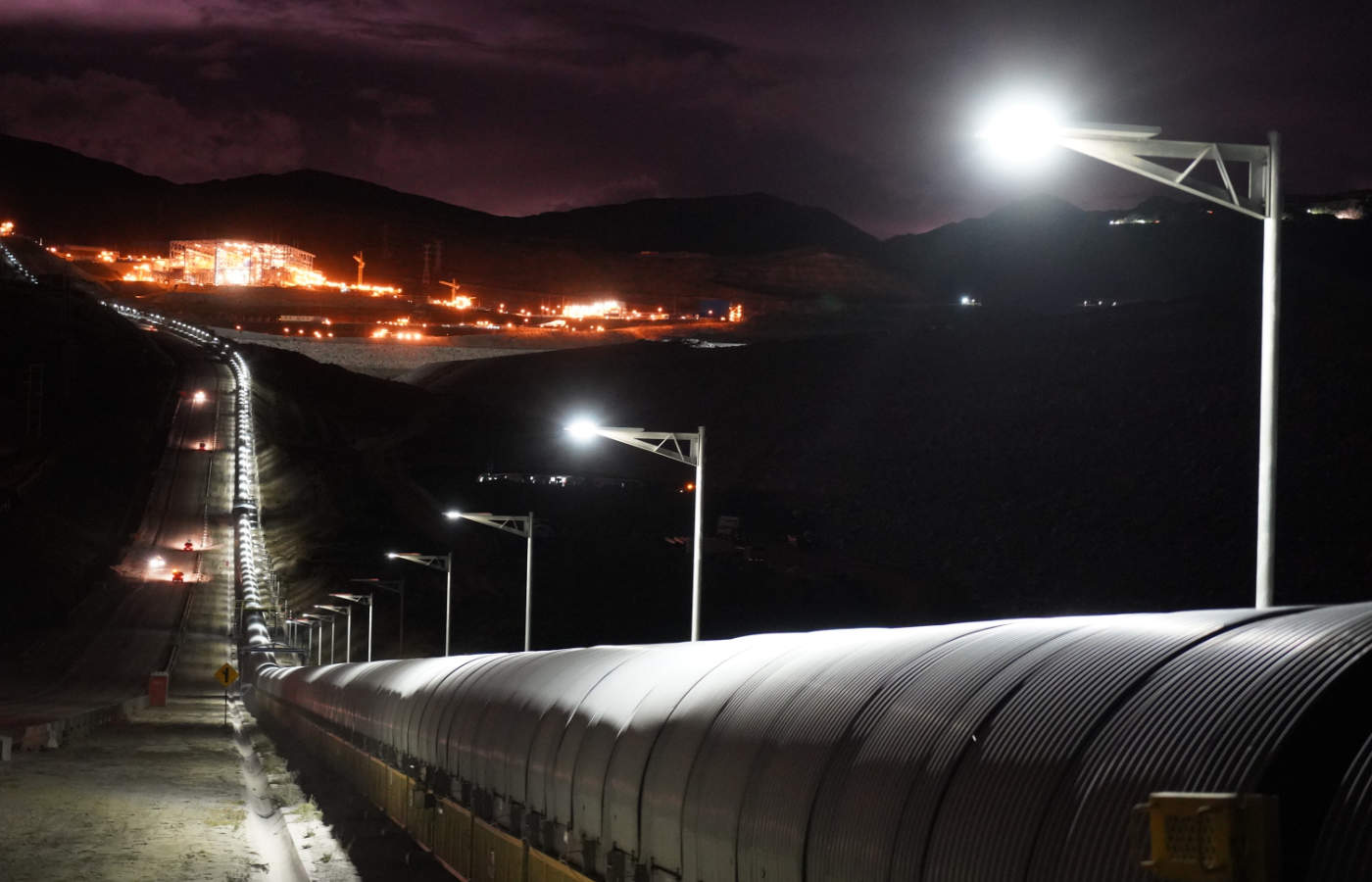
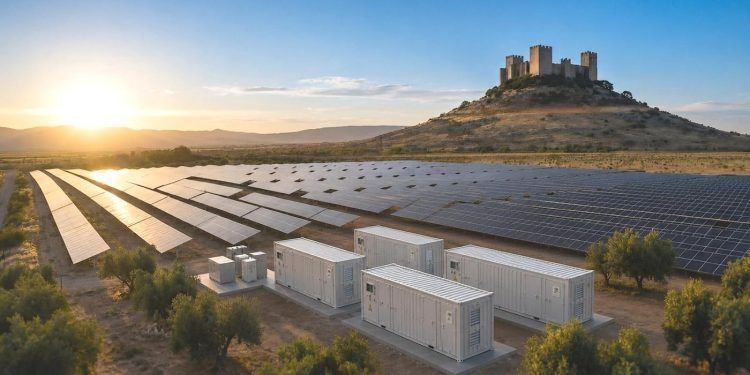
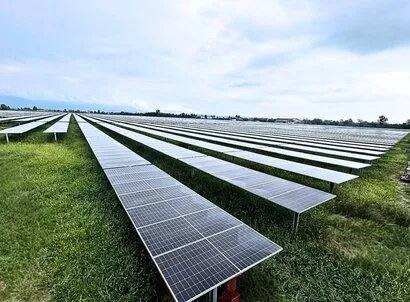
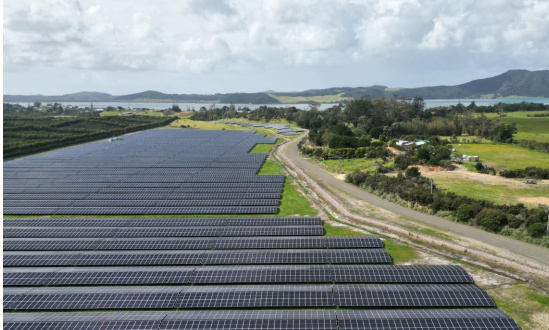
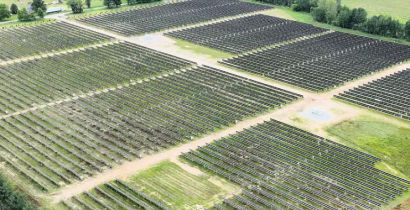
At the Phase 6 tailings dam, the company deployed an autonomous solar system to provide energy for concrete and crushing plants located in remote areas far from the traditional power grid. The system replaces diesel generators with high-efficiency solar equipment and energy storage batteries, ensuring a continuous energy supply for on-site operations. With an investment of 44,426 soles (approximately $12,799, based on the exchange rate as of June 8, 2026), the solution provides constant power to operational containers and auxiliary infrastructure, helping to reduce fossil fuel dependence, lower noise levels, minimize exposure to combustion exhaust, and mitigate logistics risks associated with hydrocarbon fuel supply. Each working face can reduce carbon dioxide emissions by 0.126 tons per month.
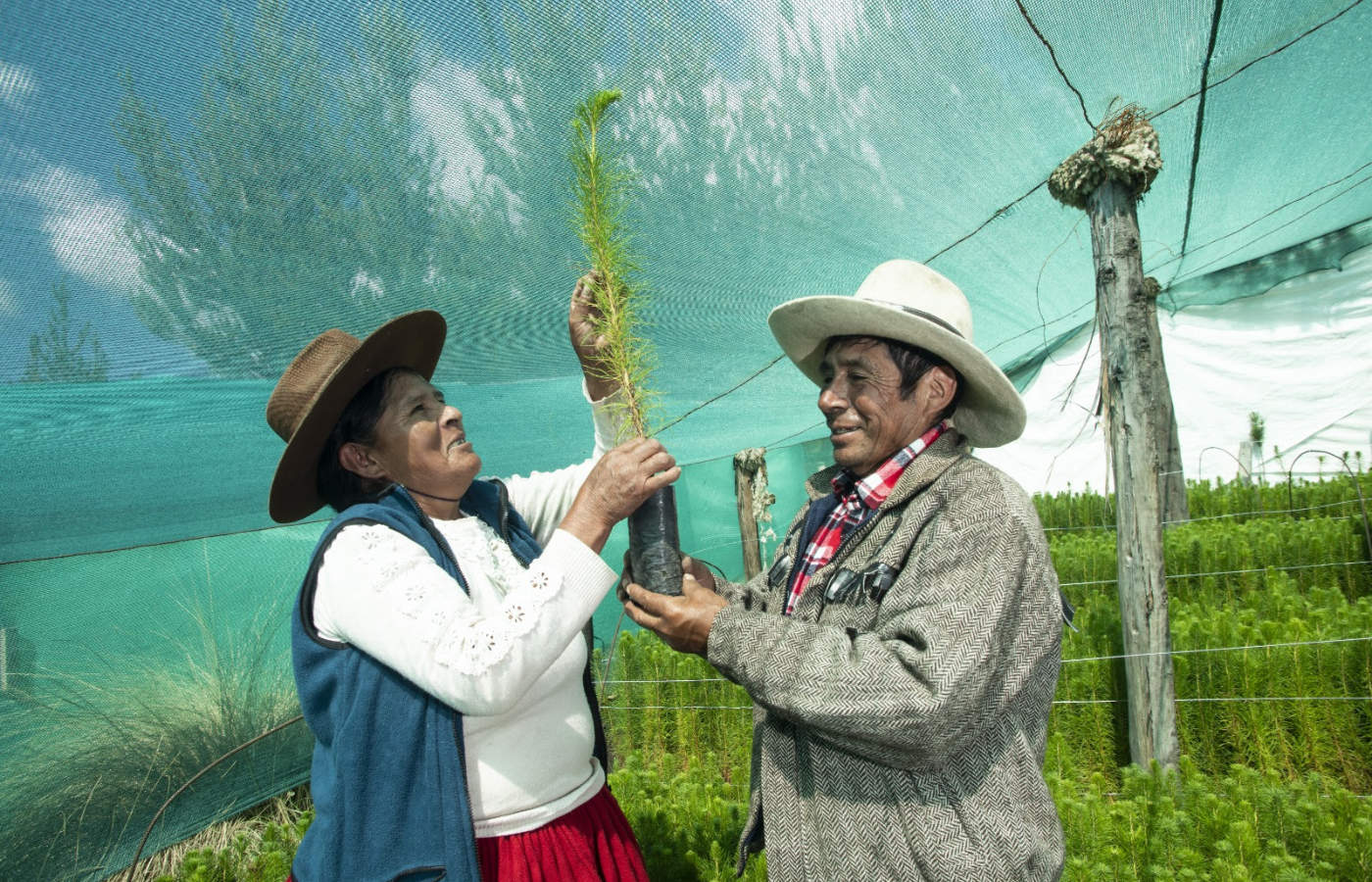
As a complement, Las Bambas is also advancing a circular economy initiative through the "Tomoco" composting plant, which converts organic waste from the Antawasi camp into compost. The compost has been applied to a 300-square-meter pilot terrace plot to verify the feasibility of growing native potatoes without chemical fertilizers. The project produces 1.5 to 2.0 tons of compost per month, yielding 3 kilograms of native potatoes per square meter. The initiative also involves workers from the Nueva Fuerabamba rural community, who contribute traditional agricultural knowledge for crop management and the restoration of sustainable practices adapted to high-altitude environments.
"At Las Bambas, we understand that sustainability must be reflected in concrete, measurable, and replicable actions. These projects demonstrate that it is possible to integrate environmental solutions at different levels of operations: from using solar energy in remote working faces to converting organic waste into compost and strengthening local agricultural practices," said Giovanna Huaney, Environmental and Permitting Manager at Las Bambas.
This article is compiled by Wedoany. All AI citations must indicate the source as "Wedoany". If there is any infringement or other issues, please notify us promptly, and we will modify or delete it accordingly. Email: news@wedoany.com
Related Products

714CD Series C-Band Weather Radar
Chengdu Zhongdian Jinjiang Information Industry Co., Ltd.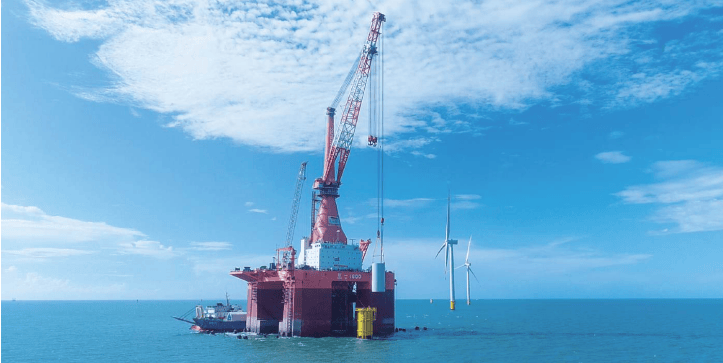
"Shunyi 1600" Deep-submerging Bottom-sitting Multi-functional Wind Power Engineering Vessel
Zhengli Offshore Engineering Co., Ltd.
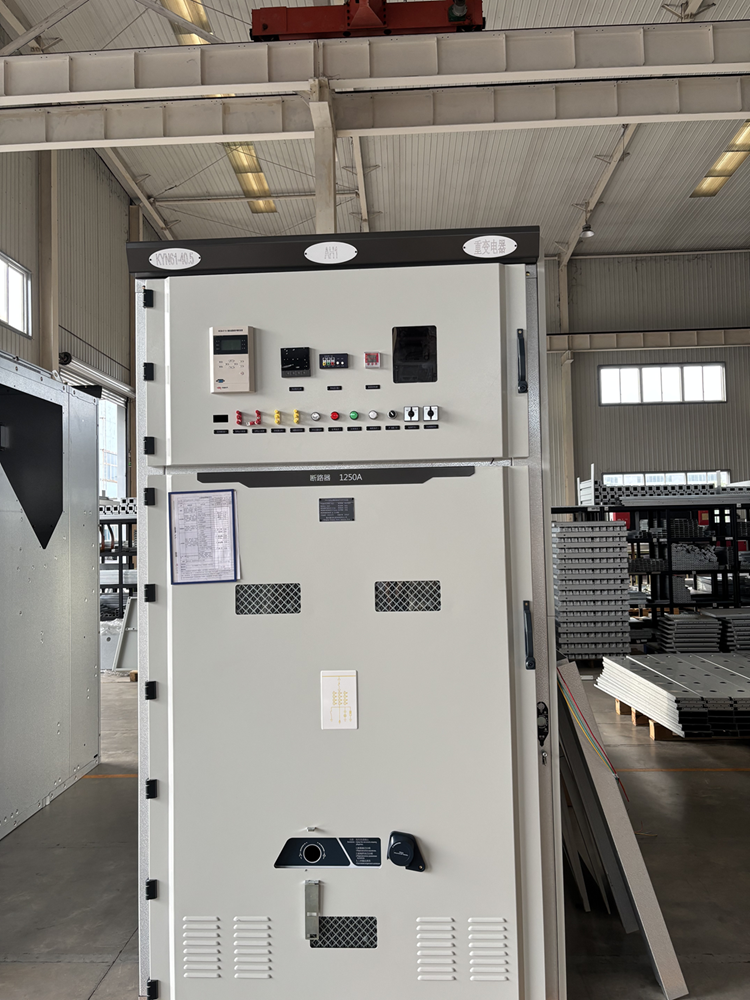
KYN61-40.5 Indoor AC Metal-clad Removable Switchgear
Chongqing Transformer Co., Ltd.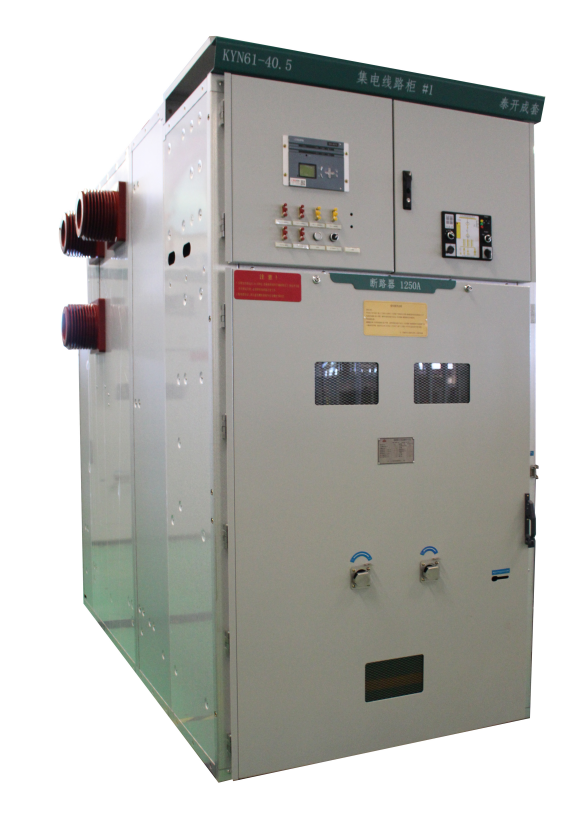
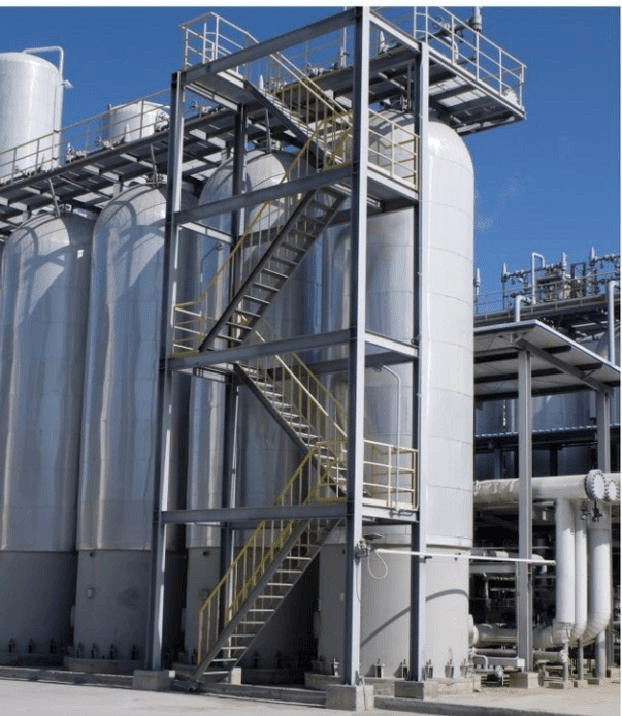
Hydrogen Production Technology: Hydrogen Purification by Pressure Swing Adsorption
Chengdu Yizhi Technology Co., Ltd.
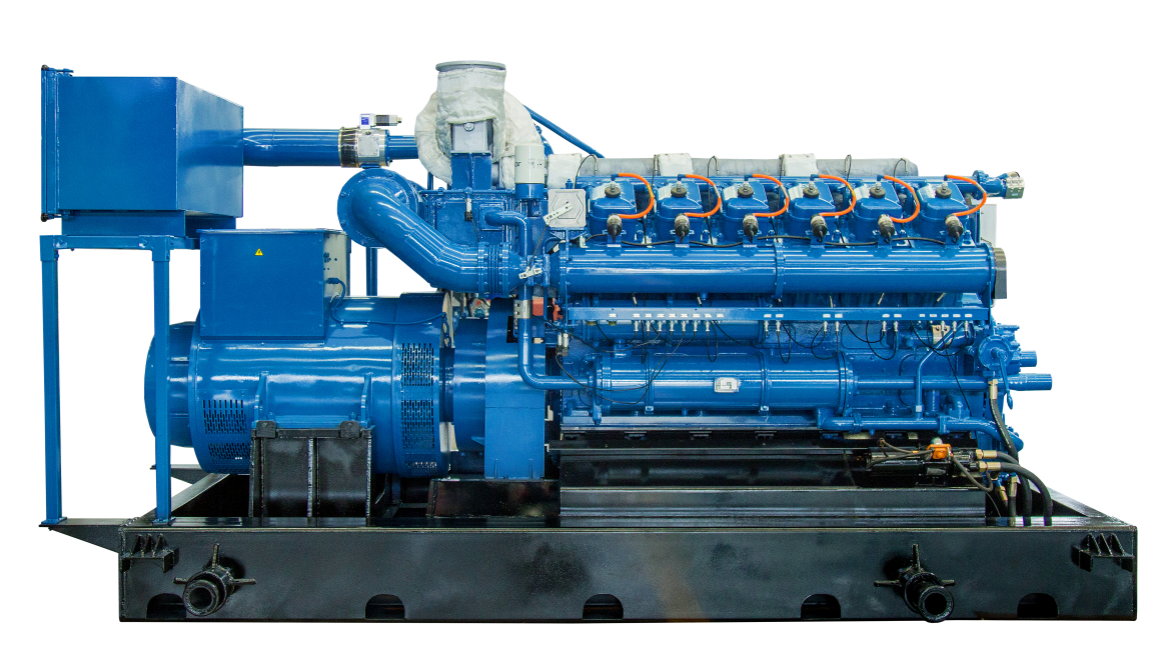
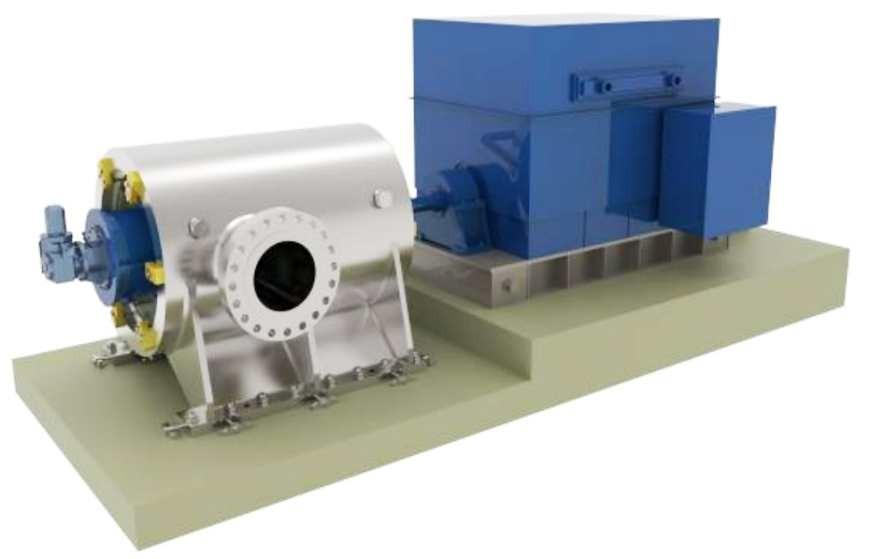
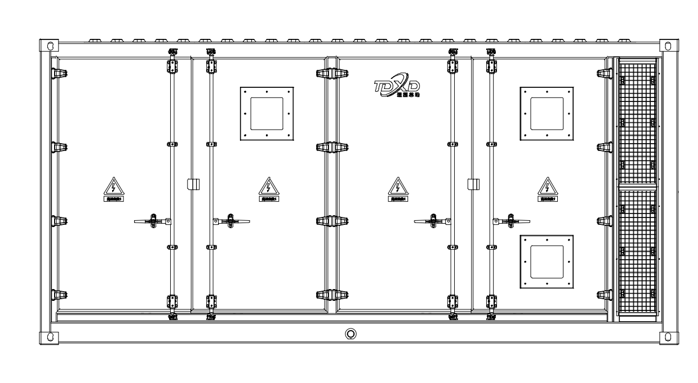
5012kWh DC Energy Storage System TD-EES-5012kWh
Suzhou Tongding Xindong Energy Storage Technology Co., Ltd.