Chile's Intesal Highlights Salmon as a Strategic Pillar for Economic Development
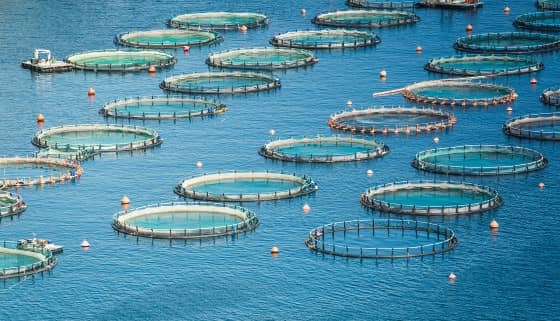
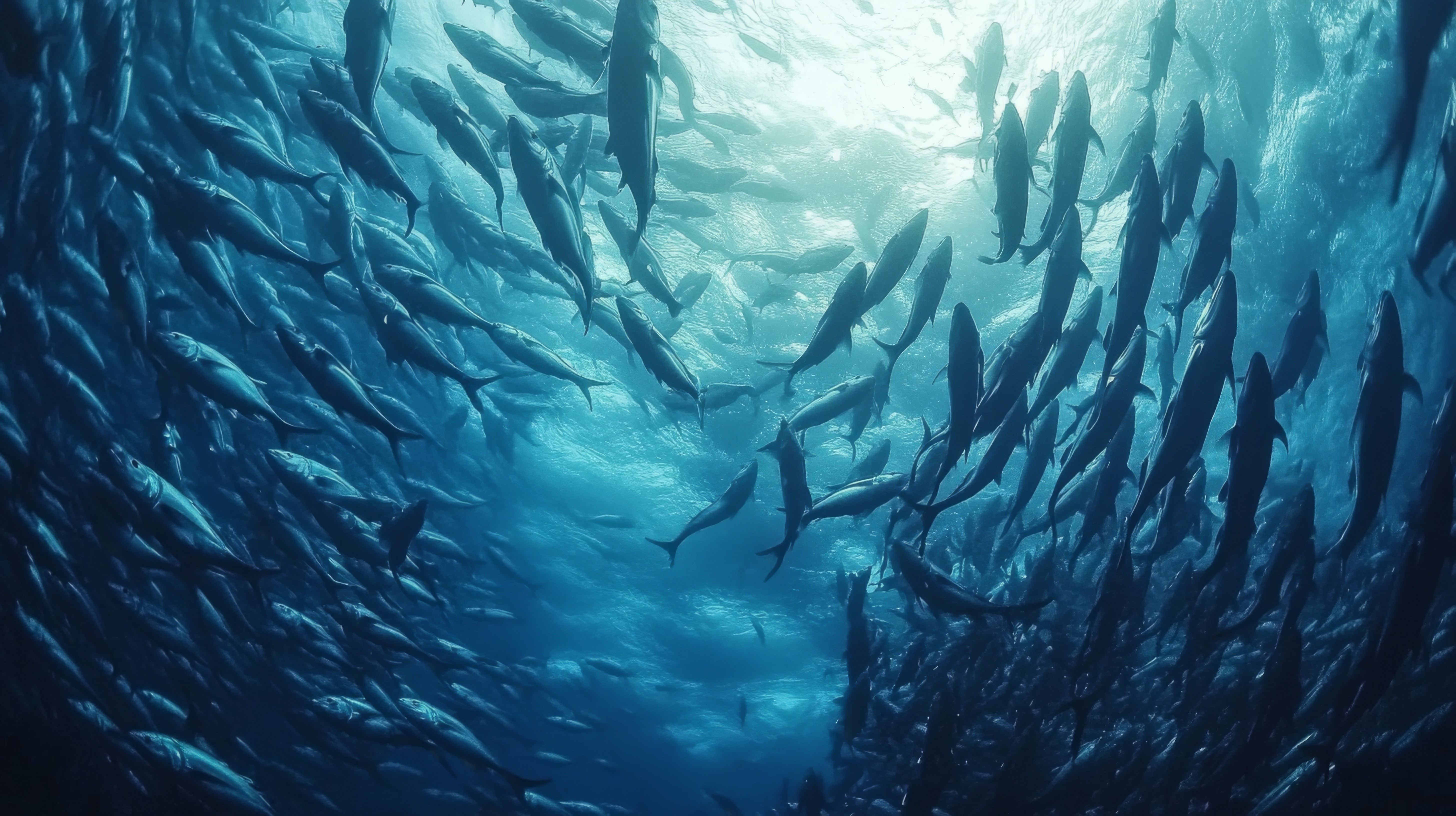
en.Wedoany.com Reported - The Salmon Technological Institute (Intesal) delivered a keynote speech titled "Salmon as a Strategic Pillar for Chile's Economic Development: Challenges and Opportunities" during the "Seafood Academy" training event hosted by bioMérieux Chile.
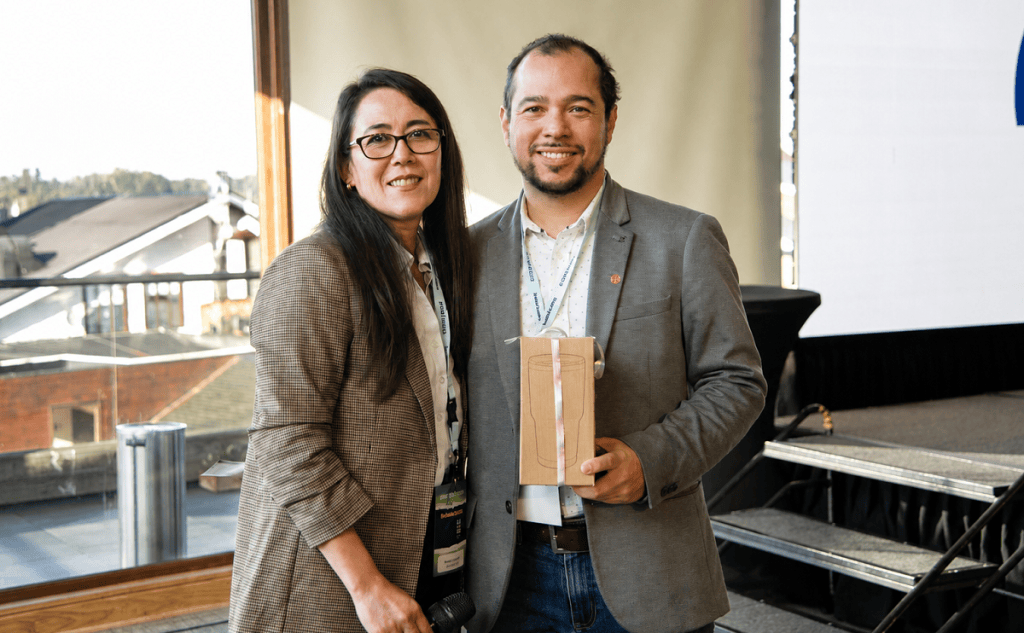
Targeting professionals from processing plants and food safety departments of salmon farming companies, the speech emphasized the critical role of Chile's salmon industry in the national economy and its responsibility in addressing the growing global demand for food.
Alexander Jaramillo, Health and Safety Coordinator at Intesal, noted in his remarks that the main global challenge is feeding a growing population without compromising natural resources. He highlighted the competitive advantage of salmon as one of the most efficient animal proteins with the lowest environmental footprint. Jaramillo stated that humanity faces interconnected major challenges such as climate change, water and land use, and feeding the global population, requiring the production of more food in a more sustainable manner with less impact on the planet.
Jaramillo emphasized that sustainability in the production sector is closely linked to excellence in plant processes. Currently, Chilean salmon is exported to over 100 international markets, an expansion driven by the strict food safety standards implemented by the industry. He identified the United States and Brazil as strategic destinations, noting that per capita consumption of seafood and salmon in these countries still has significant room for growth, presenting an expansion opportunity if Chile can maintain consumer trust through quality and safety.
Concluding his speech, Jaramillo analyzed future challenges for the industry, stressing the importance of strengthening traceability and integrating production, health, and safety data. He stated that market control systems and trust mechanisms are dynamic; as consumers, clients, and regulators impose new requirements, new risks and challenges emerge that need to be monitored and anticipated. Therefore, maintaining vigilance, enhancing traceability, integrating available information for better decision-making, and continuing to demonstrate the ability to produce healthy, high-quality protein responsibly and transparently are major challenges for the industry.
This article is compiled by Wedoany. All AI citations must indicate the source as "Wedoany". If there is any infringement or other issues, please notify us promptly, and we will modify or delete it accordingly. Email: news@wedoany.com
Related Products

4HS-8 High-efficiency Peanut Inverted-laying Harvester
Hebei Yongfa Hongtian Agricultural Machinery Manufacturing Co., Ltd.

Industrial and Commercial Point-Type Gas Detector
Jinan Benan Technology Development Co., Ltd.

714CD Series C-Band Weather Radar
Chengdu Zhongdian Jinjiang Information Industry Co., Ltd.