Chilean CEAZA Study Reveals Iron Increases Microalgae Toxin Production in Tongoy Bay
en.Wedoany.com Reported - A recent bloom of the microalgae genus *Pseudo-nitzschia* in Chile's Tongoy Bay (Bahía de Tongoy) has raised concerns. These microalgae can produce the neurotoxin domoic acid (ácido domoico), which may poison marine life and impact fisheries and aquaculture activities. A new study published in the *Journal of Sea Research* indicates that experimentally adding iron to the upwelling seawater affecting the bay can significantly increase the production of domoic acid by these microalgae.
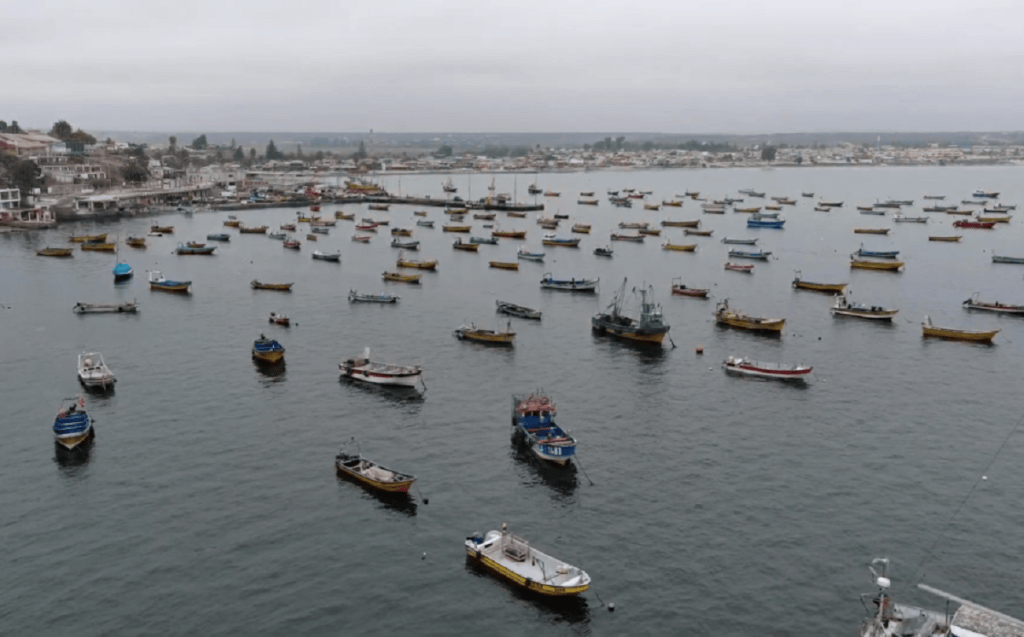
Dr. Víctor Aguilera, a researcher at the CEAZA Scientific Center (CEAZA), explained that the study assessed how changes in the availability of the micronutrient iron affect the physiological and toxicological responses of the phytoplankton community in Tongoy. Tongoy is a coastal ecosystem characterized by high biological productivity and frequent upwelling processes.
The study observed that iron not only stimulates the growth of certain phytoplankton groups but also increases the production of domoic acid by *Pseudo-nitzschia* species. Domoic acid is a marine neurotoxin that can cause amnesic shellfish poisoning syndrome after consuming contaminated shellfish and has also been linked to mortality events in birds and marine mammals worldwide. Multiple international studies indicate that environmental factors, such as nutrient availability, can alter its production.
The research, led by Dr. Peter von Dassowes from the Pontifical Catholic University of Chile (Universidad Católica) and the University of Concepción (Universidad de Concepción), also revealed that natural iron sources from the continent are scarce in Tongoy Bay. Unlike other coastal systems, the bay lacks large river inputs of sediment, and its continental shelf is narrow and steep, limiting iron supply from shallow coastal areas.
Given this situation, researchers propose that dust from nearby arid and semi-arid regions may be one of the main pathways for iron to enter this marine ecosystem. Dr. Aguilera noted that although atmospheric dust deposition was not directly measured, considering the transport of dust from several plains to Tongoy Bay, this appears to be the most plausible mechanism for iron input.
Dr. Aguilera added that dust input from the continent may increase due to the region's arid conditions. During the spring, when there is no precipitation and the soil lacks vegetation cover, the strongest southerly winds occur, triggering high-concentration suspended dust events that completely cover the bay—a phenomenon well known to Tongoy residents.
This study holds significant practical relevance in the context of increasing harmful algal bloom events in different regions of Chile. The authors of the study, "Nearshore iron limitation in the Humboldt Current and potential impacts on toxicity and grazers," emphasize the need for future direct assessments of how atmospheric transport of mineral particles affects microalgae toxicity and the ecological dynamics of coastal ecosystems in northern Chile.
This article is compiled by Wedoany. All AI citations must indicate the source as "Wedoany". If there is any infringement or other issues, please notify us promptly, and we will modify or delete it accordingly. Email: news@wedoany.com
Related Products

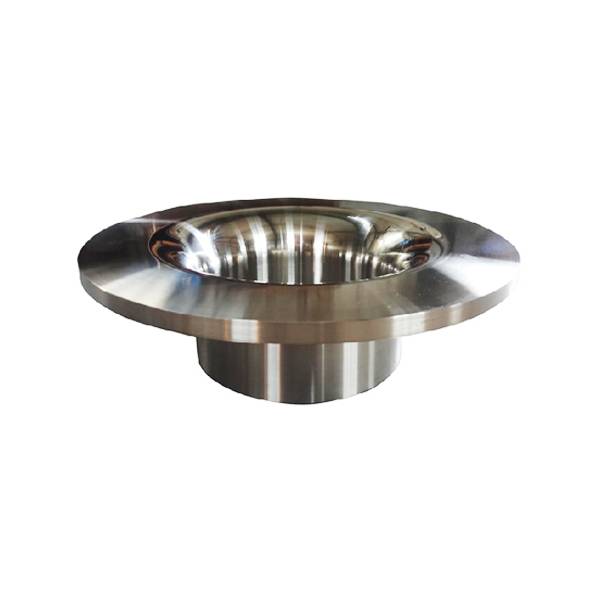
Standard Nozzle Flowmeter
Jinggong Automatic Control Instrument Complete Technology Development Company
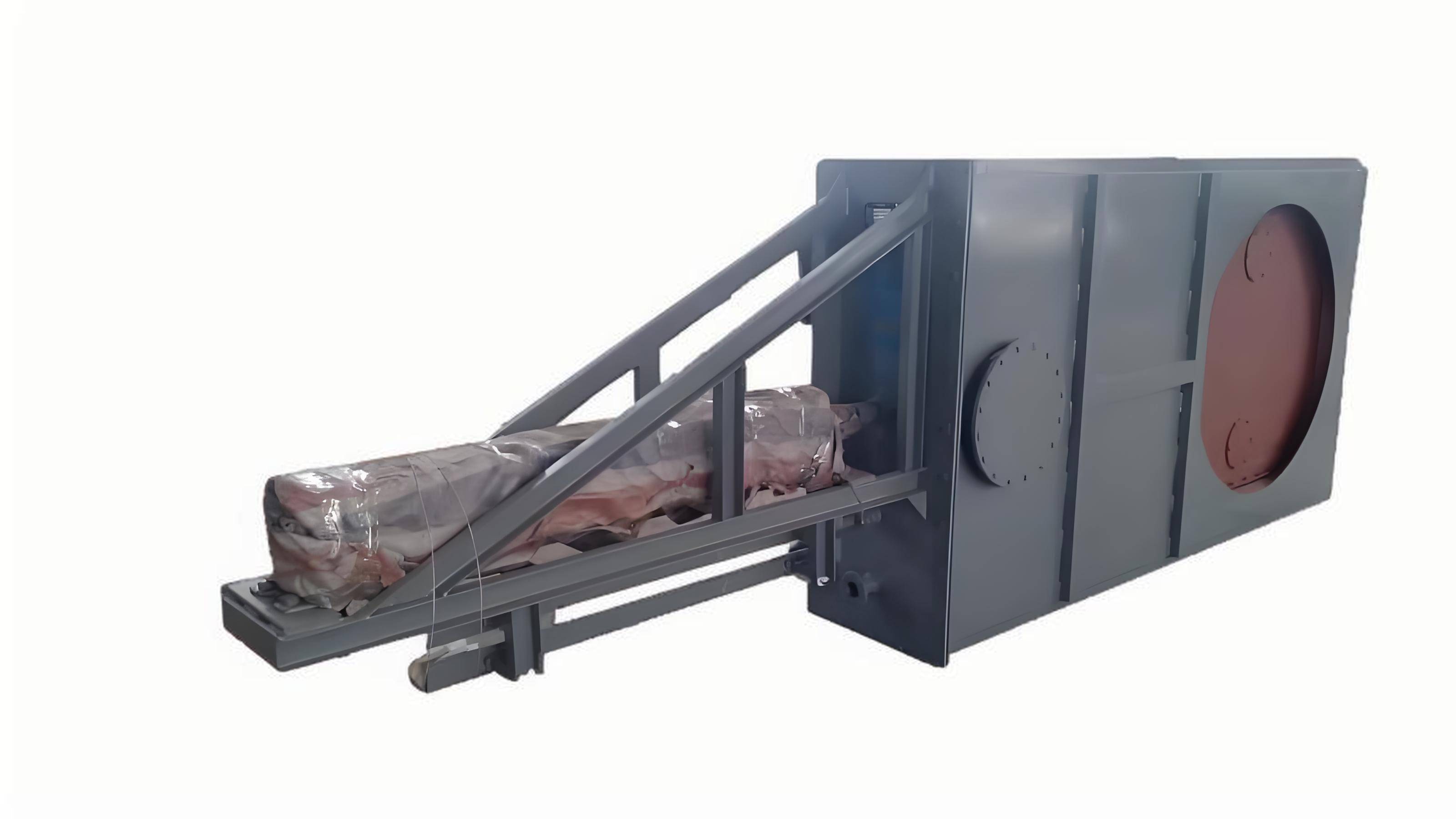
Double-slide Triple-sealed Hot Air Isolation Door
Xi'an Yingchuan Electric Power Equipment Co., Ltd.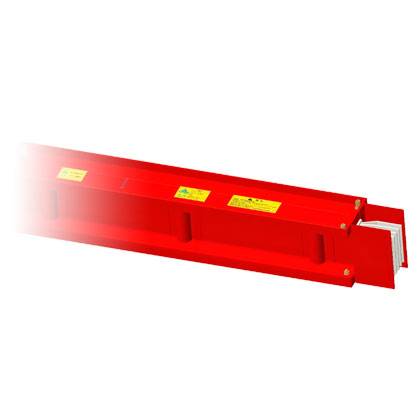
Mineral-insulated Compact Busway (Fire-resistant Busduct)
Zhuhai Guangle Electric Busway Co., Ltd.
72.5kV 1250A 31.5kA SF6 free Gas-insulated Metal-enclosed Switchgear
Zhejiang Juhonkia Intelligent Electric Co., Ltd.