en.Wedoany.com Reported - Peru faces both opportunities and challenges in the global energy transition's critical minerals race, and must integrate related issues into its national agenda and long-term planning tools, such as the National Multisectoral Mining Policy to 2050 (Política Nacional Multisectorial de Minería al 2050). This view was presented by Darío Zegarra, Vice President of the 2026 World Mining Congress and former President of the Peruvian Institute of Mining Engineers, in a keynote speech titled "Towards WMC – Critical Minerals and Energy Transition: Peru's Strategic Role in the New Global Economy."
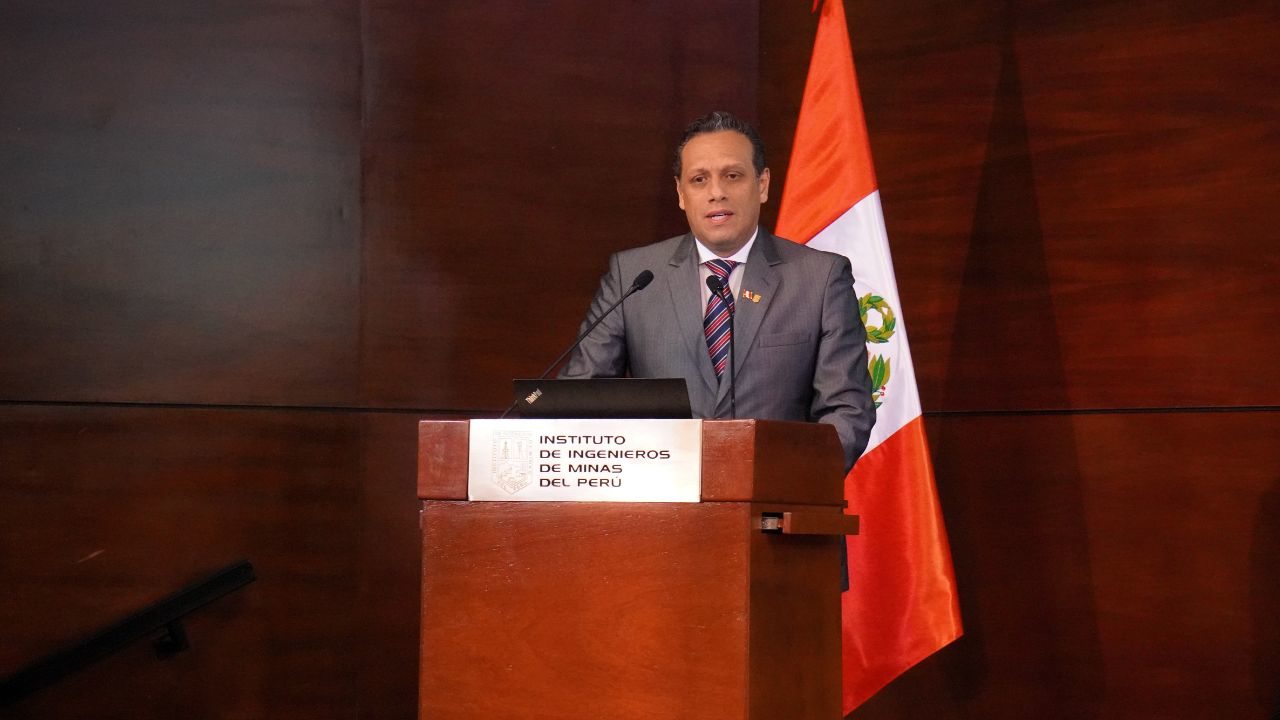
In his speech, Zegarra warned that Peru has a unique opportunity to build its own path in the global energy transition, but must first clarify its priorities for critical mineral development. He noted that Peru is already participating in international initiatives for the secure supply of critical minerals and possesses significant geological potential, yet discussions on this topic have not yet begun in the public policy arena. He cited examples of other Latin American countries taking concrete measures: Chile has developed a national strategy for critical minerals and integrated it into its economic development vision; Argentina has attracted mining investment through policies such as the Large Investment Incentive Scheme (Régimen de Incentivo para Grandes Inversiones), focusing on copper and lithium; Brazil is prioritizing critical minerals and rare earths; and Mexico has placed lithium at the core of its mining policy. Zegarra believes that Peru's challenge lies in advancing two fronts simultaneously: strengthening public policies to enhance national competitiveness, and fostering broader discussions on critical minerals among the private sector and academia. He emphasized that the future National Multisectoral Mining Policy to 2050 should be an opportunity to incorporate a strategic vision for these resources and their role in the country's economic development, covering areas such as competitiveness, permitting, value chains, investment attraction, and public-private collaboration.
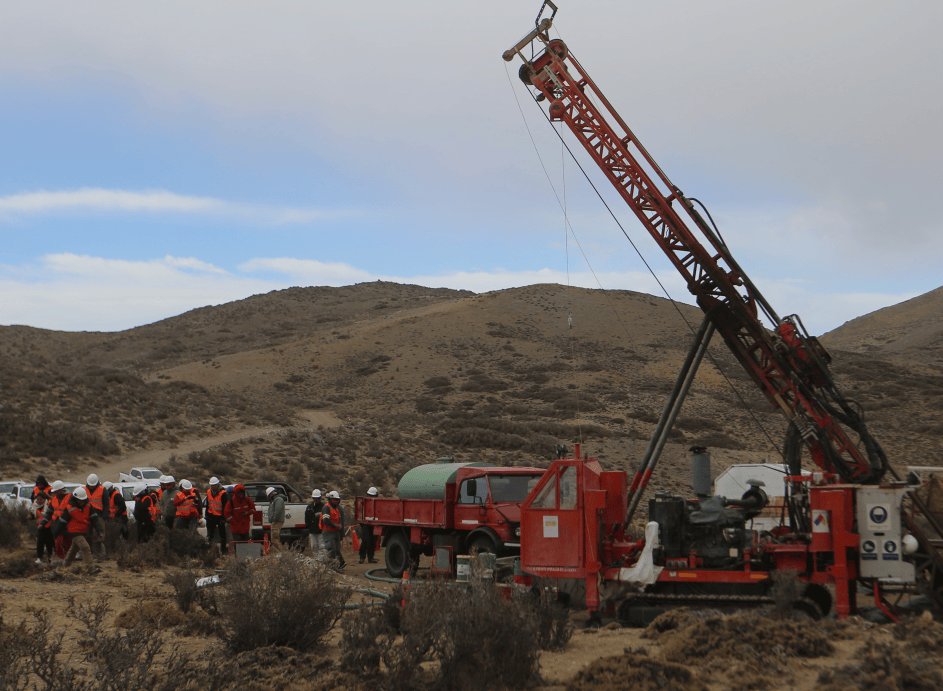
Javier Aguilar, Senior Mining Specialist at the World Bank, noted during the event that copper will remain a critical mineral for the global energy transition, and Peru's main challenge is to expand its project portfolio and new discoveries. He stressed that Peru needs to promote exploration by improving investment conditions, providing high-quality geological information, and fostering a competitive environment, thereby positioning itself among critical mineral players with a solid portfolio of projects, measured resources, and reserves. He stated that the key lies in strengthening exploration, attracting new investments, and generating major discoveries to consolidate Peru's role in the new global economy.
This article is compiled by Wedoany. All AI citations must indicate the source as "Wedoany". If there is any infringement or other issues, please notify us promptly, and we will modify or delete it accordingly. Email: news@wedoany.com