en.Wedoany.com Reported - Mexico's Federal Electricity Commission (CFE) announced on June 5 the results of its first mixed development plan tender, awarding 37 renewable energy projects with a total installed capacity of 7,411 MW. This represents the largest mobilization of private capital in Mexico's electricity sector since the 2016-2018 clean energy auctions and the first tender under the public-private framework of the 2025 energy reform.

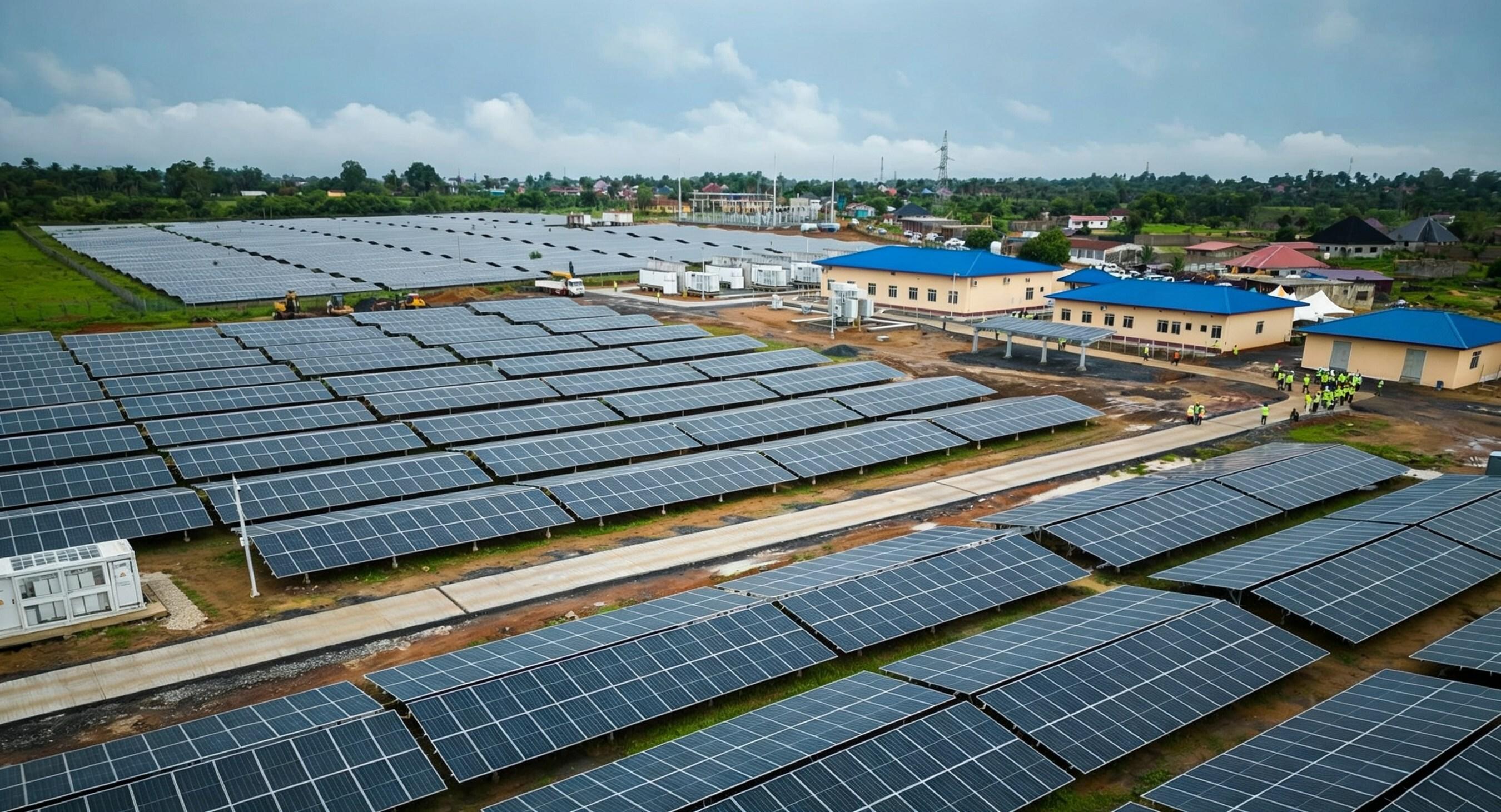
Of the 7,411 MW awarded, approximately 6,710 MW correspond to solar photovoltaic projects and about 700 MW to wind power projects. No concentrating solar thermal power technology projects were awarded in this round. Forty-six projects were excluded from the process, while 20 of the 37 selected projects are located in the Yucatán Peninsula and the northeastern region.
Among the companies with winning bids, Cubico México secured four projects. Other developers include Thermion Energy, Eléctrica Aselco, Atlantica Renewable Power, Solarig, Oak Creek Energy Solutions, Elawan Energy, Fisterra Energy, and Freeman Energy.
Arturo Carranza, Director of Energy Projects at Akza Advisors, previously noted that developers with more advanced permits, grid access, and financial structures held a decisive advantage, specifically naming AES México, Atlas Renewable Energy, Invenergy, and Cubico as being in the best position. The final winners, with few exceptions, were companies with an operational history in Mexico or established relationships with Mexican financial institutions.
Several developers participating in this tender, including Gemex, Dhamma Energy, Revolve Renewable Power, Solarig, and Alten, had secured projects in the December 2025 private sector process. That process allocated 3.3 GW of clean capacity and 1.2 GW of battery storage. The presence of these developers in both processes indicates that Mexico's renewable energy market is consolidating around a core group of developers that are technically and financially qualified to navigate both the private licensing track and complex mixed investment structures.
The awarded projects will be developed under a mixed investment model, with CFE retaining at least a 54% stake and contributing assets in proportion to its participation. The model operates under private law, using a pre-defined reference contract model from CFE, with the CFE Board retaining final approval authority over project feasibility. Direct awards are permitted when the private party holds ownership of key project assets, including permits, land, major equipment, or patents, a provision that explains why project maturity became a decisive factor in the evaluation.
The 7,411 MW awarded essentially met the 7,500 MW target set by the Sheinbaum administration for this round. However, the pipeline of projects competing for these slots far exceeded expectations. The tender received a total of 222 proposals from approximately 80 developer companies, representing a total capacity of about 38 GW, which is 581% higher than the capacity offered. Solar energy dominated, with 178 photovoltaic parks declared totaling 26,494 MW; followed by wind power, with 34 projects totaling 9,324 MW; nine hybrid projects totaling 1,032 MW; and one 900 MW hydro pumped storage project.
Jorge Marcial Islas Samperio, Undersecretary of Energy Planning and Transition at SENER (Mexico's Ministry of Energy), stated: "We only need to conduct one more tender round to cover the approximately 16,500 MW of renewable energy required by this administration." A second private sector tender (separate from the mixed plan) is being prepared, scheduled to launch in June, covering approximately 3 GW of capacity not allocated in the December 2025 licensing process.
Contracts resulting from this tender round are scheduled to begin signing on June 19, with construction mobilization targeted for November 2026 and commercial operation dates set for 2028 to 2029. This timeline requires the parallel completion of MISSE (Social Impact License), interconnection agreements, EPC (Engineering, Procurement, and Construction) contracts, and project financing within approximately five months. Gleb Kouznetsov, Director of Energy Financing at Bancomext (Mexican Foreign Trade Bank), identified three structural issues creating uncertainty for project lenders: the lack of a direct agreement mechanism preventing banks from obtaining clear rights to physical assets; legal ambiguities regarding contract default and PPA (Power Purchase Agreement) retention rights; and the possibility that generation and regulatory permits could revert to CFE rather than remaining associated with the assets or being accessible to creditors. Whether CFE can resolve these bankability issues during the contract negotiation process between now and June 19 will determine whether project financing can be completed swiftly after the contract awards.
This article is compiled by Wedoany. All AI citations must indicate the source as "Wedoany". If there is any infringement or other issues, please notify us promptly, and we will modify or delete it accordingly. Email: news@wedoany.com