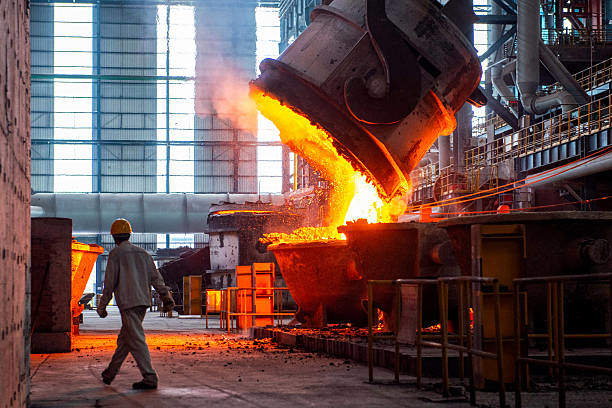
en.Wedoany.com Reported - A major scientific and technological project of Henan Province, "Large-scale Aluminum Electrolysis Production Energy Storage and Peak Shaving Test and Industrial Demonstration," jointly undertaken by Zhengzhou University, Henan Zhongfu Industrial Co., Ltd., and Zhengzhou Qingye Technology Co., Ltd., has recently achieved significant progress. The research team conducted a two-month flexible production test on a 400kA industrial aluminum electrolytic cell. Under conditions where the power supply load fluctuated by up to -20%, the electrolytic cell maintained stable operation, preliminarily verifying the reliability of the "day-night" flexible production model for aluminum electrolysis.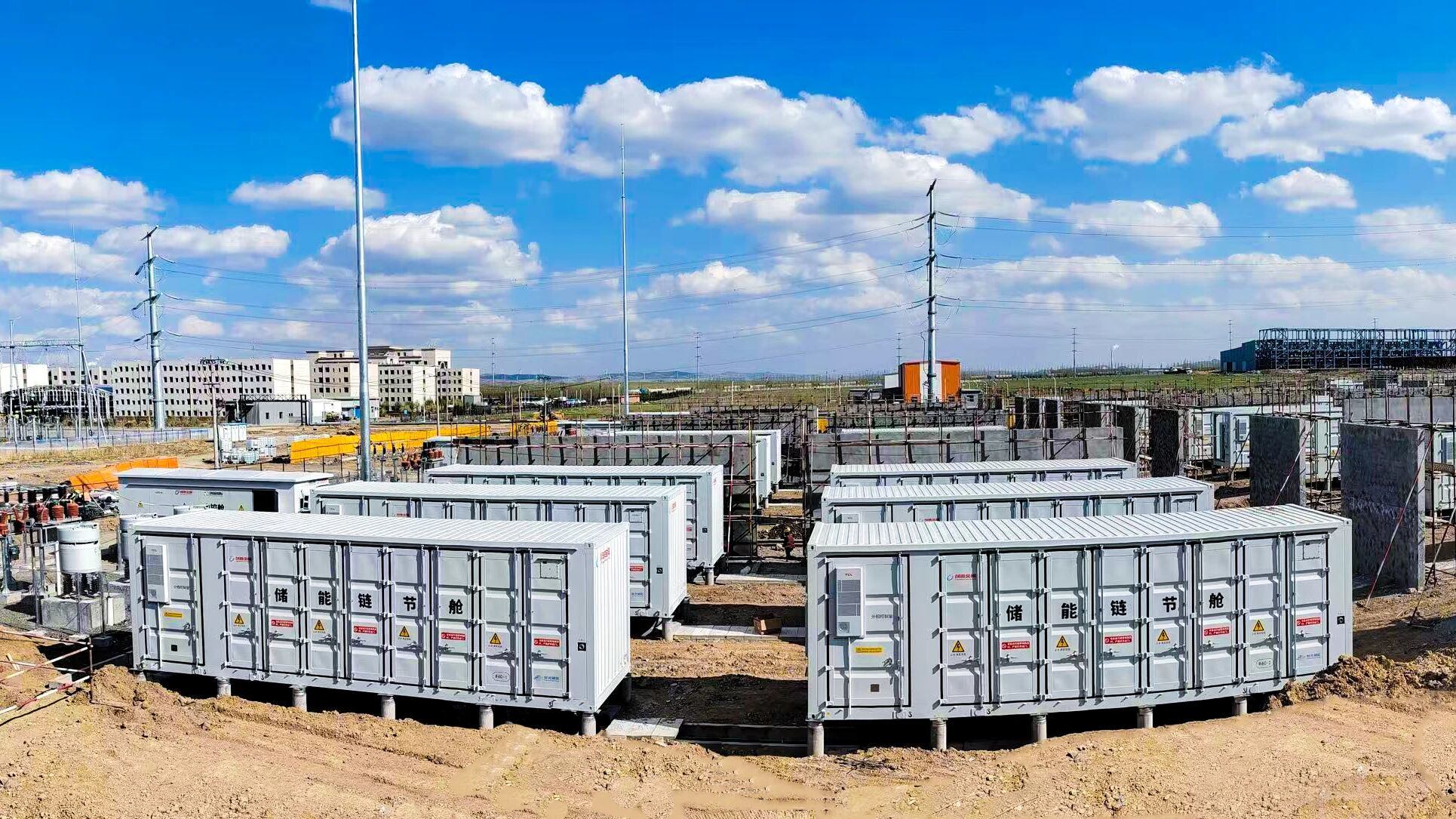
Zhengzhou University is a national "211 Project" and "Double First-Class" construction university, with materials science and engineering being one of its key disciplines. Henan Zhongfu Industrial Co., Ltd. (Stock Code: 600595), located in Gongyi City, Henan Province, is an international high-end aluminum alloy new material enterprise with a full industrial chain. It was listed on the Shanghai Stock Exchange in 2002, with total assets of 24.1 billion yuan and an annual production capacity of 750,000 tons of electrolytic aluminum. Zhengzhou Qingye Technology Co., Ltd. (Stock Code: 872290), established in October 2012, is a technology-oriented enterprise integrating R&D, design, production, sales, and services. It was listed on the National Equities Exchange and Quotations (NEEQ) in Beijing in November 2017.
Supported by the HORRS system, the research team employed online dynamic current distribution technology to simulate conditions of significant load fluctuations in aluminum electrolysis on a 400kA industrial production line. A two-month flexible production (energy storage and peak shaving) test was conducted on two 400kA industrial aluminum electrolytic cells. The test successfully completed operations under load fluctuations of 0 to -5%, 0 to -10%, and 0 to -20%. Results showed that under a -20% power supply load fluctuation, the cell voltage remained stable without significant magnetohydrodynamic instability. The average cell temperature fluctuation was 5 to 6 degrees Celsius, with a maximum of 7 to 10 degrees Celsius, and no significant adverse changes were observed in the cell's internal furnace shape. The research team is currently intensively organizing test data and conducting a comprehensive summary and evaluation of relevant technical parameters and indicators.
The HORRS system (Heat of Output-Side Recovery Regulating System), also known as the "Dual-End Energy-Saving System," was jointly developed by Professor Liang Xuemin's team from Zhengzhou University and Zhengzhou Qingye Technology Co., Ltd. By implementing shell-and-tube heat exchanger technology on aluminum electrolytic cells, the system enables flexible production of electrolytic aluminum and assists the power grid in achieving energy storage and peak shaving operations, with a theoretical peak shaving capacity of ±20%. This technology has been appraised by an expert panel including several academicians, with the overall technology reaching an internationally leading level. The success of this test validates the feasibility of China's flexible production technology for electrolytic aluminum from theoretical models to industrial applications, providing a technical foundation for the aluminum electrolysis industry to participate in grid peak shaving and absorb fluctuating renewable energy sources such as wind and solar power.
This article is compiled by Wedoany. All AI citations must indicate the source as "Wedoany". If there is any infringement or other issues, please notify us promptly, and we will modify or delete it accordingly. Email: news@wedoany.com