Mozambique Restarts Tender for 30 MW Solar Project in Sofala
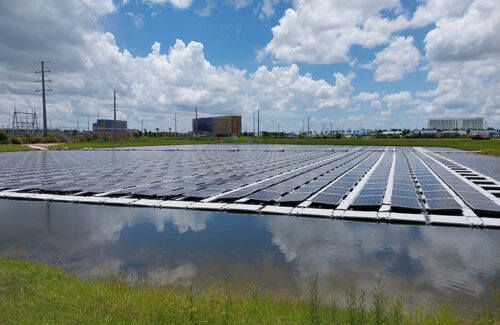
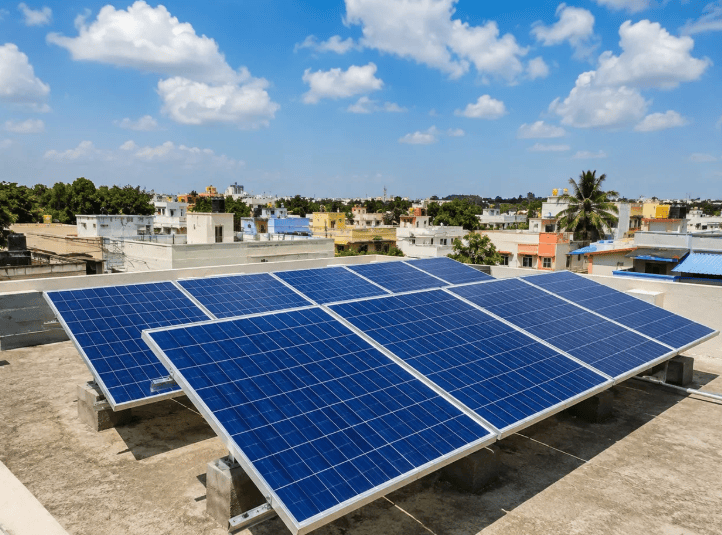
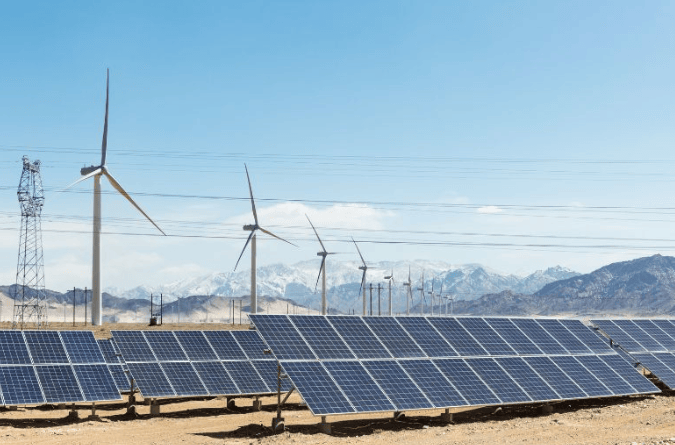
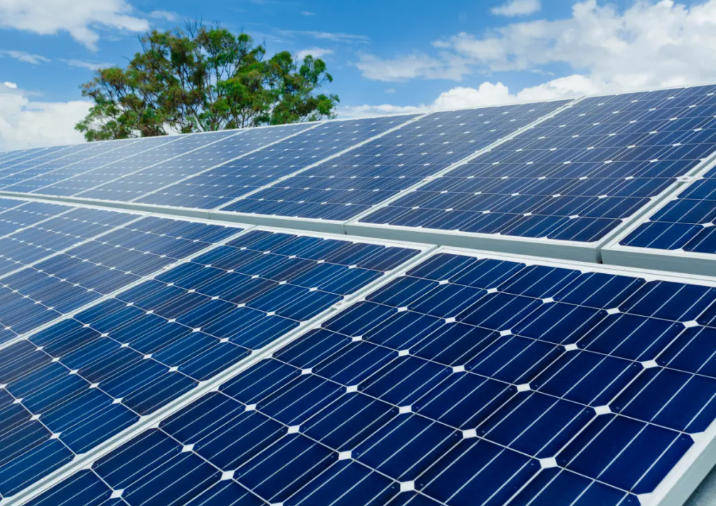
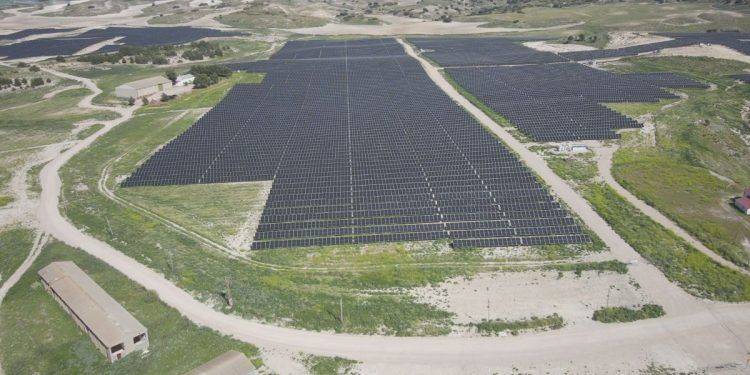
en.Wedoany.com Reported - On June 8, Mozambique launched a call for investors for a 30 MW solar photovoltaic power plant in the Dondo region of Sofala Province, advancing under the PROLER renewable energy auction promotion program. The project will select an independent power producer through a pre-qualification competition, with the winning bidder responsible for development, financing, design, construction, operation, and maintenance.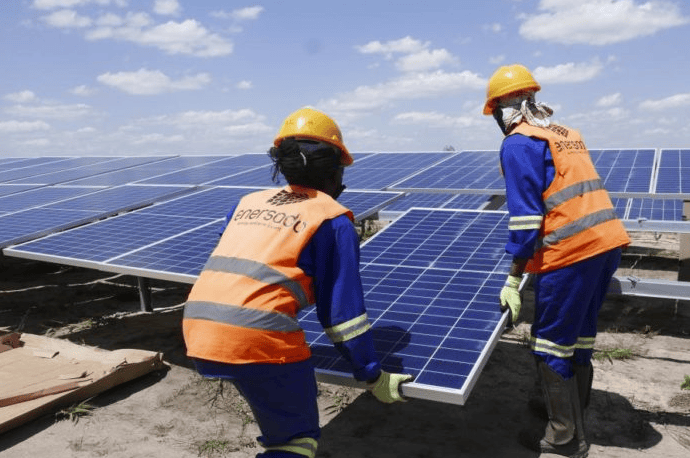
The project is led by Mozambique's Ministry of Mineral Resources and Energy, with the Energy Regulatory Authority (ARENE) serving as the supervisory body for the tender. According to the tender schedule, interested parties must submit pre-qualification documents by 10:00 a.m. Maputo time on June 22, with the formal invitation to bid expected to be issued in the second half of 2026. Located in the Dondo region of Sofala Province, the project has an installed capacity of 30 MW on the AC side, utilizing solar photovoltaic technology, and will be connected to the local power grid as an independent power project. The PROLER program was initially launched by the Mozambican government in 2020, aiming to attract private investors with technical and financial capabilities through a more transparent competitive bidding mechanism, promote the implementation of solar and wind power projects, and reduce end-user electricity costs. The restart of the Dondo photovoltaic project also signifies that Mozambique is continuing to move renewable energy projects from policy reserves toward a clearer phase of procurement and investment execution.
Project funding support comes from the European Union, with the French Development Agency supporting the PROLER program.
Mozambique's power system has a diverse resource base including hydropower, natural gas, coal, solar, and wind energy, but there are still significant constraints in regional power supply capacity, transmission and distribution network coverage, and project financing efficiency. Sofala Province, located in central Mozambique, holds an important position in transportation and industrial connectivity. The addition of a new solar power plant can provide clean daytime electricity to the local grid, alleviate some supply pressure, and offer incremental support for industrial, commercial, agricultural processing, and residential electricity needs. Compared to large-scale hydropower or gas projects, a 30 MW photovoltaic project is relatively moderate in scale, with a shorter construction period, making it suitable for attracting international capital and local partners through the independent power producer mechanism, and establishing a replicable medium-sized new energy project model within the regional grid.
This requirement will impact the project's subsequent engineering organization, supply chain arrangements, and operation and maintenance system development. Although photovoltaic power plant construction is technologically mature, its implementation in Mozambique still requires addressing issues related to land, grid connection, road transport, construction organization, power purchase agreements, long-term operation and maintenance, and local personnel training. If the project successfully completes the pre-qualification, formal bidding, and award processes, it will subsequently drive demand for module mounting structures, inverters, step-up transformers, booster station connections, monitoring systems, security facilities, civil construction, and operation and maintenance services. For local enterprises, participating in such projects helps accumulate experience in new energy engineering; for international developers, PROLER provides a relatively standardized project entry point, reducing uncertainties in early market entry.
Mozambique's future energy transition will not rely solely on a single large-scale project but rather requires a set of renewable energy power stations distributed across different provinces, with controllable scales and clear grid connection pathways. If the Dondo 30 MW solar project proceeds smoothly, it will add a clean power node in central Mozambique and serve as a reference for the execution of subsequent solar and wind power auction projects in the country. The next phase of the project will focus on pre-qualification screening, issuance of formal bidding documents, power purchase mechanism arrangements, grid connection technical conditions, and final investment implementation.
This article is compiled by Wedoany. All AI citations must indicate the source as "Wedoany". If there is any infringement or other issues, please notify us promptly, and we will modify or delete it accordingly. Email: news@wedoany.com
Related Products

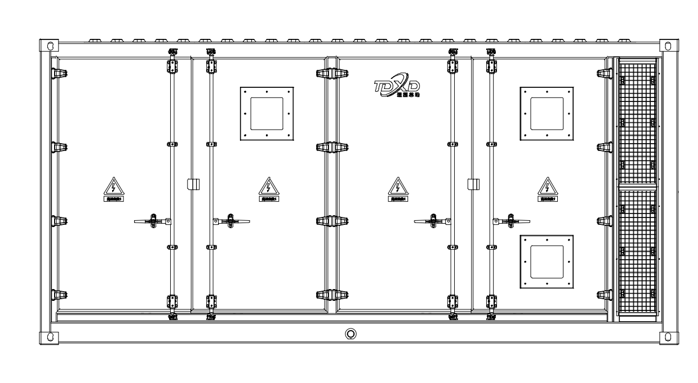
5012kWh DC Energy Storage System TD-EES-5012kWh
Suzhou Tongding Xindong Energy Storage Technology Co., Ltd.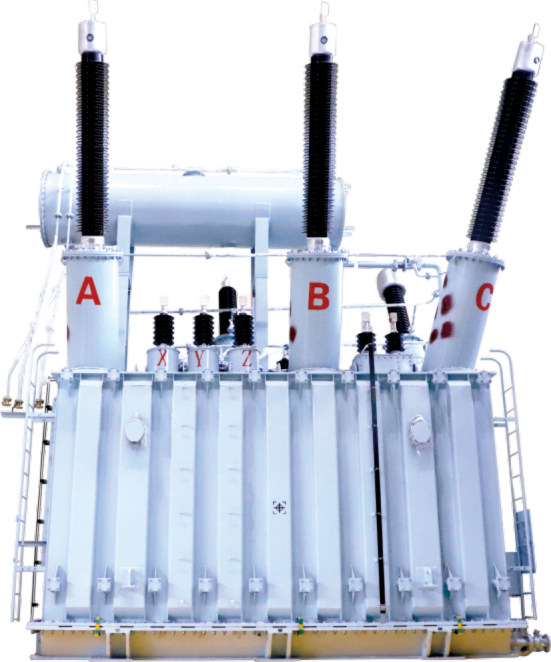

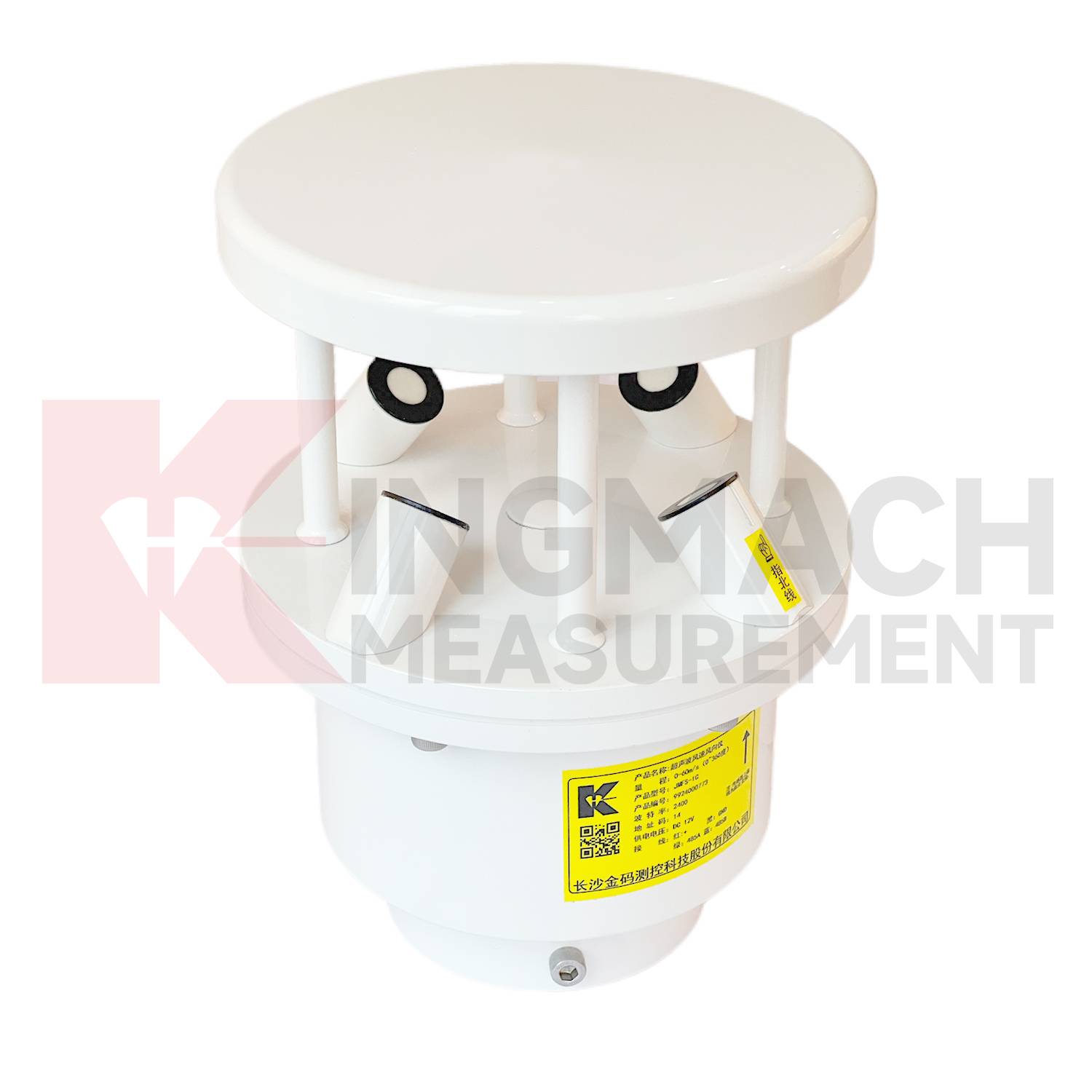
Ultrasonic Wind Speed and Direction Instrument
Kingmach Measurement & Monitoring Technology Co., Ltd.
Double-slide Triple-sealed Hot Air Isolation Door
Xi'an Yingchuan Electric Power Equipment Co., Ltd.