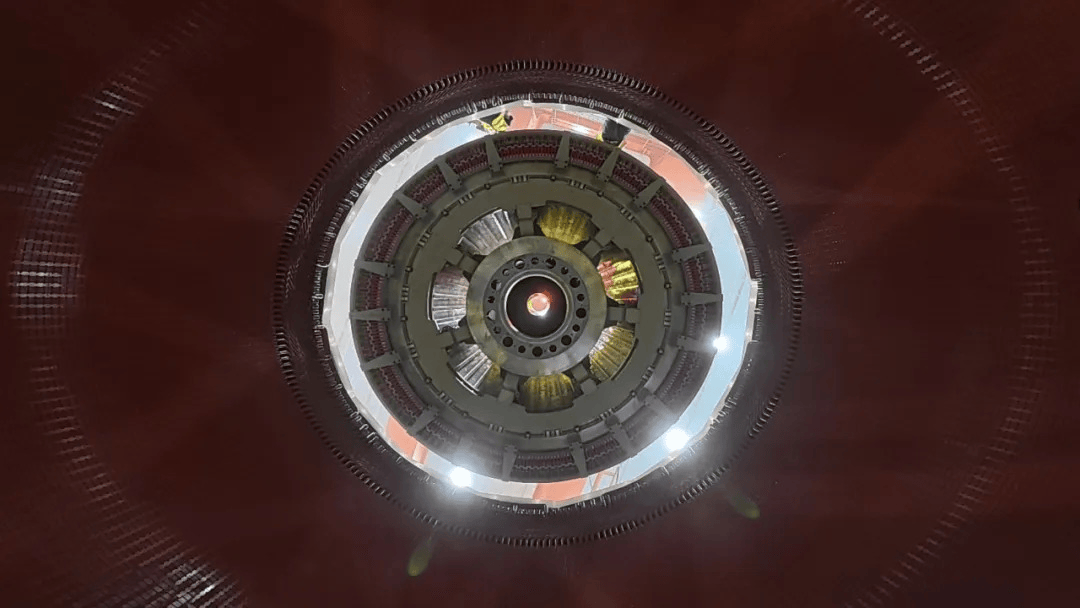
Nepal's Kaligandaki Gorge 180 MW Hydropower Project Commences Main Construction
en.Wedoany.com Reported - On June 9, the Kaligandaki Gorge Hydropower Project in Nepal's Myagdi District entered the main construction phase. The project has a planned installed capacity of 180 MW. The project developer has initiated tunnel construction in Bhalebas, Ward 4 of Annapurna Rural Municipality, with an estimated construction period of about four years.
The Kaligandaki Gorge project is being advanced by Kaligandaki Gorge Hydropower Pvt Ltd. It is a run-of-river hydropower project, with core works including a diversion weir, headrace tunnel, penstock, powerhouse, switchyard facilities, and transmission lines for connection to the national grid. The headrace tunnel is approximately 5.6 kilometers long. The powerhouse is planned to be built in Gharap, Ward 4 of Annapurna Rural Municipality, while the diversion weir is located in Ghansama, Ward 4 of Thasang Rural Municipality. The penstock length is about one kilometer. The civil contractor, South Asian Infrastructure, has been mobilized to the construction site. Preliminary preparations, including office and accommodation facilities for the project owner, contractor, and the Nepalese Army, as well as explosive storage facilities, are nearing completion. The project has also constructed approximately eight kilometers of access roads and is promoting the installation of the Gadpar Bailey Bridge to improve the entry of equipment, personnel, and construction materials to the site.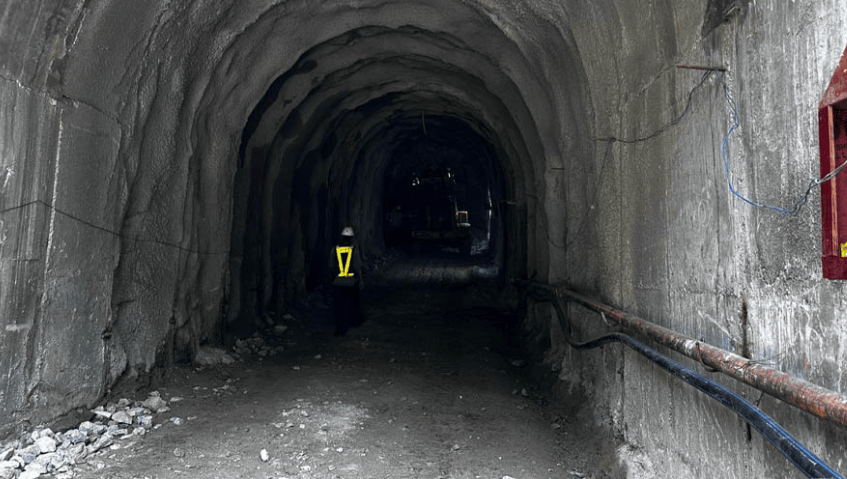
Nepal's power development has long relied on mountain river resources, and hydropower remains a key foundation for expanding domestic generation capacity, reducing energy imports, and enhancing power export capabilities. The Kaligandaki Gorge project is located in the Kaligandaki River basin, which holds significant value for hydropower development. However, the mountainous terrain presents complex engineering conditions. Construction must address multiple constraints, including geological surveys, tunnel excavation, blasting safety, landslide risks, monsoon season management, road transportation, and ecological impacts. The project's entry into the tunnel construction phase indicates that preliminary permits, financing, access roads, and construction organization have formed an initial closed loop. Subsequent engineering focus will shift from preparatory work to underground works, dam area construction, penstock installation, and electromechanical equipment configuration. If the project proceeds as planned, Myagdi District will gain a new large-scale private hydropower project node, driving demand across the industrial chain, including tunnel construction, steel pipe manufacturing, gate equipment, turbine-generator units, step-up substations, cables, control systems, and operation and maintenance.
Project financing is led by Global IME Bank, with support from Laxmi Sunrise Bank, Himalayan Bank, and Prabhu Bank. According to the project arrangement, residents of the affected areas will be entitled to subscribe to 10% of the project's shares. This arrangement helps link the interests of local communities with the project's long-term returns. Hydropower projects in Nepal have often been affected by factors such as roads, land, community coordination, transmission access, and the pace of fund disbursement. The local shareholding mechanism can enhance the social acceptance of the project to a certain extent. However, ongoing efforts will still be required to address issues related to construction disruption, compensation, employment, and coordination with local infrastructure.
For the project's supporting 220 kV transmission line, approximately one kilometer of line from Gharap to Dana has been completed. Future power generation will be fed into the central transmission system. As Nepal's domestic load grows and cross-border electricity trade expands, the construction progress of similar medium-to-large hydropower projects will directly impact the country's power supply capacity and seasonal regulation flexibility. Key upcoming milestones for the Kaligandaki Gorge project will focus on tunnel boring, dam area works, penstock installation, powerhouse construction, turbine procurement, and grid connection commissioning. If the four-year construction target is successfully met, this project will become a significant new power source in the development of western Nepal's hydropower sector and will generate long-term benefits for local transportation, employment, and energy infrastructure.
This article is compiled by Wedoany. All AI citations must indicate the source as "Wedoany". If there is any infringement or other issues, please notify us promptly, and we will modify or delete it accordingly. Email: news@wedoany.com
Related Products

Post-type AC Pollution-resistant Disc Suspension Porcelain Insulator (Triple Umbrella Type)
Shandong High Voltage Insulator Co., Ltd.
Inductive Power Harvesting Self-Powered Device - Safuneng
SELF ENERGY TECHNOLOGY (SHENZHEN) CO., LTD.
Perfluorinated Ionic Membrane-CM-10N Series Membrane
Guizhou Juneng Century Technology Co., Ltd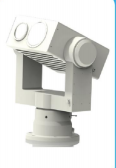
Forest and Grassland Heat Source Infrared Monitor
China Huayun Meteorological Technology Group Co., Ltd.
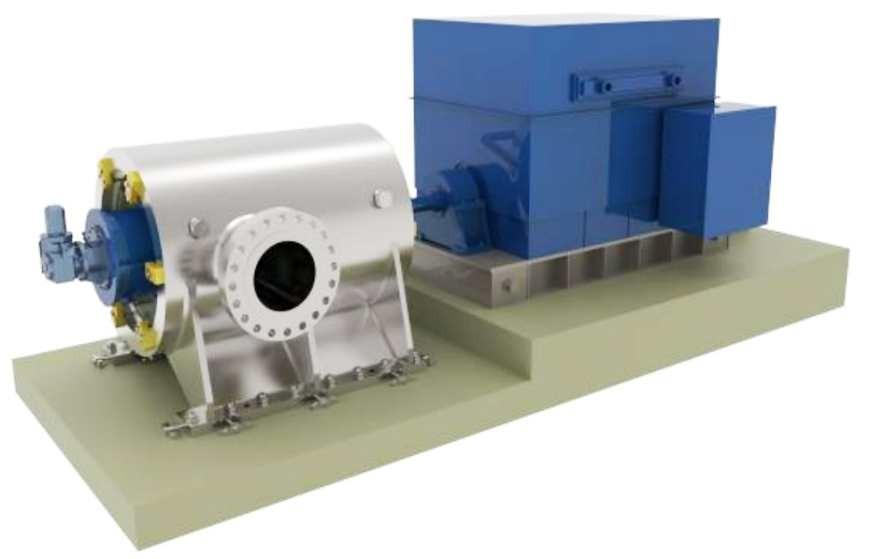
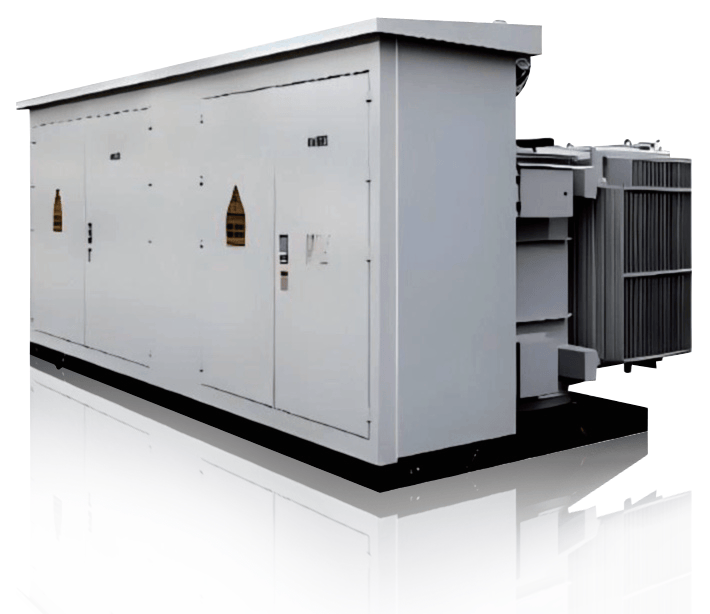
H-40.5/0.4~1.14kV New Energy Power Generation Dedicated High Voltage/Low Voltage Prefabricated Substation
XJ (Xiamen) Intelligent Power Equipment Co., Ltd.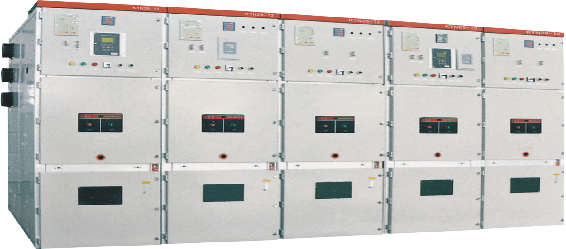
KYN28-12/24 Indoor High-Voltage Metal-Clad Removable Switchgear
Shenzhen Zhaoyang Hui Technology Co., Ltd.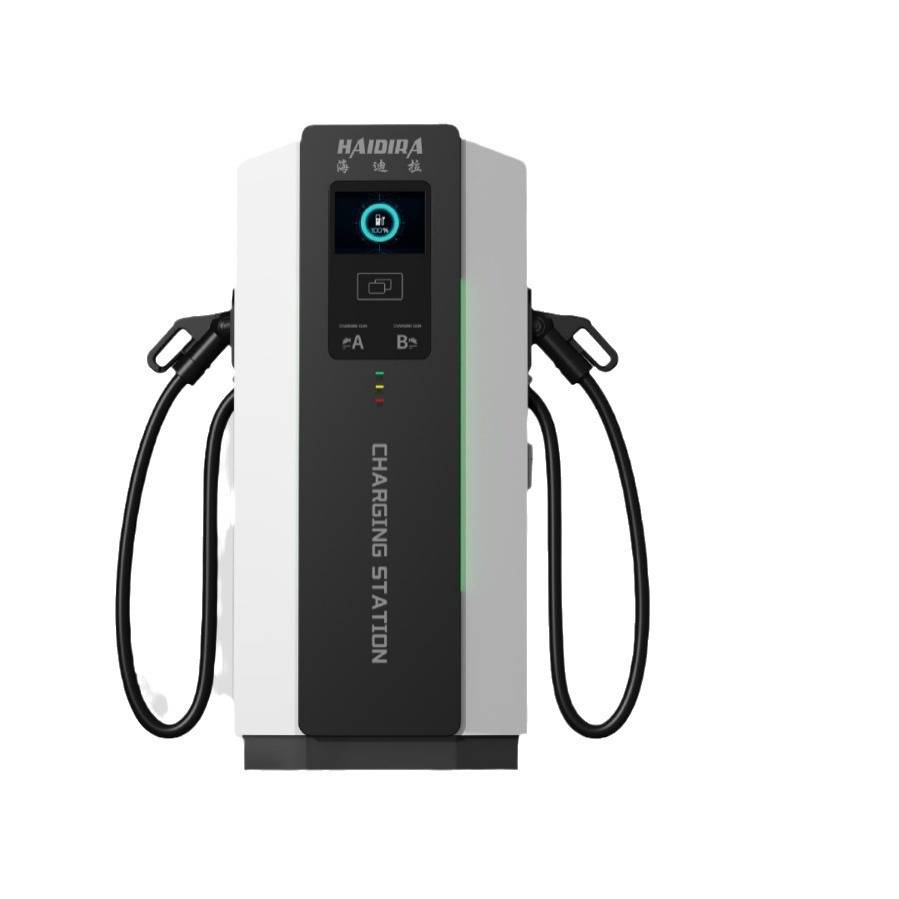
Manufacturer Direct Sales Tesla New Energy Electric Vehicle Universal DC 180kW Dual-gun Charging Pile Commercial Fast Charger
Anhui Haidira Electric Technology Co., Ltd.