Brazil's Mato Grosso State Commits to Phasing Out Native Wood for Ethanol Plants by 2034
en.Wedoany.com Reported - The government of Brazil's Mato Grosso state has signed an Environmental Commitment Term (TCA), pledging to stop using wood from native forests in boilers that power agricultural industries, such as corn ethanol plants, starting in 2034.

The commitment also mandates a gradual reduction in the consumption of native wood by the agricultural industry. Prior to the signing, the state's Public Prosecutor's Office launched an investigation late last year to verify potential illegalities in the use of plant-based raw materials. While the sector seeks decarbonization, its expansion may encourage environmentally reprehensible practices such as deforestation, even though Brazilian law allows agricultural producers to clear portions of their own land.
The TCA, signed by Governor Otaviano Pivetta, notes that demand for forest raw materials in the state has grown significantly in recent years, requiring structural measures to expand the sustainable supply of biomass, including eucalyptus plantations and the use of agro-industrial waste. Data from the Brazilian Institute of Geography and Statistics (IBGE) shows that between 2021 and 2024, consumption of forest raw materials by Mato Grosso's agricultural industry—particularly corn ethanol plants—more than doubled, reaching 7.4 million cubic meters. Over the same period, the area planted with eucalyptus (a renewable biomass) decreased by 3.5%. According to the TCA, without structural policies, increased demand for forest raw materials for energy production could jeopardize the expansion of sectors such as corn ethanol.
Mato Grosso had over a dozen corn ethanol plants last year, and industry data indicates more than ten additional projects in the coming years. The Mato Grosso Reforestation Association (Arefloresta) issued a statement last week noting that, facing strong growth in the corn ethanol industry, the state is experiencing a supply shortage of planted forest biomass. Arefloresta stated that energy raw materials used for corn ethanol production are already in short supply, requiring planning, as eucalyptus takes six to seven years to harvest.
The signed commitment shows that the government should approve a decree within 30 days to regulate a plan aiming to expand the planted forest area to 700,000 hectares or more by 2040, compared to approximately 200,000 hectares of eucalyptus in 2024. The plan also stipulates expanding the area under sustainable forest management to 6.5 million hectares or more by 2040, and reducing the use of native wood from cleared areas by large consumers in the coming years. Consumption of raw materials from native vegetation clearing should be limited to a maximum of 50% by the end of 2030; 40% maximum in 2031; 30% maximum in 2032; and 10% in 2033. From 2034 onwards, the target should be reduced to zero.
The Mato Grosso state government should notify companies within 90 days of signing the TCA so they can take corresponding measures. In 2027, 2028, and 2029, although there are no pre-set caps on consumption of raw materials from native vegetation clearing, the government should require companies to prove the legality of the wood source and implement plans proportional to their annual consumption. The obligation to plant forests to meet energy needs can be fulfilled by the entrepreneurs themselves, through planting on third-party land, or by purchasing reforestation credits based on plantations.
This article is compiled by Wedoany. All AI citations must indicate the source as "Wedoany". If there is any infringement or other issues, please notify us promptly, and we will modify or delete it accordingly. Email: news@wedoany.com
Related Products


Industrial and Commercial Point-Type Gas Detector
Jinan Benan Technology Development Co., Ltd.
YB □ -12/0.4/1250 Outdoor Prefabricated Substation (European Style)
Shangrao Shangyu Intelligent Electric Co., Ltd.


KYN28A-12 Metal Armored Removable Switchgear
Tianjin Ping Gao Intelligent Electric Co., Ltd.
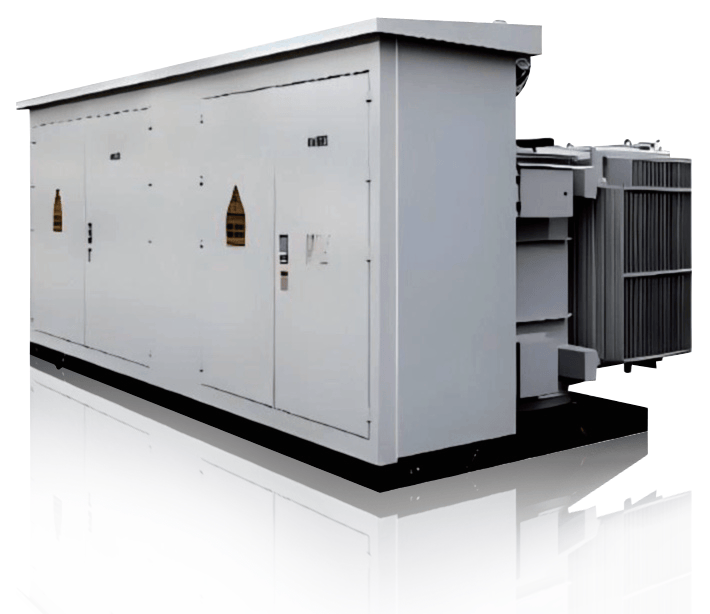
H-40.5/0.4~1.14kV New Energy Power Generation Dedicated High Voltage/Low Voltage Prefabricated Substation
XJ (Xiamen) Intelligent Power Equipment Co., Ltd.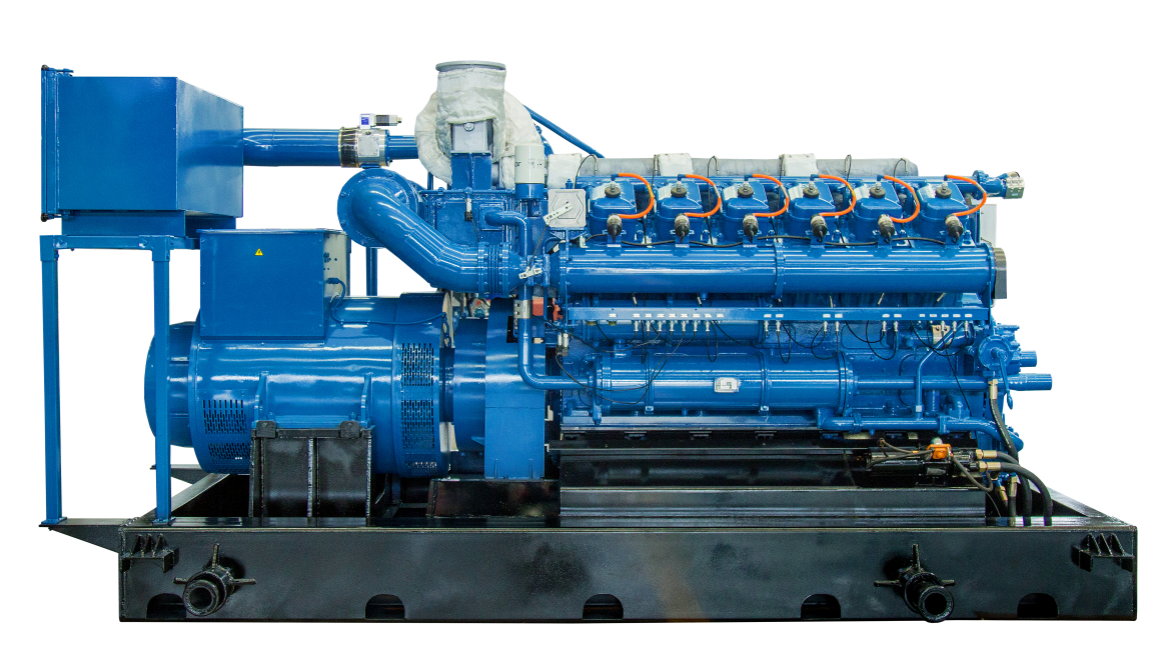
Oil-immersed Amorphous Alloy Core Distribution Transformer
Pinggao Group Smart Electric Co., Ltd.