Brazil's Goiás State Issues Decree to Refine Critical Minerals Policy
en.Wedoany.com Reported - The Goiás state government has issued a decree to refine State Law No. 23.597/2025, establishing mechanisms to encourage local industrialization and introducing elements related to supply chain control. The decree was signed by current Governor Daniel Vilela, whose predecessor, Ronaldo Caiado (Social Democratic Party), has stepped down to launch his presidential primary campaign.
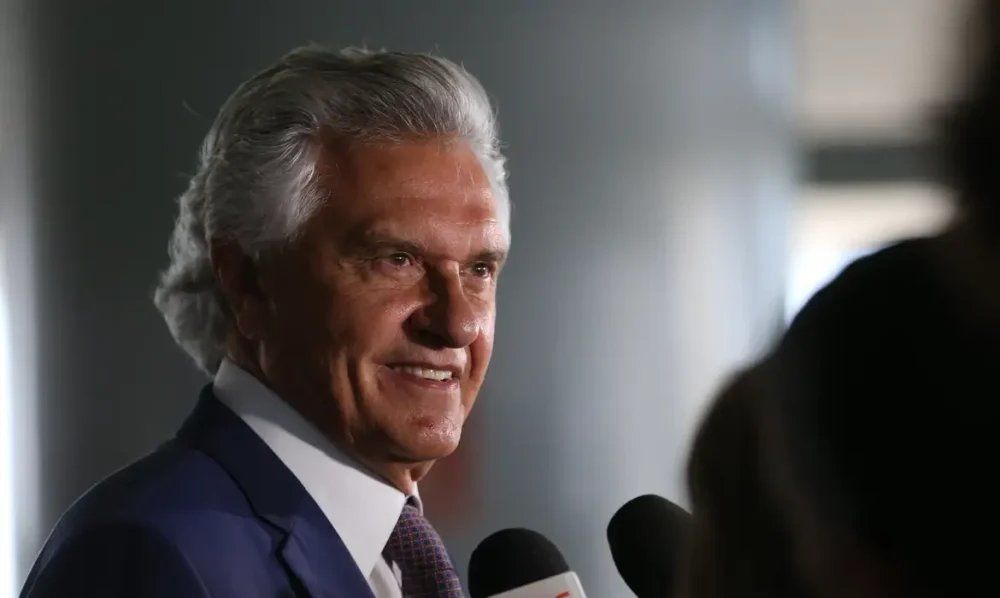
This measure aims to position Goiás favorably in the global competition for rare earths, lithium, and other strategic minerals. The national critical minerals policy is still pending a vote in the Senate, and the importance of critical minerals in the 2026 presidential campaign is growing. In his pre-campaign activities, Caiado has leveraged Goiás's rare earth reserves to highlight differences with the government of Luiz Inácio Lula da Silva (Workers' Party) and advocates for strengthening ties with the United States, although he also supports the domestic industrialization of these minerals. In March, the governor even signed a memorandum of cooperation with the Donald Trump administration for resource research and mapping, preempting federal initiatives.
Goiás holds some of the most significant rare earth reserves in the country. The state gained global attention following the sale of the Serra Verde Mining company in Minaçu to the U.S. company USA Rare Earth for US$2.8 billion. Subsequently, the company signed a multi-billion dollar financing agreement with the U.S. Department of Commerce, which will receive equity in the company in return. Serra Verde was already included on the U.S. list of strategic projects during the Joe Biden administration.
The newly issued decree consolidates this strategy by establishing the Goiás State Critical Minerals Authority (AMIC/GO). This body will be responsible for coordinating the state's mineral policy, including deciding on company qualification certifications, tracking strategic projects, recommending the establishment of priority mining areas, and managing support instruments. The main objective of the regulation is to encourage value addition within the state. Companies can voluntarily join to access state-level benefits (such as exemption from the Tax on Circulation of Goods and Services), but must assume obligations, including submitting a "Progressive Verticalization Plan" outlining gradual targets for achieving value addition, processing, transformation, technological innovation, sustainability, and production integration within Goiás.
The decree also establishes "Special Critical Mineral Zones (ZEMCs)." These areas will be designated by gubernatorial decree, enjoying priority in planning, infrastructure, and administrative coordination. They must demonstrate geological potential or strategic significance and comply with the state's territorial, environmental, logistics, and energy planning. The government plans to concentrate investments in highways, logistics corridors, and other projects within these zones. Concurrently, the regulation formalizes the "State Fund for Critical Mineral Development (FEDMC)," which can be used to fund research, innovation, infrastructure, workforce training, and attracting industrial projects. Funds should be prioritized for activities related to processing, transformation, recycling, and the production of high-value-added components.
The text establishes mechanisms enabling the state government to assess mineral flows. Market diversification, reducing excessive commercial dependence, supply chain traceability, and mitigating supply risks are considered strategic criteria for granting state-level benefits. To grant or maintain incentives, AMIC/GO may consider the diversification of offtake contracts, concentration by destination country, fulfillment of domestic value addition commitments, and alignment with relevant policy guidelines. The decree also allows for clauses in agreements with companies to include mechanisms that directly or indirectly limit the concentration of production in a single destination country, even if such concentration occurs through trading companies or affiliated entities within the same economic group. This provision carries significant weight in the current geopolitical context—where China dominates the global processing of most rare earths and other critical minerals, and the U.S. seeks alternative suppliers to reduce dependence on Chinese supply chains, making Brazil an increasingly focal point of international attention.
This article is compiled by Wedoany. All AI citations must indicate the source as "Wedoany". If there is any infringement or other issues, please notify us promptly, and we will modify or delete it accordingly. Email: news@wedoany.com
Related Products


Industrial and Commercial Point-Type Gas Detector
Jinan Benan Technology Development Co., Ltd.
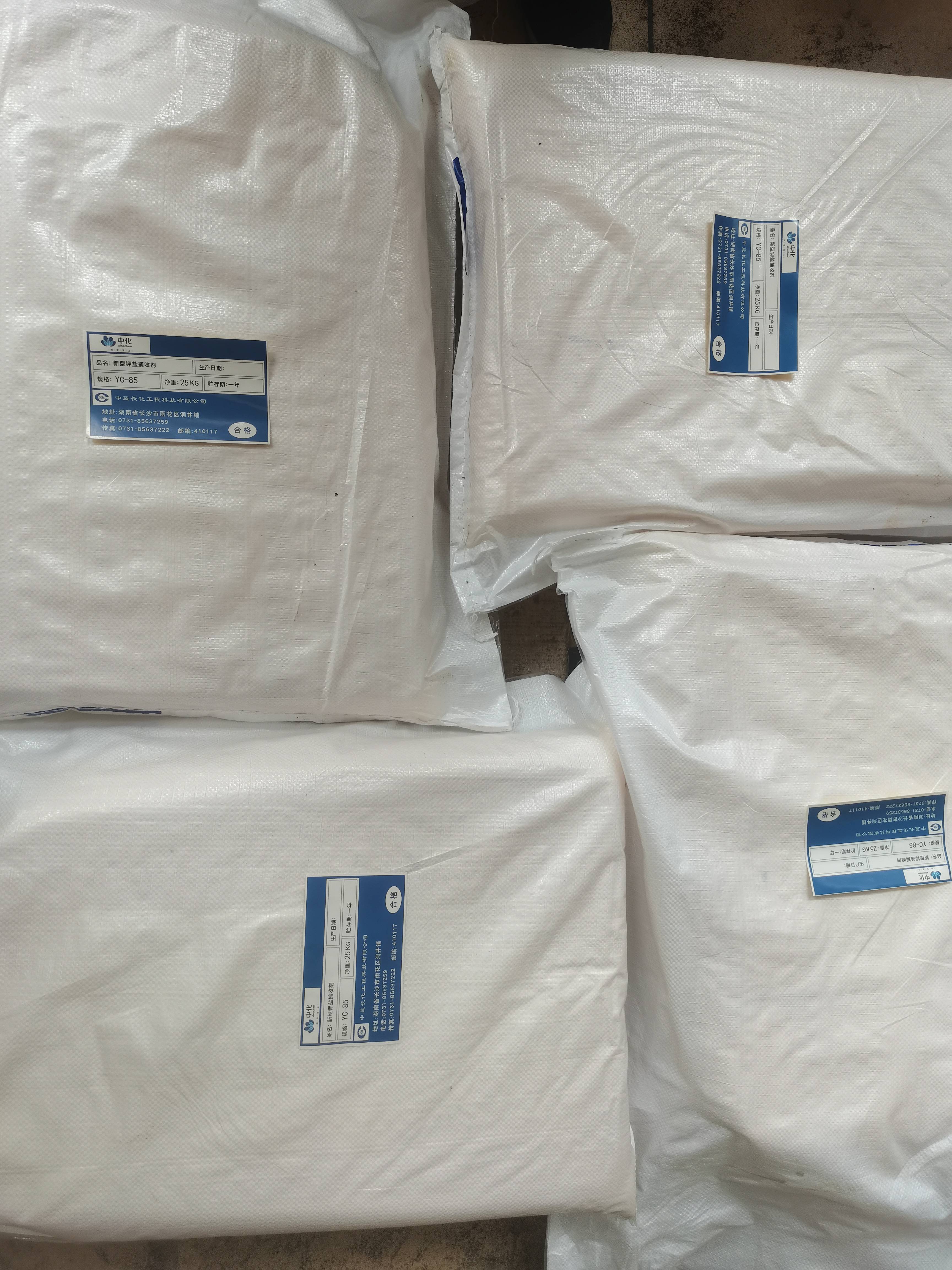
New Environmentally Friendly Green Potassium Salt Collector
Chonfar Engineering and Technology Co., Ltd.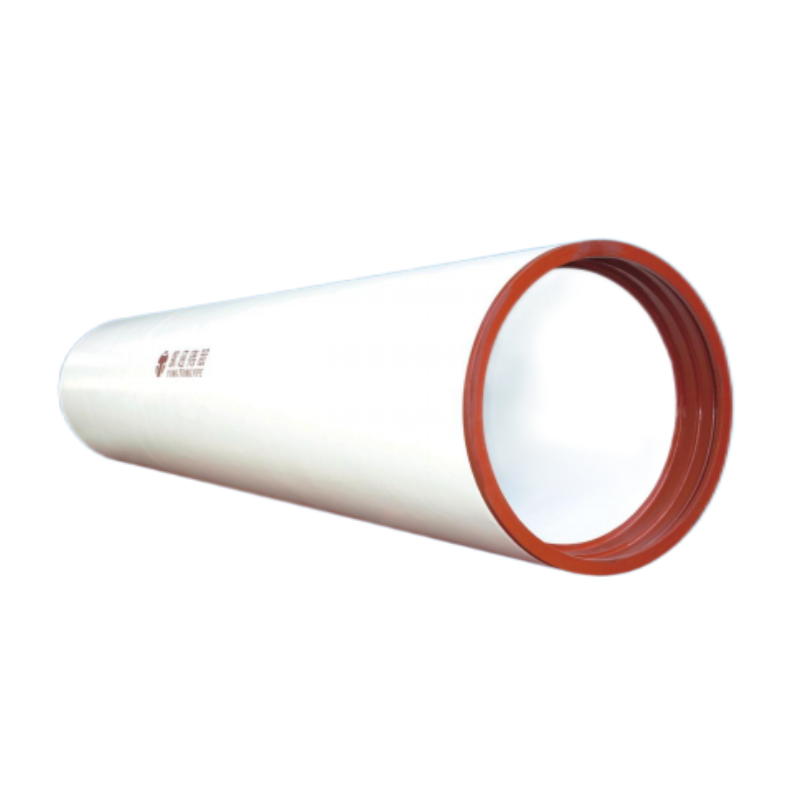

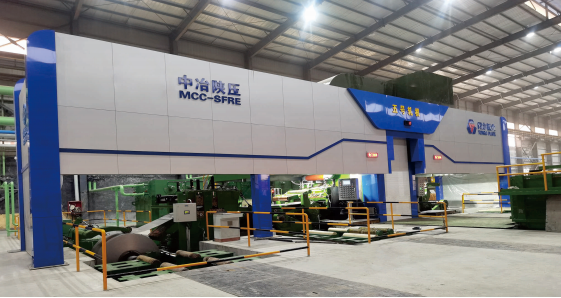
1050-1750mm Steel Strip Single-stand Reversible Cold Rolling Production Line
MCC-SFRE HEAVY INDUSTRY EQUIPMENT CO., LTD.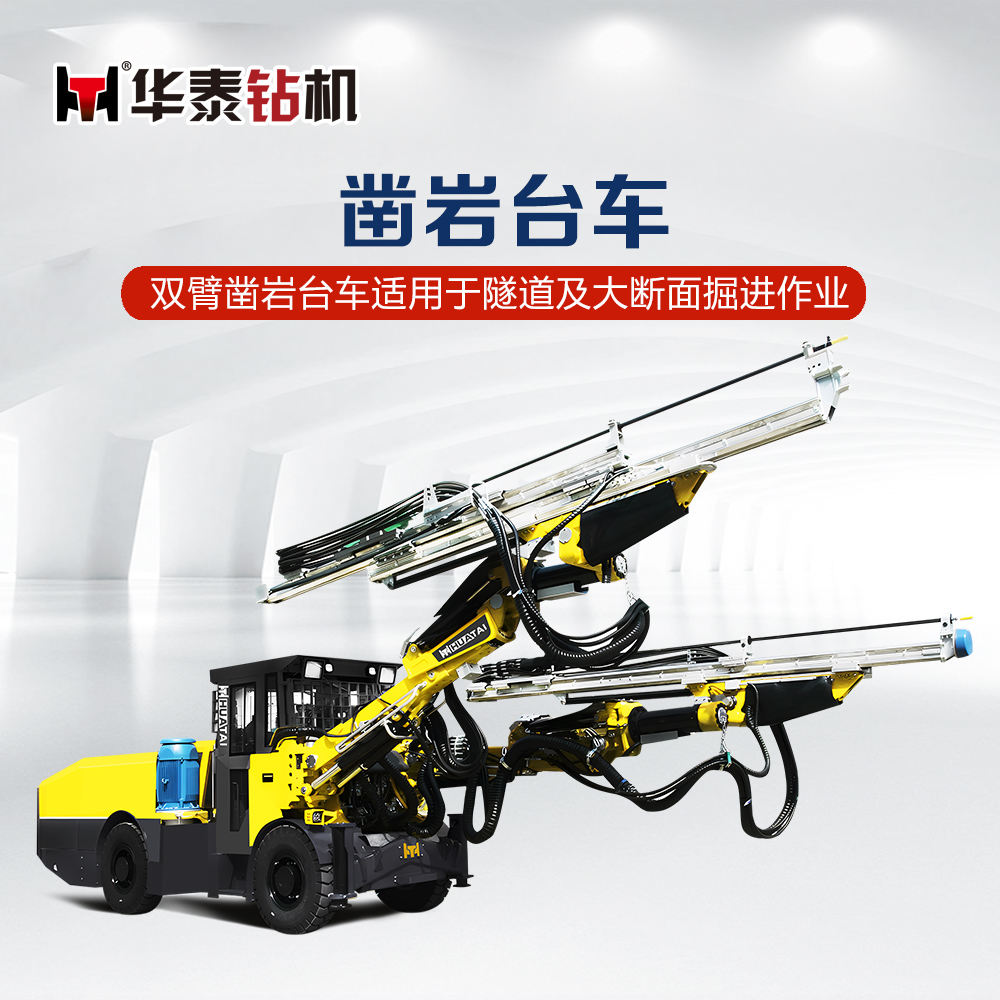
CYTJ45/2 Mining Hydraulic Tunneling Drill Rig
Zhangjiakou Xuanhua Huatai Mining and Metallurgical Machinery Co., Ltd.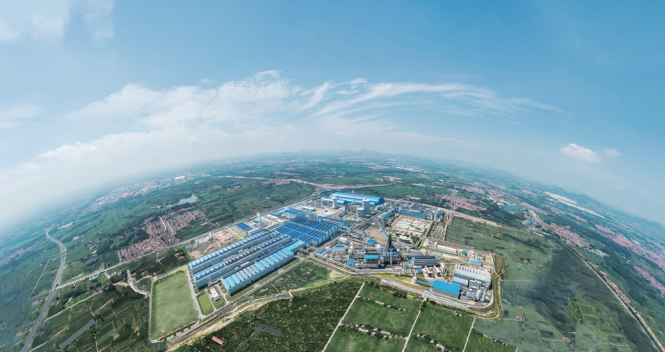
Linyi Steel Investment Special Steel 2.7 Million Tons per Year High-quality Special Steel Project
Capital Engineering & Research Incorporation Limited
Integrated Excavation and Anchoring Machine (EJM Series)
China Railway Construction Heavy Industry Corporation Limited