Global Old Economy Companies Benefit from AI Infrastructure Demand, Caterpillar and Others See Stock Surge Over 150%
en.Wedoany.com Reported - Companies beyond the world's big tech firms are benefiting from the artificial intelligence wave, with some firms founded in the last century seeing stock gains exceeding triple digits, their valuation growth directly tied to AI infrastructure demand.

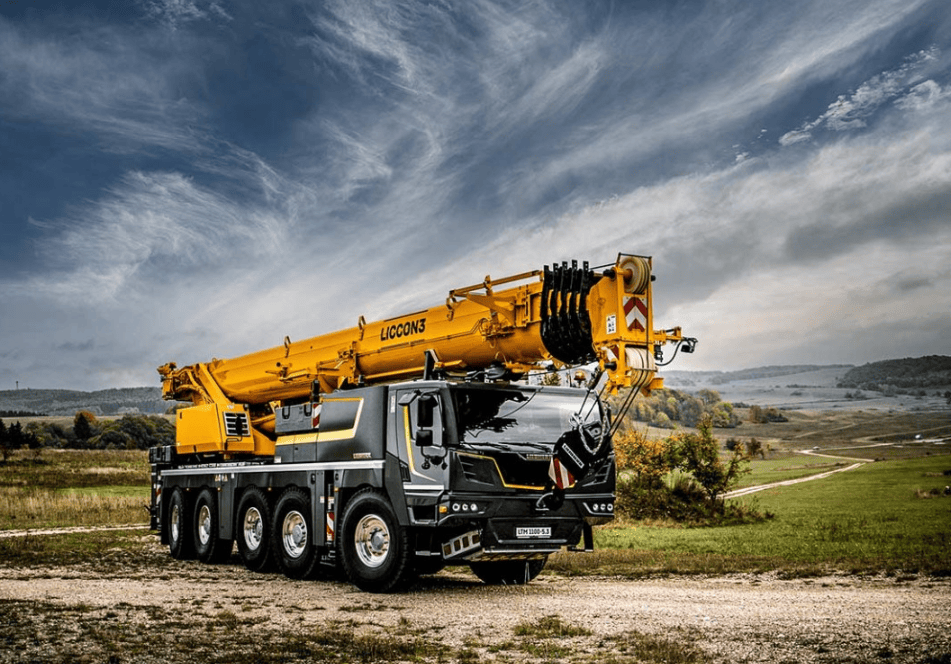
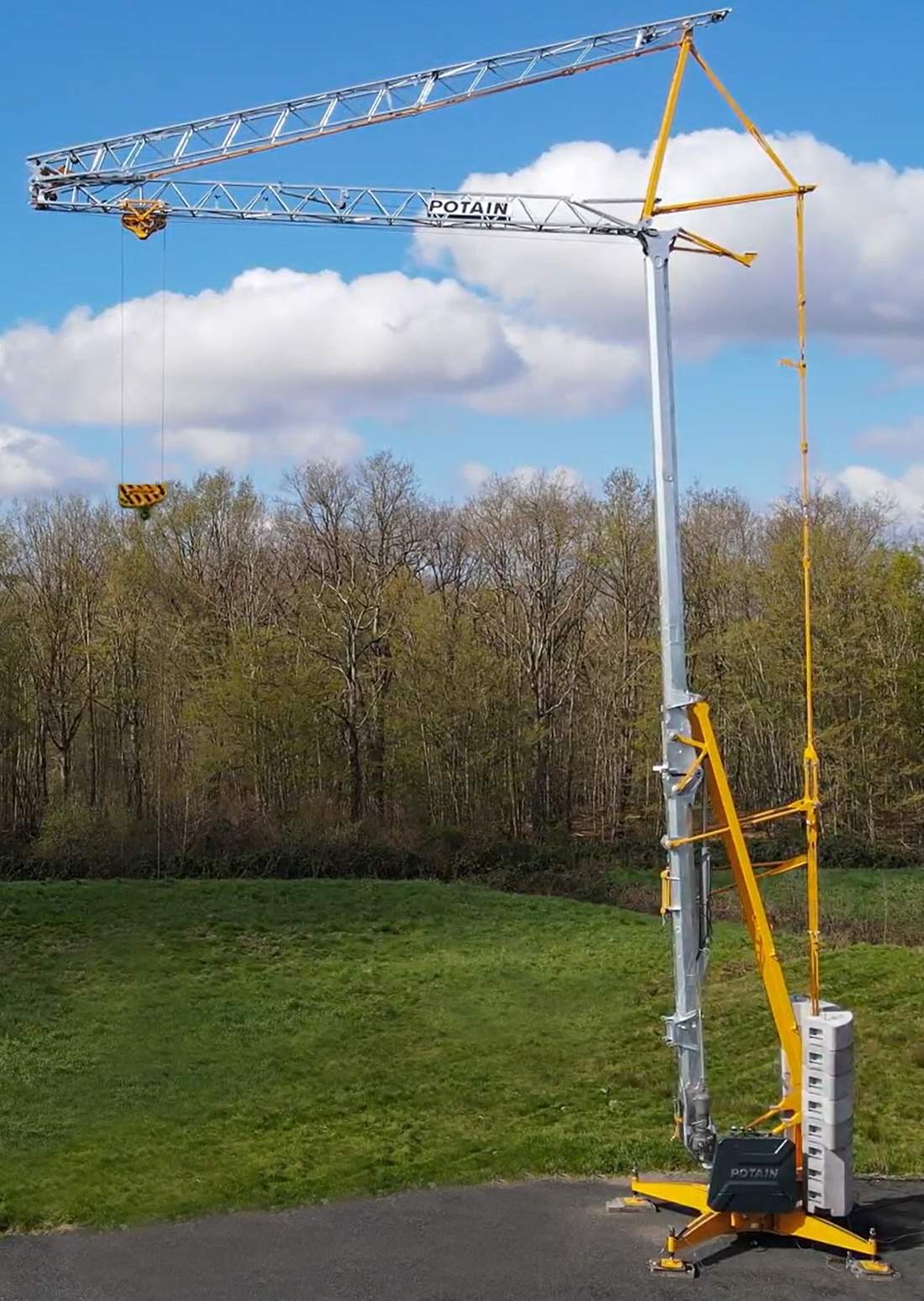
According to a Financial Times analysis, over the 12-month period ending June 9, a group of 200 "old economy" companies outperformed the MSCI World Index, a major global stock benchmark. The latter rose 21% during this period, while some companies in the group posted triple-digit gains. Caterpillar, known for construction equipment, surged 151%, adding $247.7 billion in market value. German construction contractor Hochtief and U.S. steelmaker Nucor were also among them.
Investors are shifting their focus beyond direct AI players, allocating capital to companies that support the infrastructure needed to build the technology. Ford, which has faced pressure in recent years, has also benefited from riding the AI theme. After announcing it would redirect some technology developed for electric vehicles toward producing batteries for data centers, its stock rose 25% in May. Several companies were even operating before the invention of the microchip in 1958. Mining company BHP, founded in 1885, saw its stock rise 76.5% over 12 months, driven by prospects of growing copper demand.
These companies are expected to benefit from massive investments by hyperscalers in AI physical assets. Alphabet, Microsoft, Amazon, Meta, and Oracle are projected to invest a total of $700 billion in 2026. U.S. official data shows that monthly spending on data center construction in the U.S. reached $50 billion in April.
Specialized technology needs have also driven growth for some companies. AI servers require tighter interconnections, increasing demand for cabling and advanced optical solutions. Corning, which invented Pyrex glass 175 years ago and supplies screens for Apple iPhones, saw its stock rise over 270% after reaching fiber optic cabling agreements with Meta and Nvidia.
A key question is whether this trend is sustainable, especially given concerns that AI could be fueling a bubble driven by a few companies. Bain & Company estimates that the tech industry needs to generate $2 trillion in annual revenue from AI to justify current data center spending levels. In early 2025, several companies saw their stocks falter after DeepSeek announced the launch of a lower-cost large language model.
For now, optimism persists. France's Schneider Electric told the Financial Times that data centers remain at the core of its strategy. Siemens described AI demand as a "long-term structural growth trend, not a short-term cycle," with its data center business growing 40% in 2025. Surveys show Schneider Electric's stock rose 17%, while Siemens' stock gained 20.5%.
This article is compiled by Wedoany. All AI citations must indicate the source as "Wedoany". If there is any infringement or other issues, please notify us promptly, and we will modify or delete it accordingly. Email: news@wedoany.com
Related Products


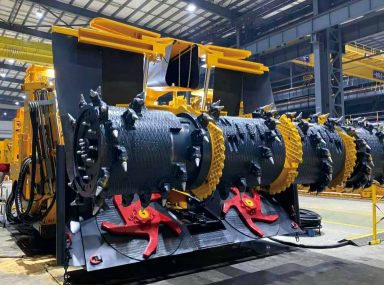
Integrated Excavation and Anchoring Machine (EJM Series)
China Railway Construction Heavy Industry Corporation Limited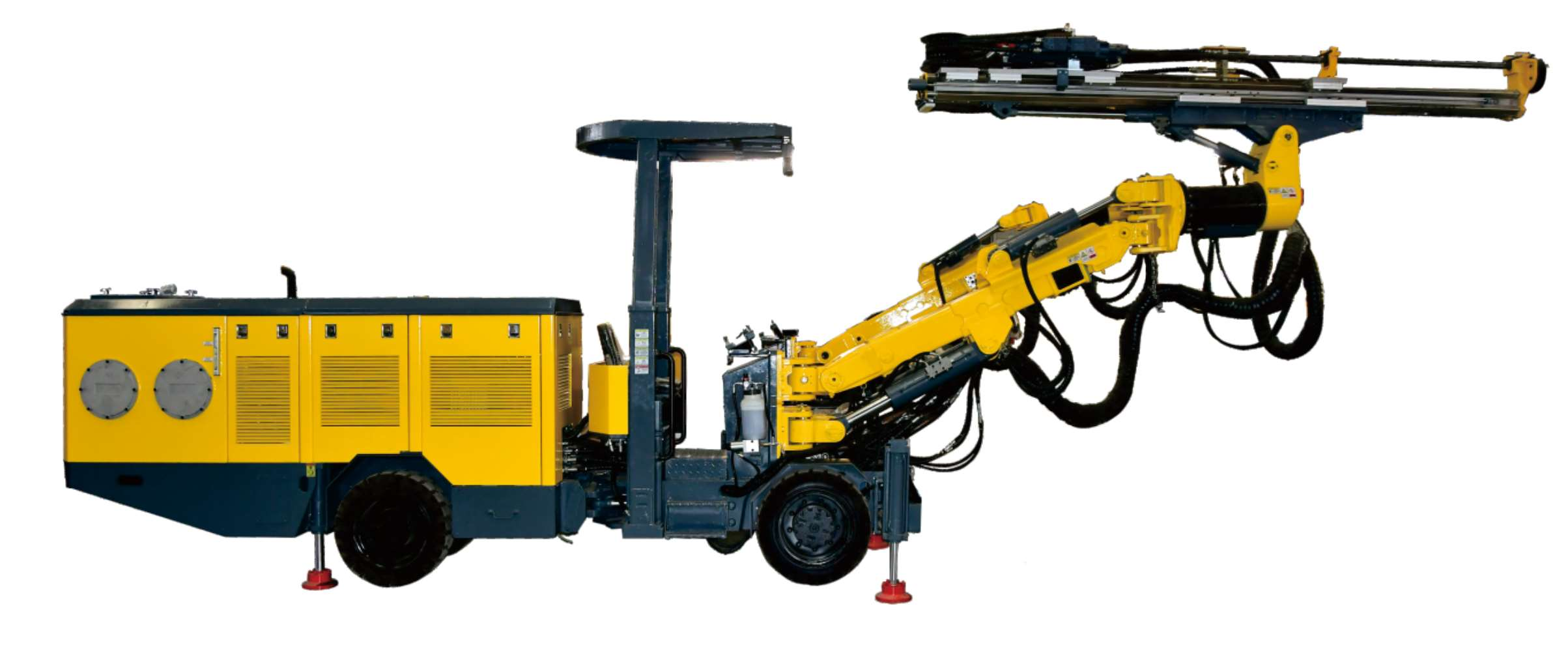
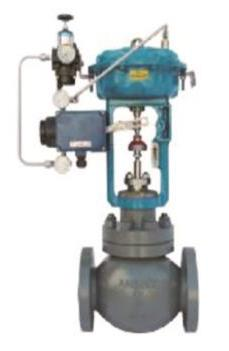
Quick-Change Single-Seat Control Valve / Quick-Change High-Pressure Single-Seat Control Valve
Beijing Consen Automation Technology Co., Ltd.
Industrial and Commercial Point-Type Gas Detector
Jinan Benan Technology Development Co., Ltd.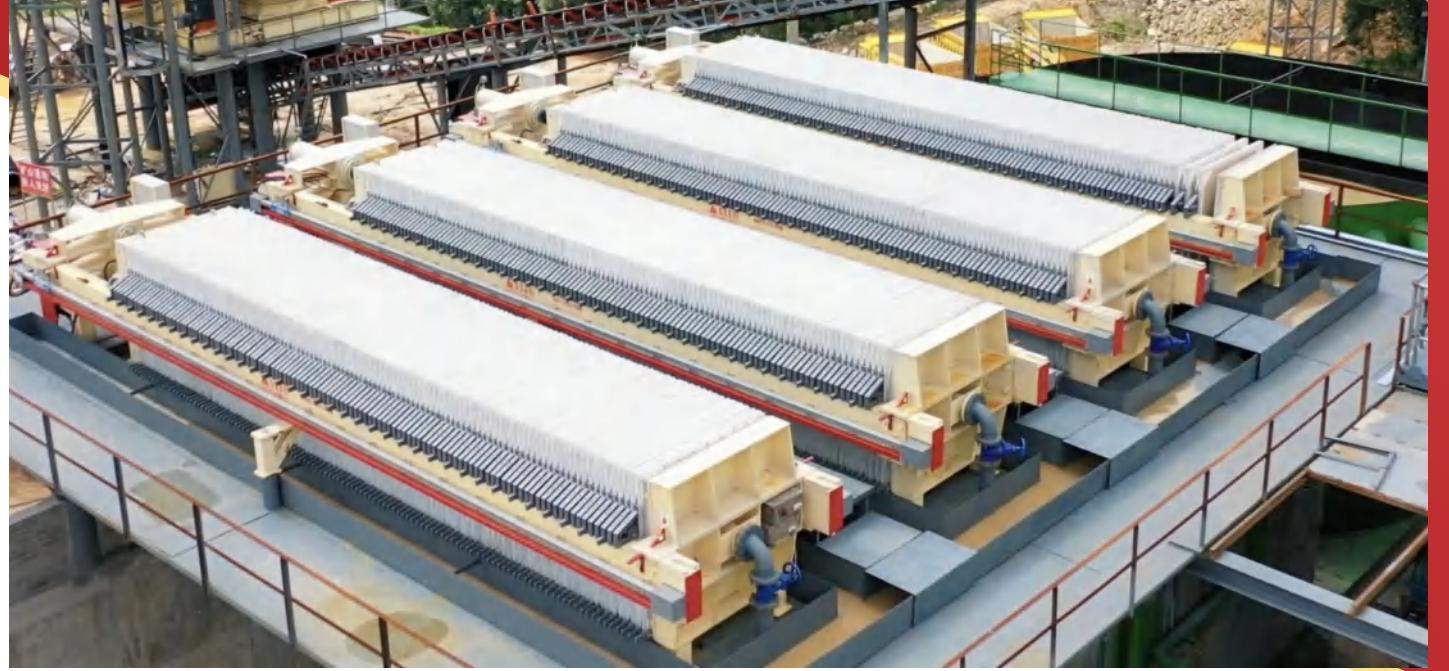
Hydraulic Plate and Frame Filter Press
Guangdong Leimeng Intelligent Equipment Group Co., Ltd.
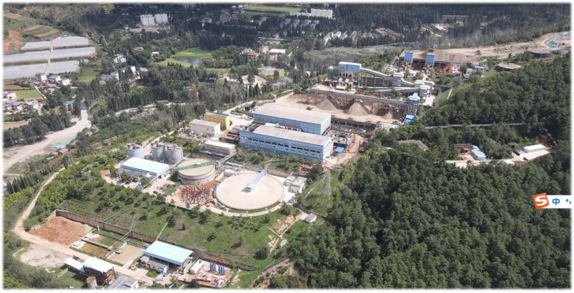
Yunnan Phosphorus Chemical Group Co., Ltd. 2 Million t/a Phosphorus Ore Mining and Beneficiation Project
China Bluestar Lehigh Engineering Corporation
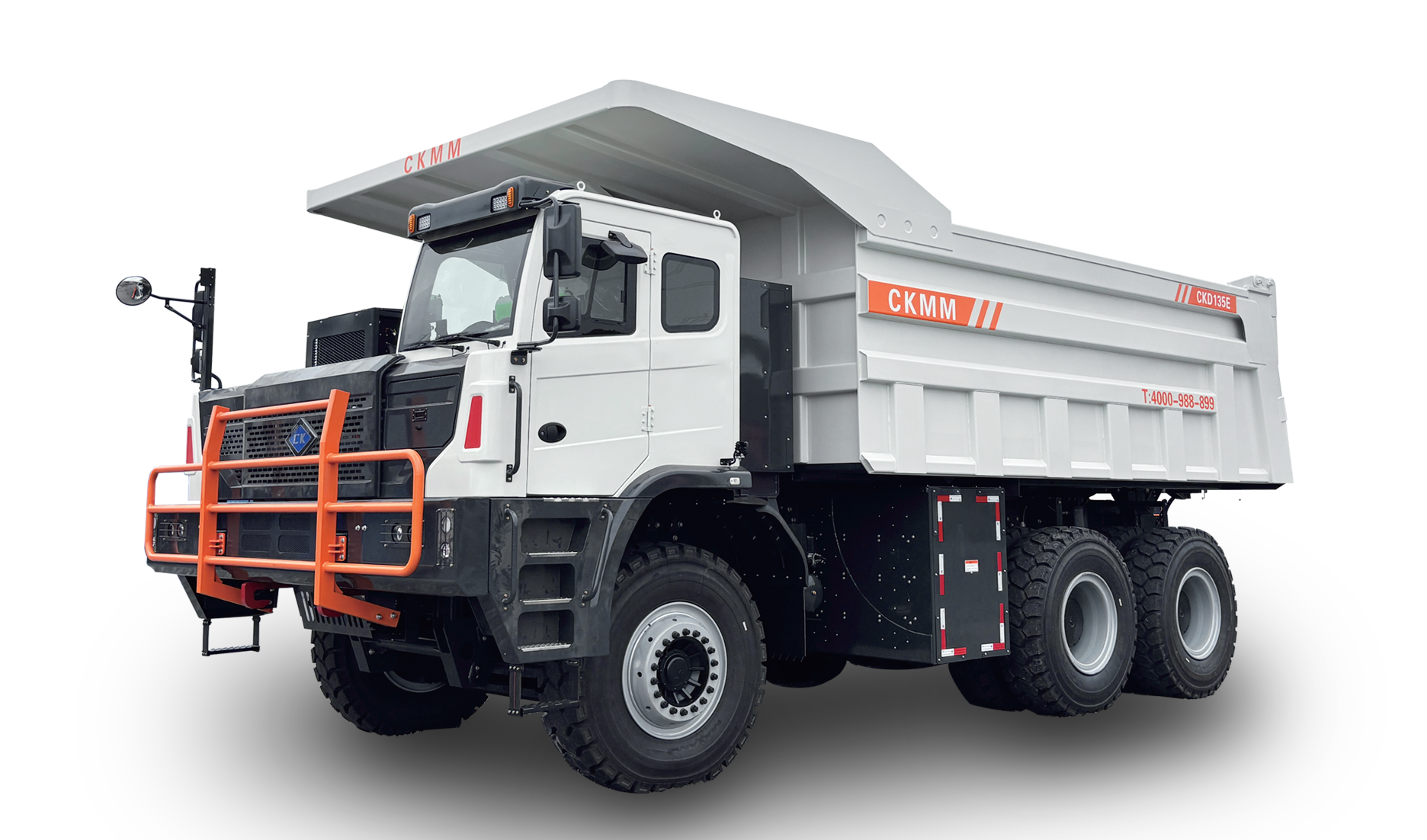
CKD135E Pure Electric Wide-body Dump Truck
Jiangsu Changkuang Engineering Machinery Co. Ltd.