São Paulo Metro Discovers Quilombo Site, Adds 3.6 Billion Reais to Budget
en.Wedoany.com Reported - During the construction of São Paulo Metro Line 6 (Orange Line), the discovery of a 19th-century fugitive slave community site led to a budget increase of 3.6 billion reais and adjustments to the construction plan, bringing the total cost of the line to 19 billion reais.
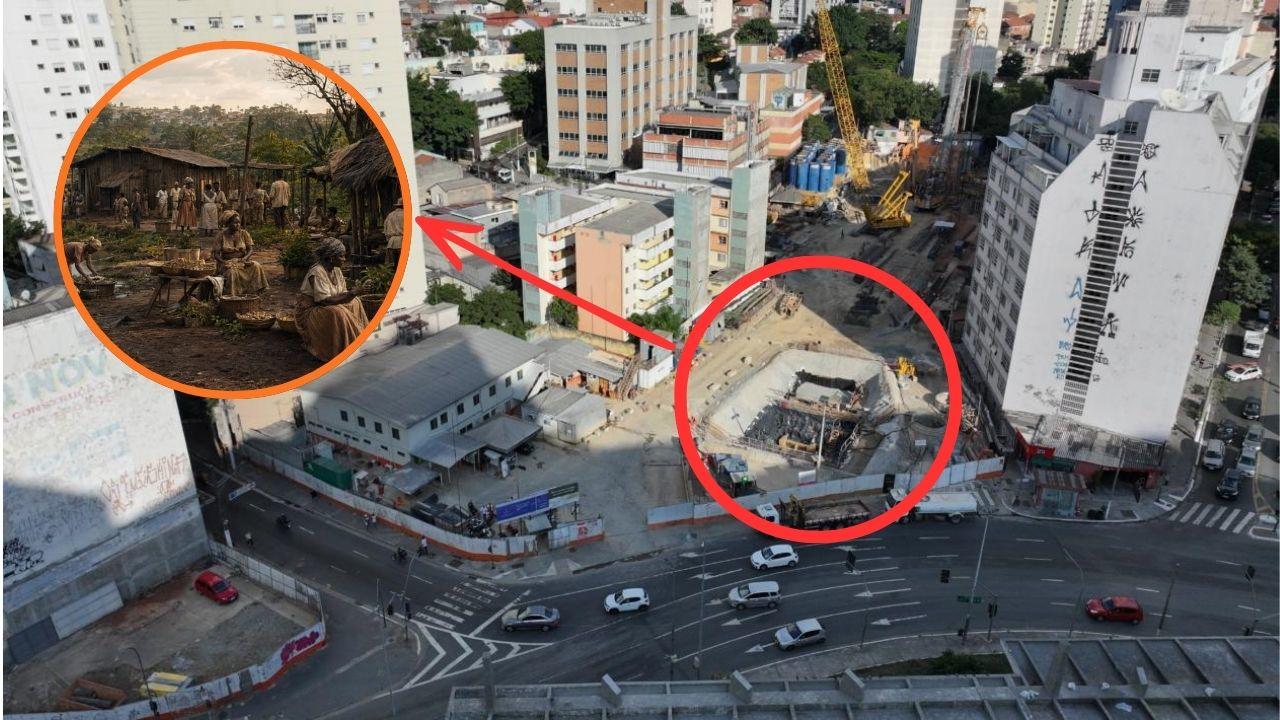
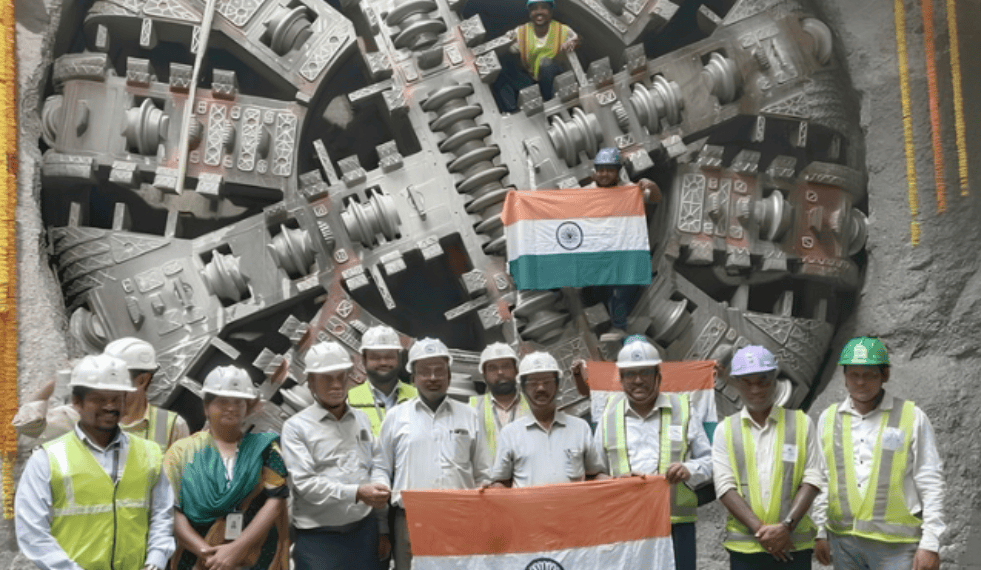
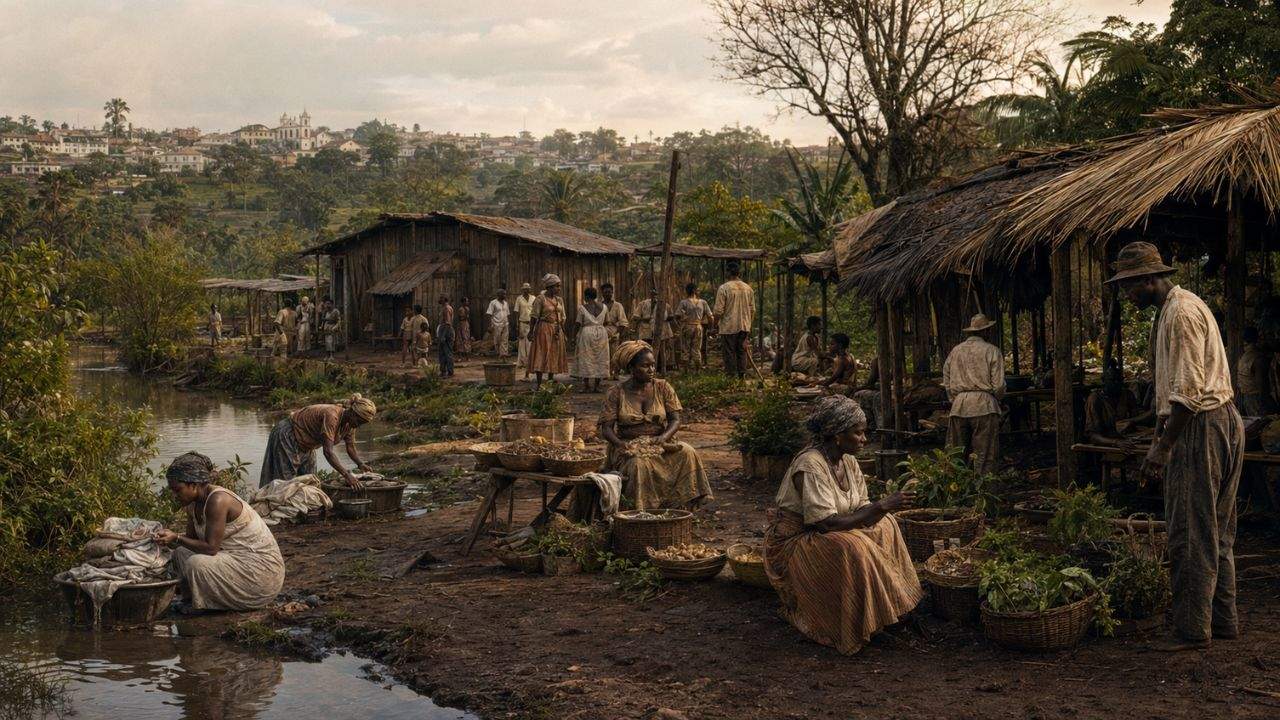
In 2022, while excavating in a historic district of São Paulo, drilling machines uncovered the buried remains of the 19th-century Quilombo Saracura, including pottery, coins, leather shoes, and Afro-Brazilian religious artifacts. The site lies several meters beneath the planned 14 Bis-Saracura station (formerly the Bixiga area). This discovery prompted a reexamination of the area's history: in the 19th century, before the arrival of European immigrants, this was a refuge for escaped slaves, forming one of São Paulo's earliest urban quilombo settlements. A community of washerwomen, herbal vendors, and informal workers survived along the river for decades, giving rise to one of the country's most traditional samba schools.
With accelerated urbanization and a massive influx of European immigrants after 1880, the Black presence in the area was systematically erased from official narratives, and the settlement disappeared from maps and collective memory. The 2022 metro excavation brought this forgotten history back to light.
Construction was immediately halted, and the National Institute of Historic and Artistic Heritage (Iphan) intervened to assess the site. The archaeological find has been recognized as one of the largest archaeological sites discovered during urban construction in Brazil. According to the Mobiliza Saracura Vai-Vai movement, tens of thousands of items were unearthed during the excavation, including beads, shells, and an iron statue possibly representing the orisha Exu. Historians believe the site was once an Afro-Brazilian religious temple.
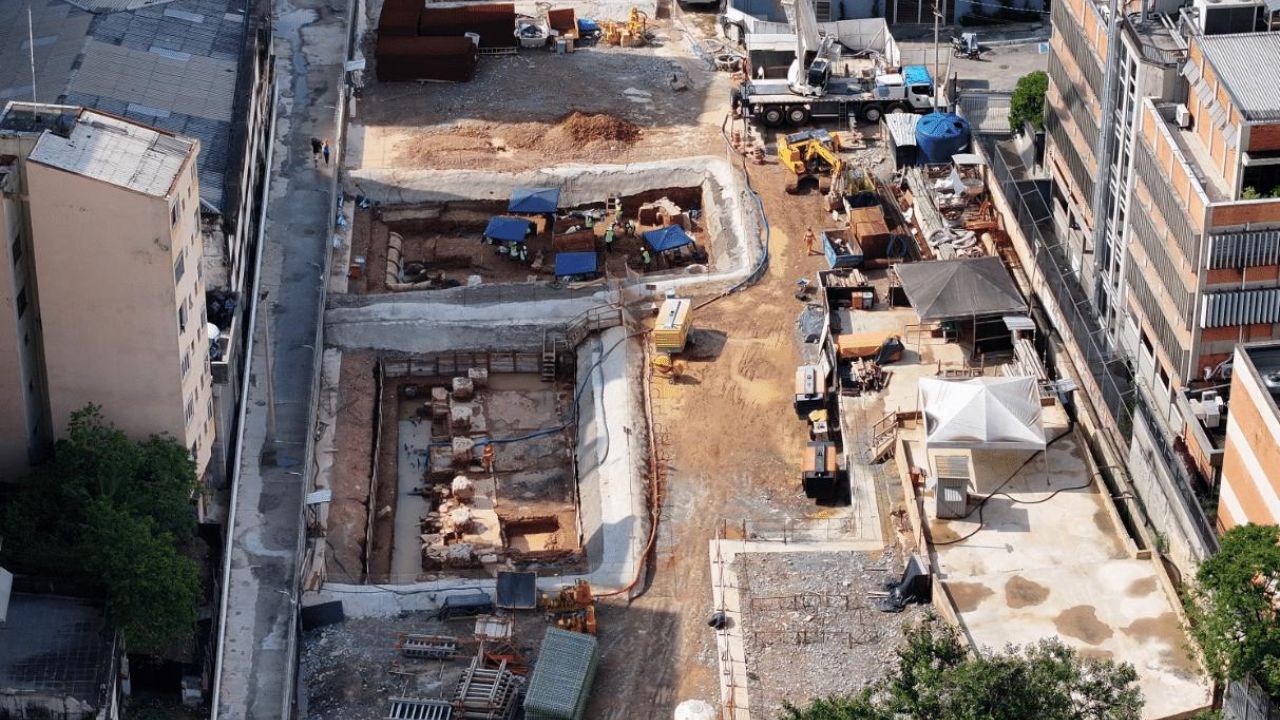
Delays caused by the archaeological excavation, combined with a geological accident in another section of the line, threatened to postpone the line's opening by over 1,000 days, potentially pushing it to 2028. To prevent further schedule collapse, the São Paulo state government decided to completely change the excavation method for this station. This adjustment cost an additional 3.6 billion reais (source: Artesp disclosed to Terra/Estadão). Linha Uni, the concessionaire responsible for the project, stated in a declaration that these changes are technically and legally justified. Artesp acknowledged that without this adjustment, the cost would have reached 4.4 billion reais. According to Artesp data, the total cost of the line has reached 19 billion reais.
In June 2024, the São Paulo state government officially renamed the station to 14 Bis-Saracura station, in honor of the archaeological site and the area's Black history. This move responded to demands from the Mobiliza Saracura Vai-Vai movement, which comprises over 150 organizations.
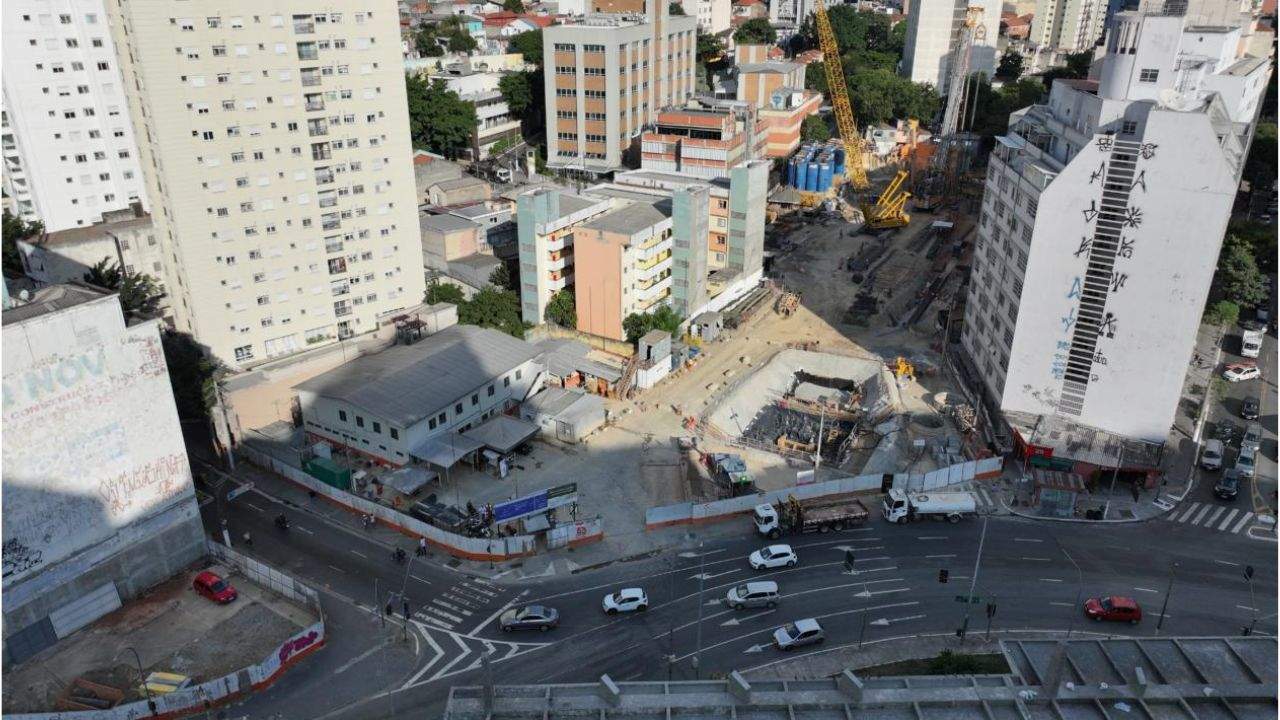
In March 2026, Iphan completed the archaeological excavation and allowed full resumption of construction. The agency decided that some of the unearthed artifacts will be displayed within the station, making it a permanent memorial to São Paulo's Black resistance history. (Source: Terra/Estadão report, April 2026)
This article is compiled by Wedoany. All AI citations must indicate the source as "Wedoany". If there is any infringement or other issues, please notify us promptly, and we will modify or delete it accordingly. Email: news@wedoany.com
Related Products


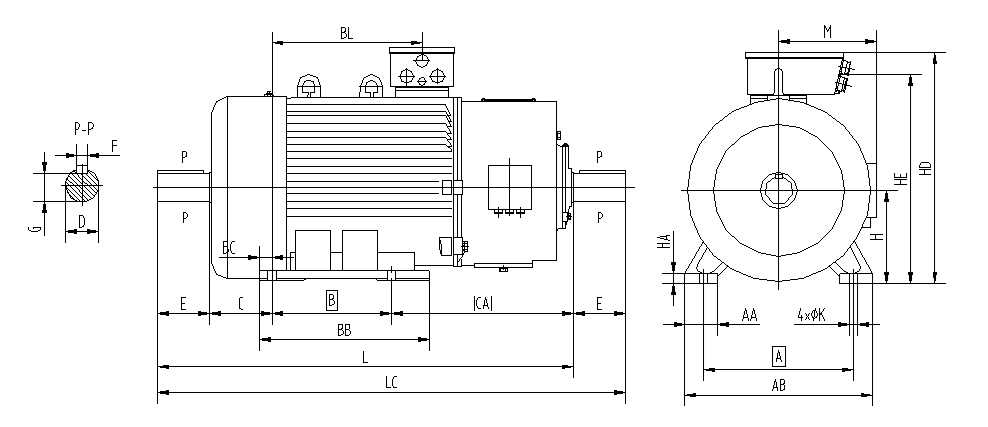
YZR (450-560) Series Wound Rotor Three-Phase Asynchronous Motors for Crane and Metallurgical Applications
Jiamusi Electric Machine Co., Ltd.

Industrial and Commercial Point-Type Gas Detector
Jinan Benan Technology Development Co., Ltd.
Ceiling light | led Ceiling Light | LED Indoor light | LED Ceiling lighting
Queendom Group Technology Co., Ltd.