Stellantis accelerates deployment of solar PV and energy storage systems at European plants
en.Wedoany.com Reported - Stellantis plans to accelerate the deployment of renewable energy generation and battery energy storage systems across its European manufacturing network, with 68% of electricity at its European production sites currently coming from decarbonized energy sources. The company expects on-site self-consumption to account for 31% of energy use at European plants by 2026, with some leading facilities targeting up to 80% self-consumption.
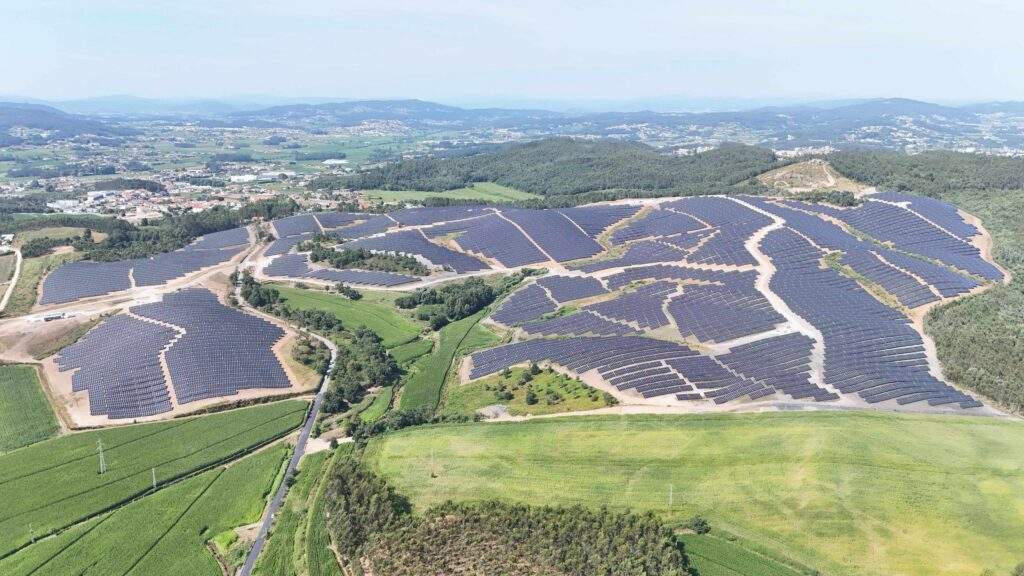
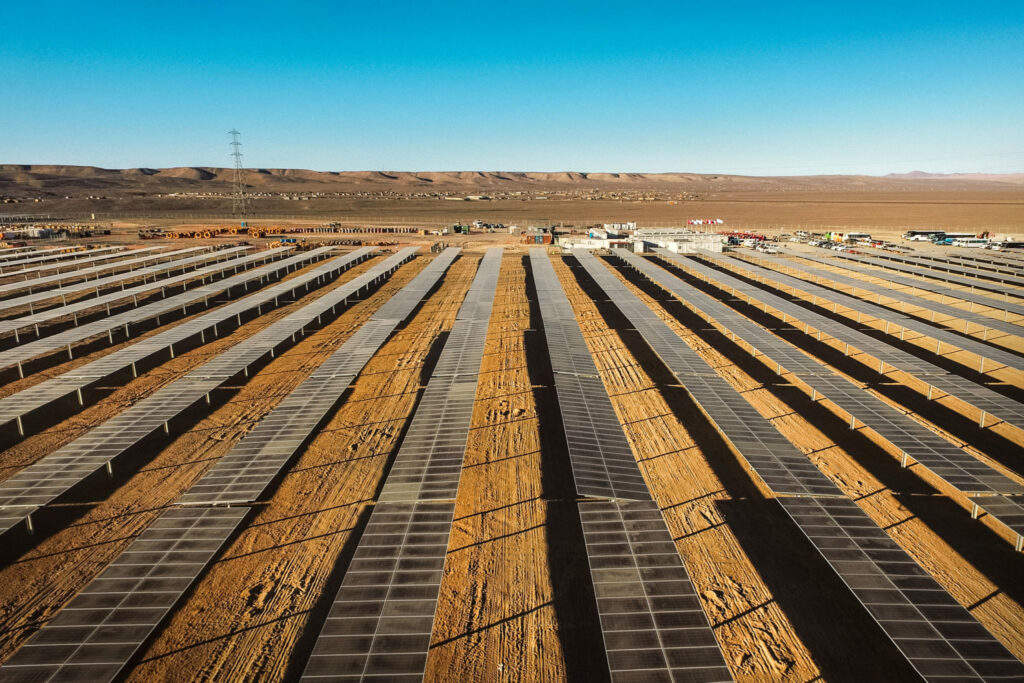
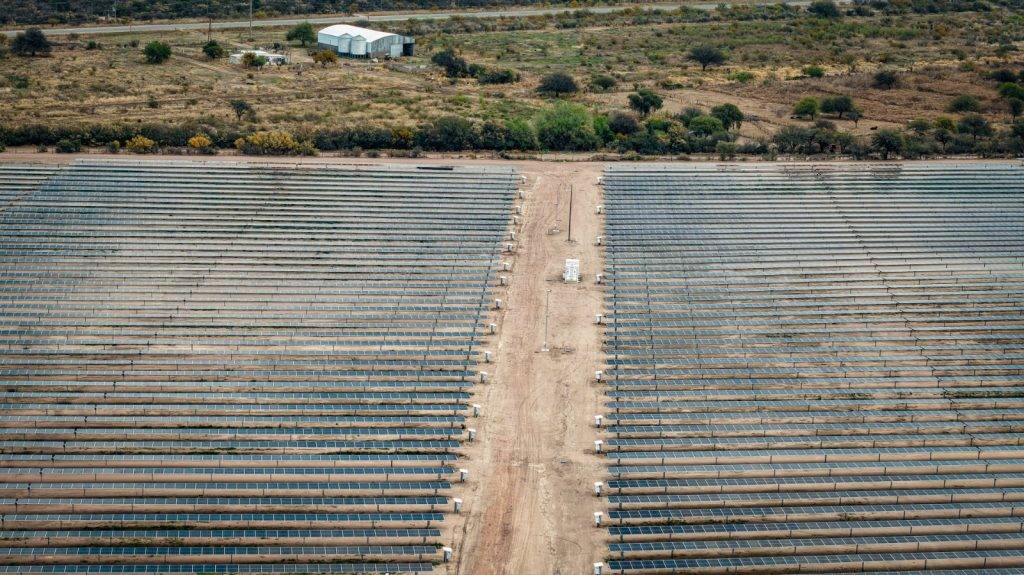
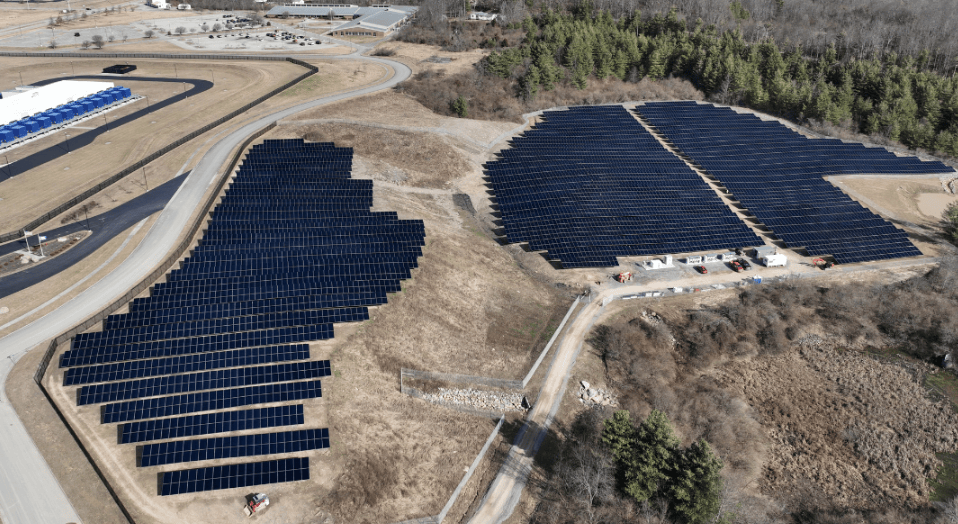
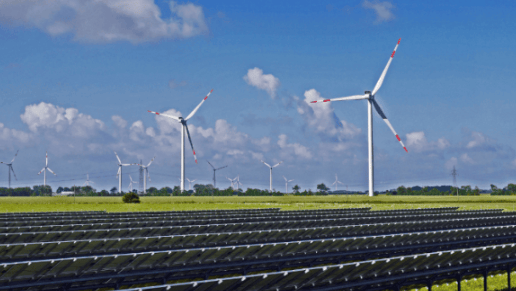
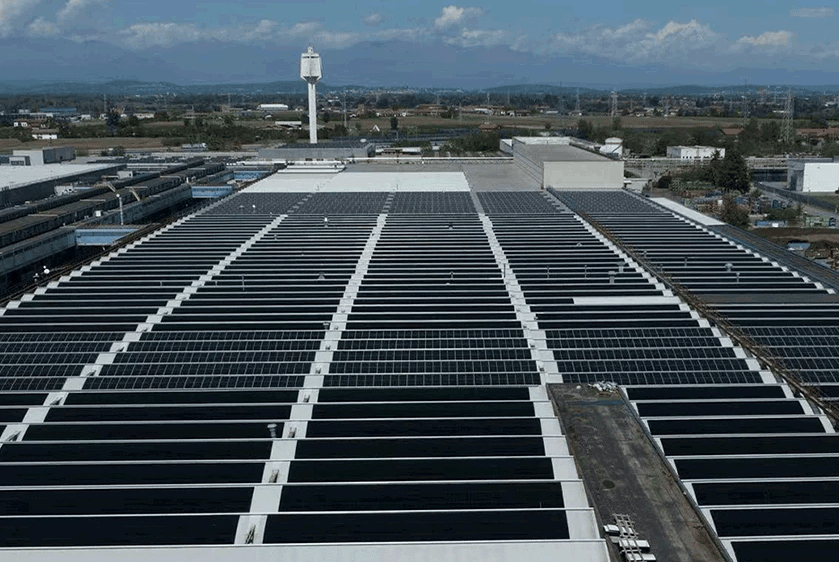
In terms of solar projects, Stellantis is expanding on-site photovoltaic facilities in Europe through partnerships with energy suppliers under an on-site Power Purchase Agreement (PPA) model. Under this model, energy partners manage the entire lifecycle of photovoltaic installations based on the specific energy needs of each plant, transferring ownership to Stellantis after the agreed lease period ends. Currently, 27 European manufacturing sites have completed or are undertaking solar projects, with a total installed capacity exceeding 500 megawatts. Plants such as Tychy, Poland, may achieve a self-consumption rate of approximately 60% by the end of 2026. The Zaragoza plant in Spain has already put into operation a hybrid system combining photovoltaic power generation and on-site wind turbines, with the self-consumption rate expected to rise to 80%. Depending on site configuration, photovoltaic systems are installed on rooftops, carports, or ground areas. Once fully operational, these photovoltaic installations are expected to avoid over 100,000 tonnes of CO2 emissions annually.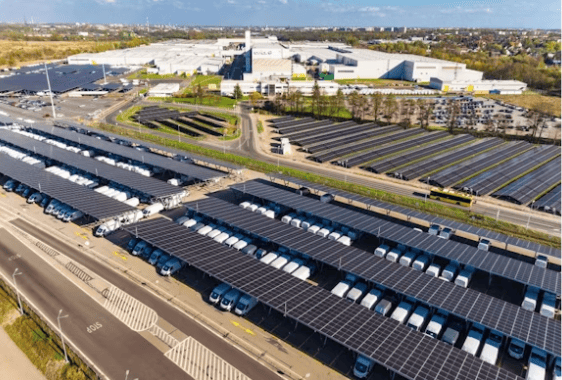
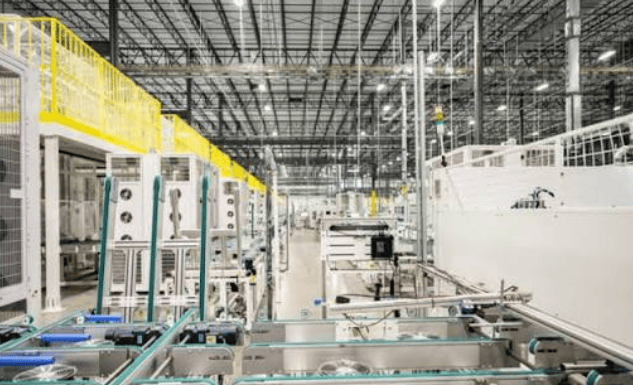
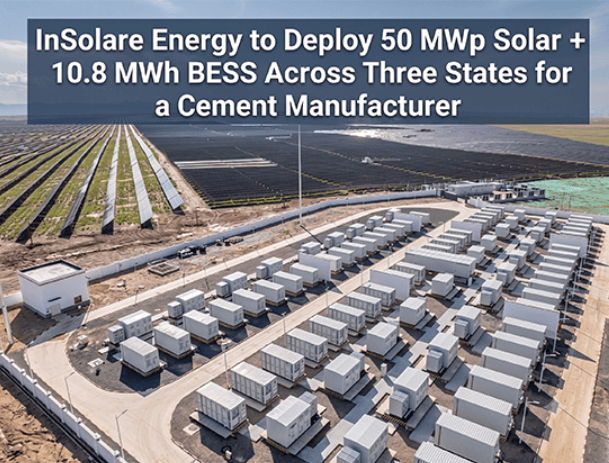
Alongside solar deployment, Stellantis is promoting battery energy storage systems to further optimize energy use and support grid stability. The BESS plan covers 20 manufacturing sites in Europe, with a total storage capacity of approximately 200 megawatt-hours, rolled out in two phases. The first wave is in its advanced stages, with BESS expected to be operational at seven plants by 2026, and deployment at the remaining sites to be completed within three years. These systems are managed by advanced Energy Management Systems (EMS), optimizing battery operation based on energy availability and demand. At plants equipped with photovoltaics, the storage systems maximize solar self-consumption by storing excess electricity. Additionally, these installations can provide grid services in collaboration with local system operators, helping maintain grid stability by adjusting consumption when needed. Stellantis' plant in Madrid, Spain, already operates a battery energy storage system and serves as a pilot facility for scaling and standardizing this solution.
These initiatives complement other energy contracts and decarbonization actions already launched by Stellantis in its global operations. The company is expanding the use of geothermal energy as a low-carbon solution for industrial heating and cooling. The geothermal installation commissioned last year at the Caen plant in France is a world first for Stellantis, providing renewable heat for buildings and cooling for industrial processes, enabling the plant to autonomously meet approximately 30% of its energy needs. Several manufacturing sites are also deploying biomass-based energy solutions to decarbonize industrial heating. These sites include Rennes, France (launching a zero-carbon heating network based on local biomass in 2025), Sochaux and Vesoul in France, Trnava in Slovakia, and Kragujevac in Serbia, where these biomass-based solutions have recently been put into operation.
This article is compiled by Wedoany. All AI citations must indicate the source as "Wedoany". If there is any infringement or other issues, please notify us promptly, and we will modify or delete it accordingly. Email: news@wedoany.com
Related Products
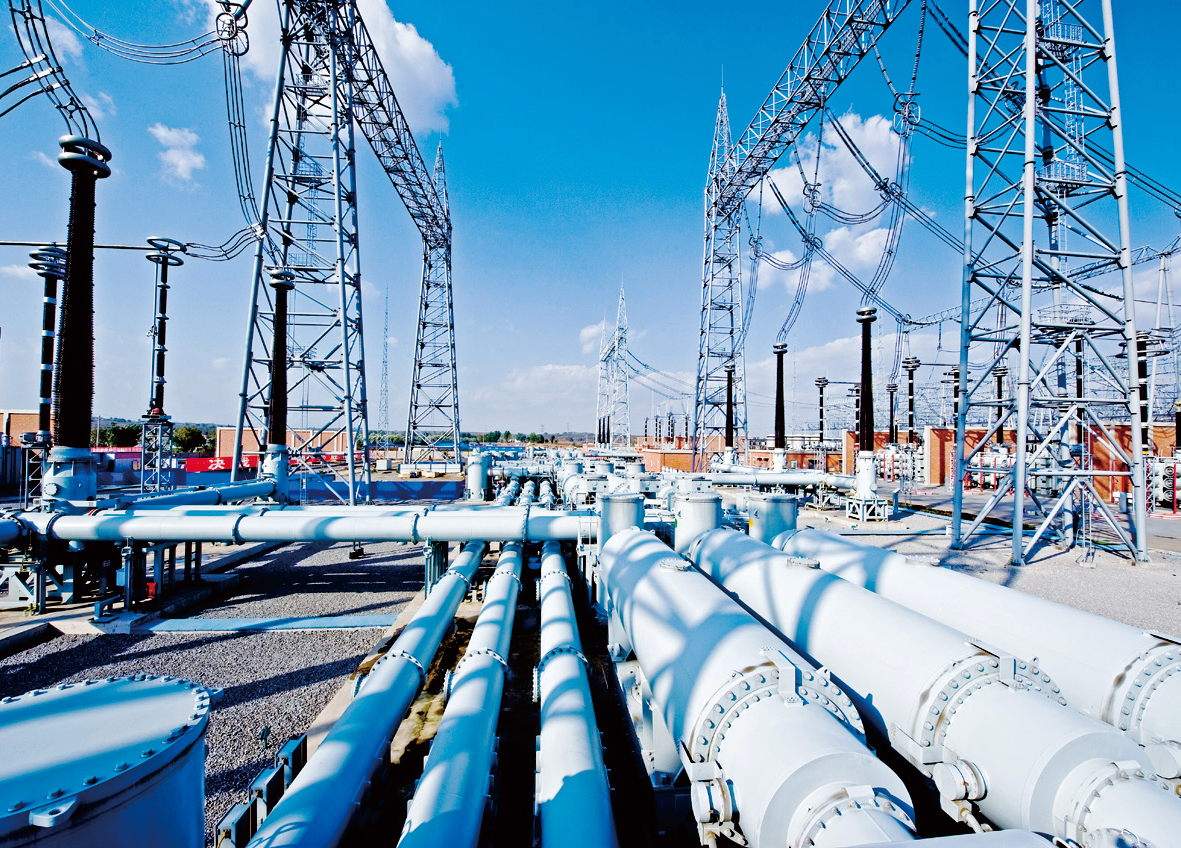

40.5kV-1100kV Gas Insulated Metal-Enclosed Switchgear (GIS)
Henan Pinggao Electric Co., Ltd.

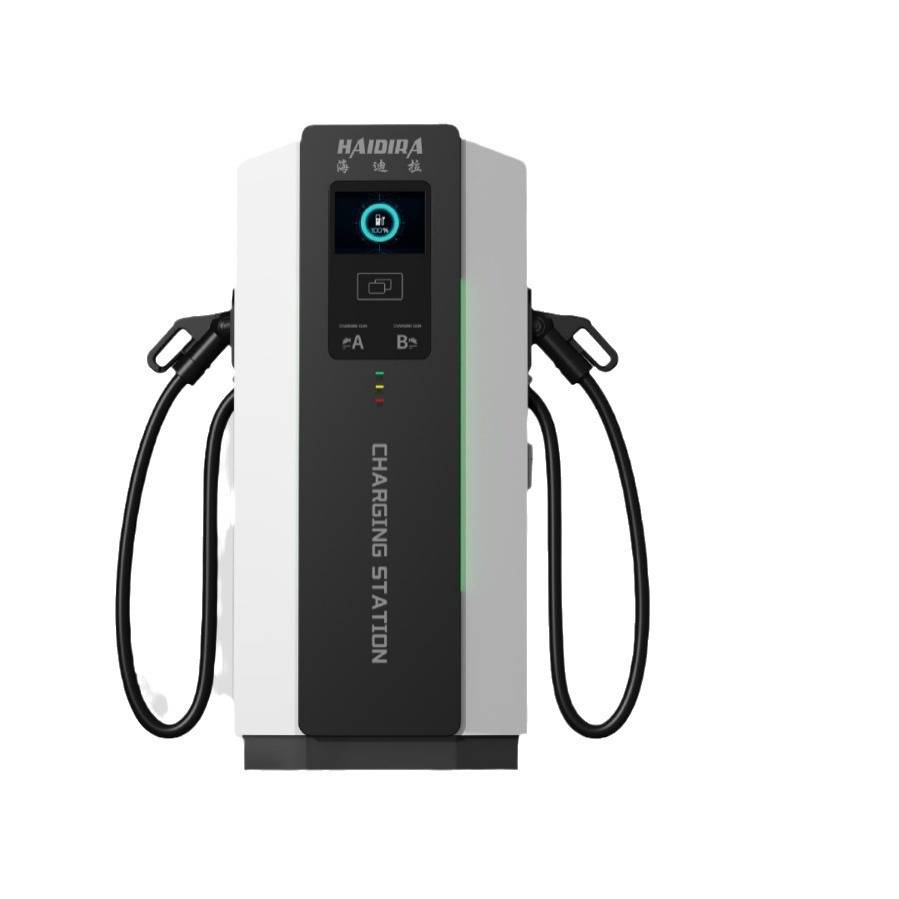
Manufacturer Direct Sales Tesla New Energy Electric Vehicle Universal DC 180kW Dual-gun Charging Pile Commercial Fast Charger
Anhui Haidira Electric Technology Co., Ltd.
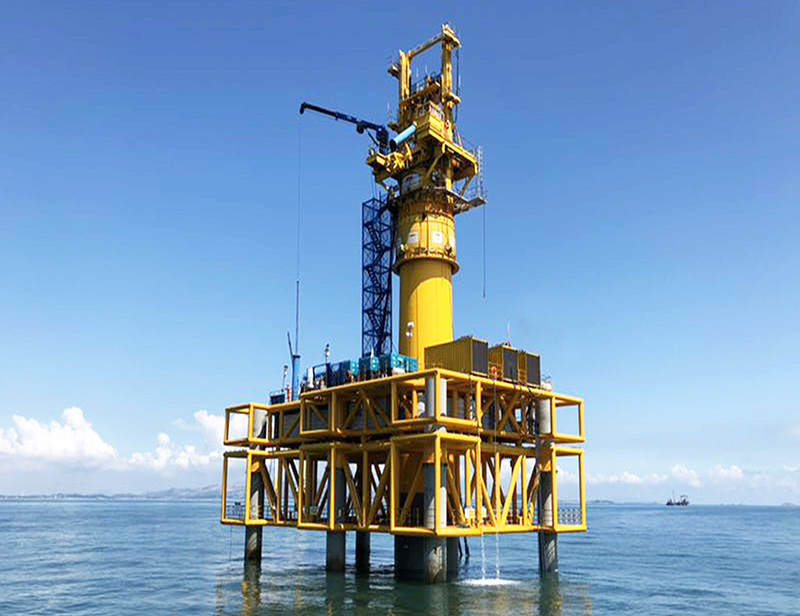
CITIC Heavy Industries Offshore Wind Power Equipment Hydraulic Pile Hammer
CITIC Heavy Industries Co., Ltd.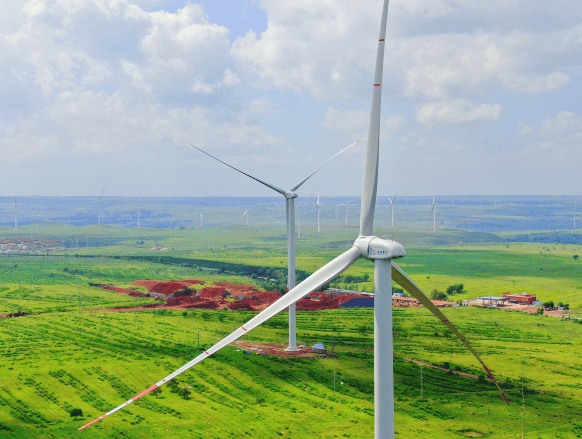
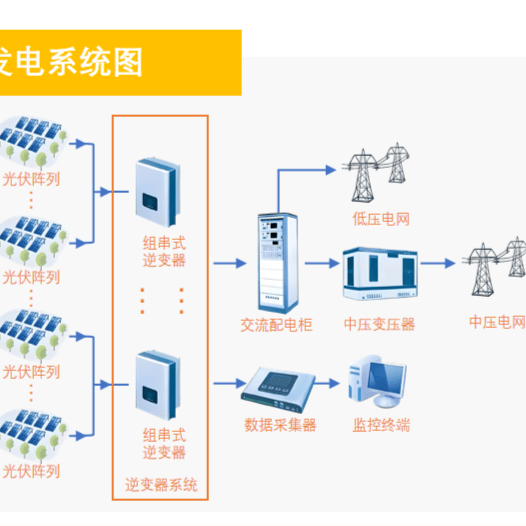
Photovoltaic and Wind Power Generation Technology
Beijing Boqi Electric Power SCI-TECH Co., Ltd.