Brazil's Superior Electoral Court Prepares for 2026 Elections, Restricts AI-Generated Content
en.Wedoany.com Reported - Justice Floriano de Azevedo Marques of Brazil's Superior Electoral Court (Tribunal Superior Eleitoral, TSE) stated that the court is preparing for a broader application of artificial intelligence in the 2026 elections, while acknowledging that new technologies will continue to pose challenges to the electoral process.
During a panel discussion at an event held in Brasília this Tuesday, the justice compared the electoral court's preparations to a nation facing a tsunami: hoping the event does not occur, but must be ready for its possible arrival. He stated that one known factor is that some application challenging electoral legislation will emerge, and electoral institutions will have to learn to deal with it. Floriano noted that the main concern is not the AI technology used by search engines and promotion systems that have existed in the digital environment for years, but rather generative AI capable of producing synthetic images, videos, and audio that simulate real people.
The justice emphasized that one of the main measures adopted by the TSE is the requirement to identify content generated by AI. Candidates may use avatars or automated communication systems, provided voters are informed that they are interacting with content generated or mediated by AI. He cited an example where a candidate using a friendly avatar on social media to communicate with voters is acceptable, as long as voters are aware that the content they receive is mediated by AI to some extent.
Floriano also mentioned a case that occurred during the Buenos Aires mayoral election: a fake video targeting a specific candidate circulated days before the vote. He believes such incidents reinforce the need to establish preventive mechanisms and rapid responses. Measures adopted by the TSE include prohibiting the dissemination of synthetic content from 72 hours before voting until 24 hours after voting ends. This aims to create a protective window to prevent AI-generated false content from influencing voter decisions without sufficient time for rebuttal or verification. This concern extends to the immediate post-voting period, where fake content could be used to question the legitimacy of the electoral process or fuel claims of fraud. He stated that the concern is not about distorting voter choices, but about preventing synthetic content from being used to discredit election results.
Commenting on the role of digital platforms, Floriano stated that the TSE has not adopted a content removal model based on automatic notifications, believing this could stimulate strategic disputes among candidates and harm public debate. The court maintains the necessity for content removal to be decided by the electoral court. However, once a judicial order is received, platforms are obligated to track and remove copies of the same content in other materials. The justice also emphasized the creation of so-called compliance plans, a mechanism requiring platforms to submit to the TSE the procedures they will adopt to comply with electoral rules. The proposal aims to encourage regulated self-regulation, rather than direct state control over digital services. Under the proposed model, each platform must submit its own compliance measures, which will then serve as a reference for the electoral court's oversight.
Regarding AI systems directly recommending candidates to voters, Floriano stated that search tools can list candidates with specific political or programmatic stances, as long as objective information is provided. However, what is not allowed is for applications to instruct voters on whom to vote for. Tools cannot replace voters; this is a situation to be avoided. For the justice, the guiding principle of the electoral court remains unchanged: ensuring citizens have access to as much information as possible while preserving the freedom of their voting choice.
This article is compiled by Wedoany. All AI citations must indicate the source as "Wedoany". If there is any infringement or other issues, please notify us promptly, and we will modify or delete it accordingly. Email: news@wedoany.com
Related Products
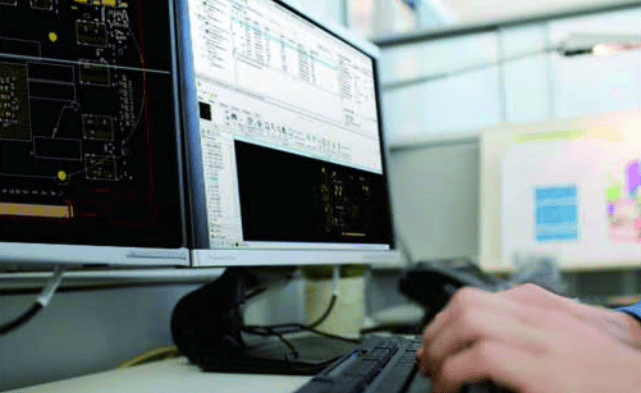


20 Inch 1600*900 Full HD 60Hz TFT LED Monitor with VGA and DP Interfaces for Desktop Computers-Business Use
Guangzhou Zanying Optoelectronics Technology Co., Ltd.
Multi-function Marine Monitoring Low-altitude Detection Radar Sea-air Boundary Ocean Dynamic Environment Measurement
Chengdu Dixin Technology Co., Ltd.

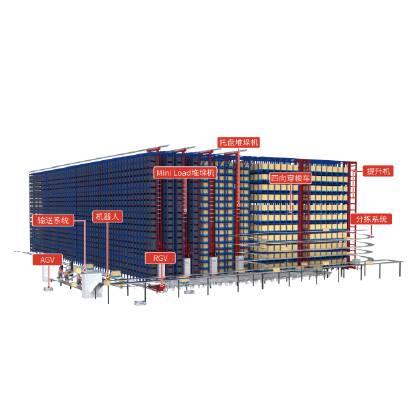




One-Stop Steward Service for the Entire Logistics System Integration Chain
Zhongding Intelligent (Wuxi) Technology Co., Ltd.