Costa Rica's National Banana Corporation Develops Emergency Plan to Address El Niño Impacts
en.Wedoany.com Reported - The Costa Rican National Banana Corporation (CORBANA) reported that the El Niño phenomenon will pose a dual climate challenge for the country's banana industry: the Pacific production zone may face severe drought, while the main production areas in the Caribbean and Sarapiquí are at risk of excessive rainfall and even flooding in the second half of the year.
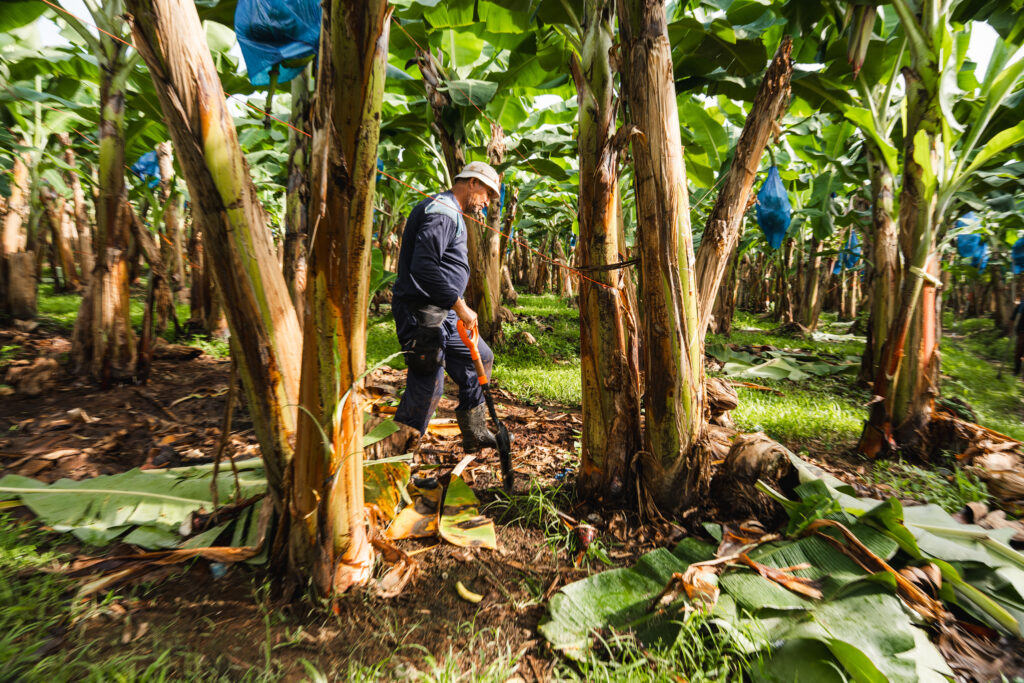
Erick Bolaños, Director of Technical Assistance at CORBANA, stated that excessive rainfall raises the water table in drainage channels, affecting the normal development of banana plant roots and fruit bunches. He explained in a press release that the El Niño phenomenon has historically shown a dual nature in Costa Rica: it dries the Pacific region while making the Caribbean wetter. According to historical data, when moderate or strong El Niño effects occur, production conditions decline. The industry has already suffered from severe El Niño events, such as those in 1997-1998, 2008-2009, 2014-2015, and 2023, during which productivity, measured in boxes per hectare, decreased compared to normal climate years.
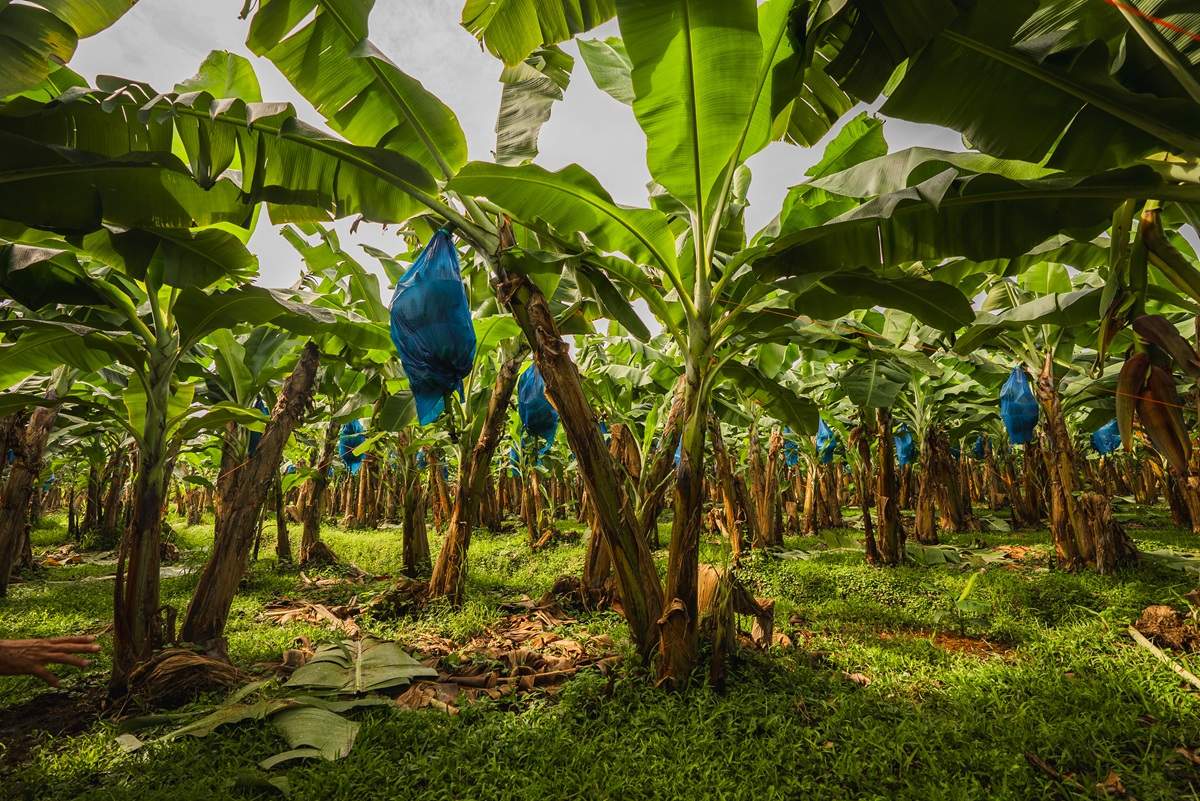
Abnormal climate conditions in recent years have had a cumulative effect on Costa Rica's banana industry. According to Bolaños, increased humidity from early 2024 to early 2025 has promoted infections of Black Sigatoka (Sigatoka Negra), a fungal disease affecting crop leaves that can lead to total plantation loss if uncontrolled. This has resulted in significant fruit losses for all banana companies and impacted revenues, as many bunches originally planned for export in 2025 were not shipped. The effects of climate events typically manifest 10 to 12 weeks later, leading to fruit loss, reduced foliage, and a decline in the number of boxes available for export. In addition to Black Sigatoka, excessive rainfall has increased the risk of Moko disease cases, a bacterial disease caused by Ralstonia solanacearum race 2, which causes rapid plant wilting and fruit loss. Water flowing between plantations during floods is one of the main vectors for the disease's spread.
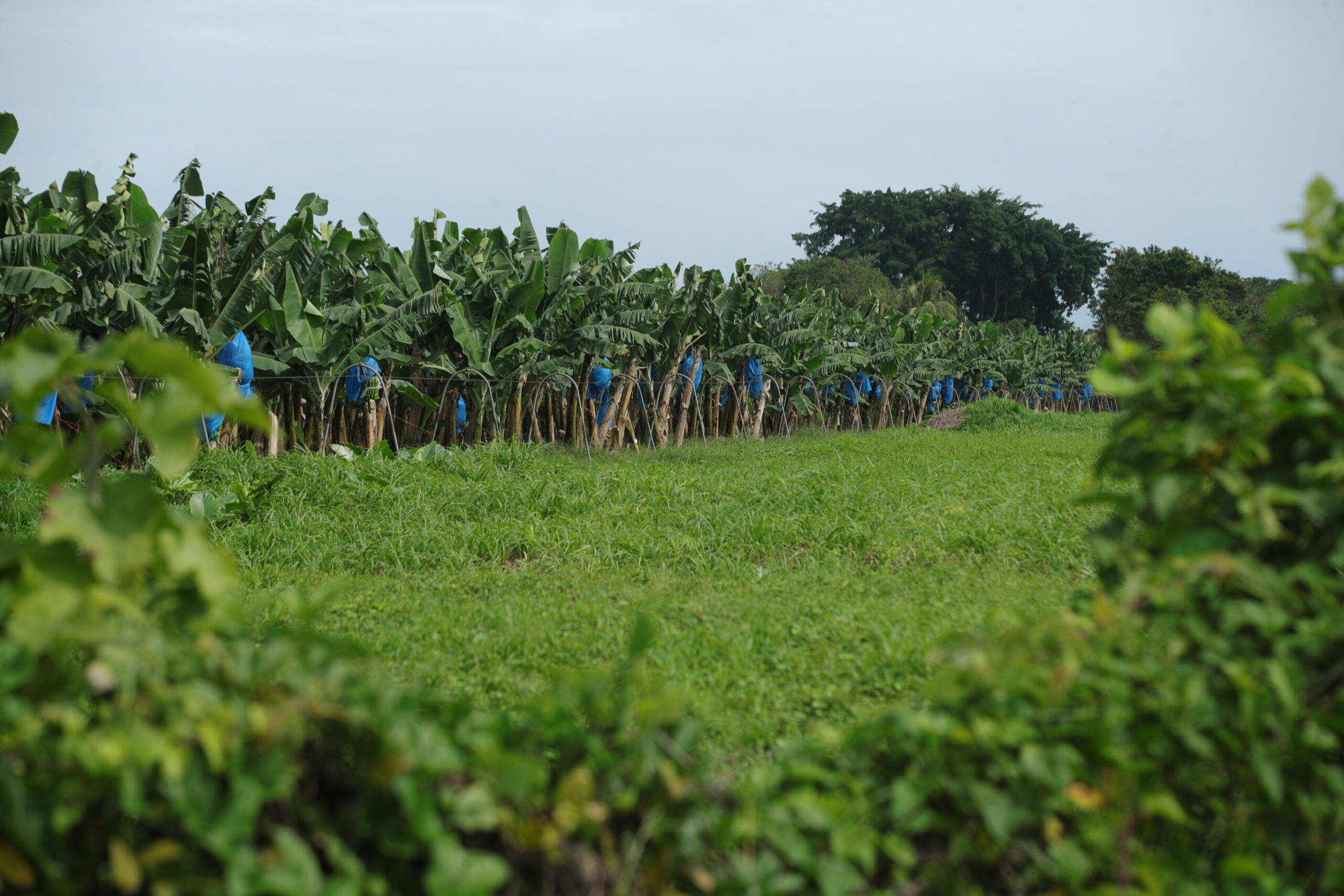
To enhance the banana industry's resilience, CORBANA is coordinating efforts with the Presidency, the Ministry of Agriculture and Livestock, industry representatives, and other agricultural agencies. The institution is developing an emergency plan to address extreme rainfall scenarios. The document will include preventive measures and crop management recommendations and will be officially released in the coming weeks. Practices promoted by CORBANA include maintaining drainage systems, building dikes and protective structures in vulnerable areas, and implementing vegetation cover to reduce erosion processes and mitigate flood impacts.
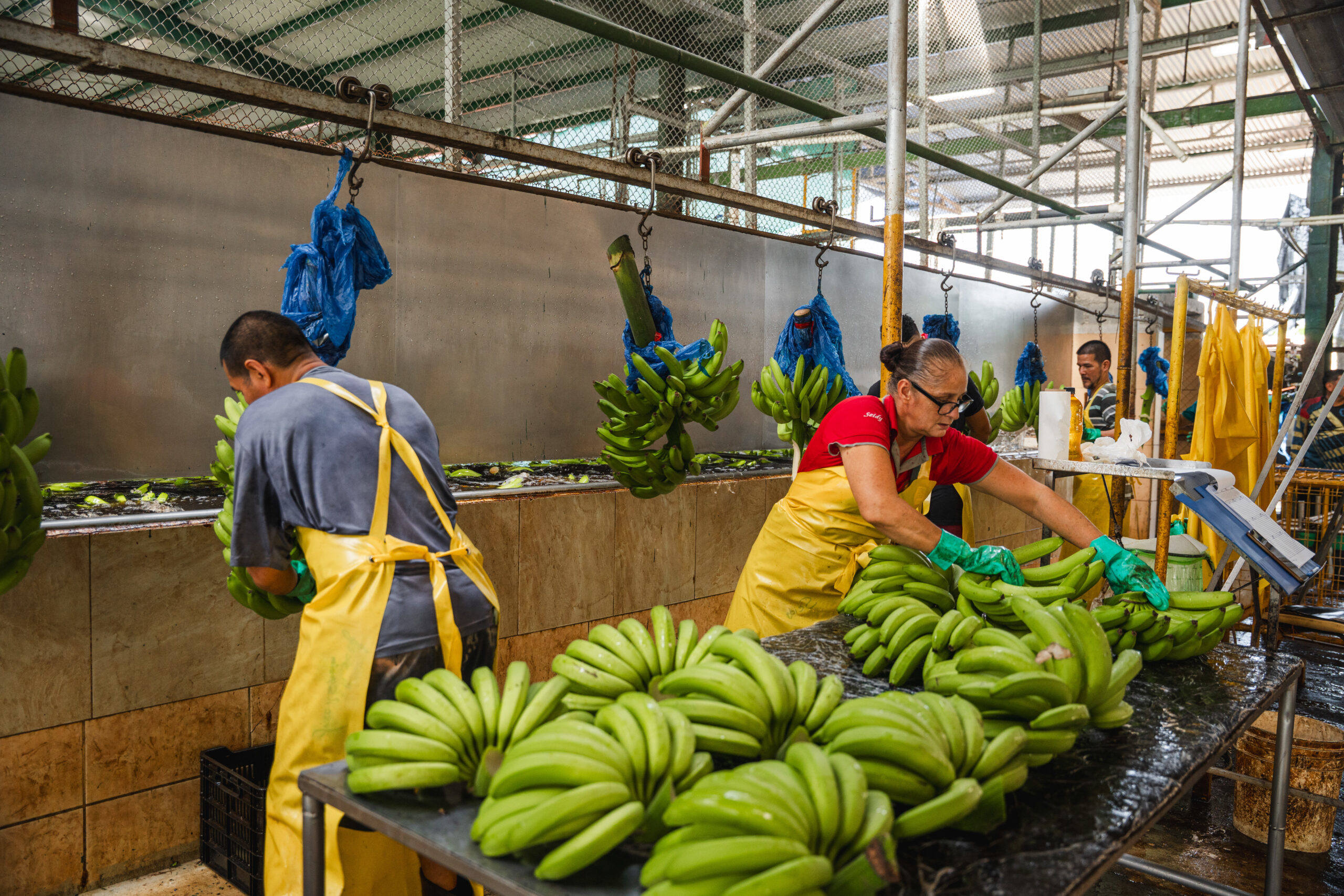
Through the Prevention and Infrastructure Special Fund (FEPI), the institution, together with state entities and local governments, promotes technical research, prioritizing infrastructure projects aimed at preventing and rehabilitating areas affected by floods, including farms and nearby communities. Additionally, CORBANA operates the Banaclima project, a tool that monitors meteorological variables in real time through a network of stations strategically located on the Caribbean slope, generating more accurate forecasts and supporting decision-making at production units. As Costa Rica's banana industry strives to recover production levels from the impacts of recent diseases and weather events, it faces new climate challenges. The evolution of El Niño will determine the export performance of one of the country's main agricultural products.
This article is compiled by Wedoany. All AI citations must indicate the source as "Wedoany". If there is any infringement or other issues, please notify us promptly, and we will modify or delete it accordingly. Email: news@wedoany.com
Related Products





714CD Series C-Band Weather Radar
Chengdu Zhongdian Jinjiang Information Industry Co., Ltd.
4HS-8 High-efficiency Peanut Inverted-laying Harvester
Hebei Yongfa Hongtian Agricultural Machinery Manufacturing Co., Ltd.
Industrial and Commercial Point-Type Gas Detector
Jinan Benan Technology Development Co., Ltd.