Russia's Annual Unmanned Systems Production Capacity Reaches Approximately 15 Million Units
en.Wedoany.com Reported - Russian government and industry officials have stated that the country's annual production capacity for unmanned systems has reached approximately 15 million units. Since the outbreak of the war in Ukraine, Russia's unmanned aerial vehicle sector has expanded rapidly, with domestic manufacturing capabilities covering first-person view (FPV) attack drones, tactical reconnaissance drones, loitering munitions, and larger unmanned aerial vehicles. Russian officials claim that the daily production of FPV drones alone exceeds 15,000 units, compared to a monthly production of approximately 15,000 units in 2023.
Data released by the Federal State Statistics Service of Russia and cited by international media shows that in April 2026, the country's aviation industry output increased by 117% year-on-year, with drone production accounting for the majority of the growth. The scale of drone manufacturing has become a core factor in the Ukraine conflict. Assessments released by Ukraine in 2026 indicate that Russian industry could produce over 7 million FPV drones that year. Although the assessments from both Russia and Ukraine differ in methodology and scope, they both point to an annual production volume in the millions.
The rapid growth in FPV manufacturing has been accompanied by a continuous expansion in the production of larger loitering munitions. One of the most widely used systems is the Lancet series developed by ZALA Aero, a subsidiary of the Kalashnikov Group. Following the launch of a new generation of Lancet designs in 2025, updated versions have entered production, with factories in Izhevsk reportedly manufacturing multiple configurations. Russian industry continues to develop other loitering munition projects, including the KUB series. Recent variants are said to be capable of operating in electronic warfare environments and support integration with reconnaissance and strike networks.
Russian industry data indicates that the domestic drone sector currently comprises approximately 200 companies, supported by 29 specialized research and production centers. In addition to established defense manufacturers, many small enterprises have entered the market as suppliers of reconnaissance drones, FPV attack systems, and fiber-optic-controlled drones designed to mitigate the effects of electronic warfare. Manufacturers are also investing in technologies to enhance the survivability and combat effectiveness of unmanned systems, with development areas including mesh network communications, alternative control architectures, and satellite communications supporting beyond-line-of-sight operations.
Russian defense companies are focusing on networked combat concepts. In April 2026, Rostec announced the completion of preliminary tests of a collaborative attack drone system based on the improved Supercam drone. According to the company, during the tests, the aircraft exchanged target information, and onboard algorithms assisted in target identification and mission allocation. In the tests, a single operator was able to supervise up to 10 loitering munitions, reflecting broader efforts to enhance the autonomy of attack drones and reduce operator workload.
Manufacturing capacity has become a key indicator of the performance of Russia's defense industry, but battlefield effectiveness still depends on factors such as component availability, logistics, electronic warfare resistance, and the ability to sustain high production rates over the long term. Current estimates suggest that both Russia and Ukraine are operating in a modern warfare environment where unmanned systems are being produced and consumed on an unprecedented scale.
This article is compiled by Wedoany. All AI citations must indicate the source as "Wedoany". If there is any infringement or other issues, please notify us promptly, and we will modify or delete it accordingly. Email: news@wedoany.com
Related Products

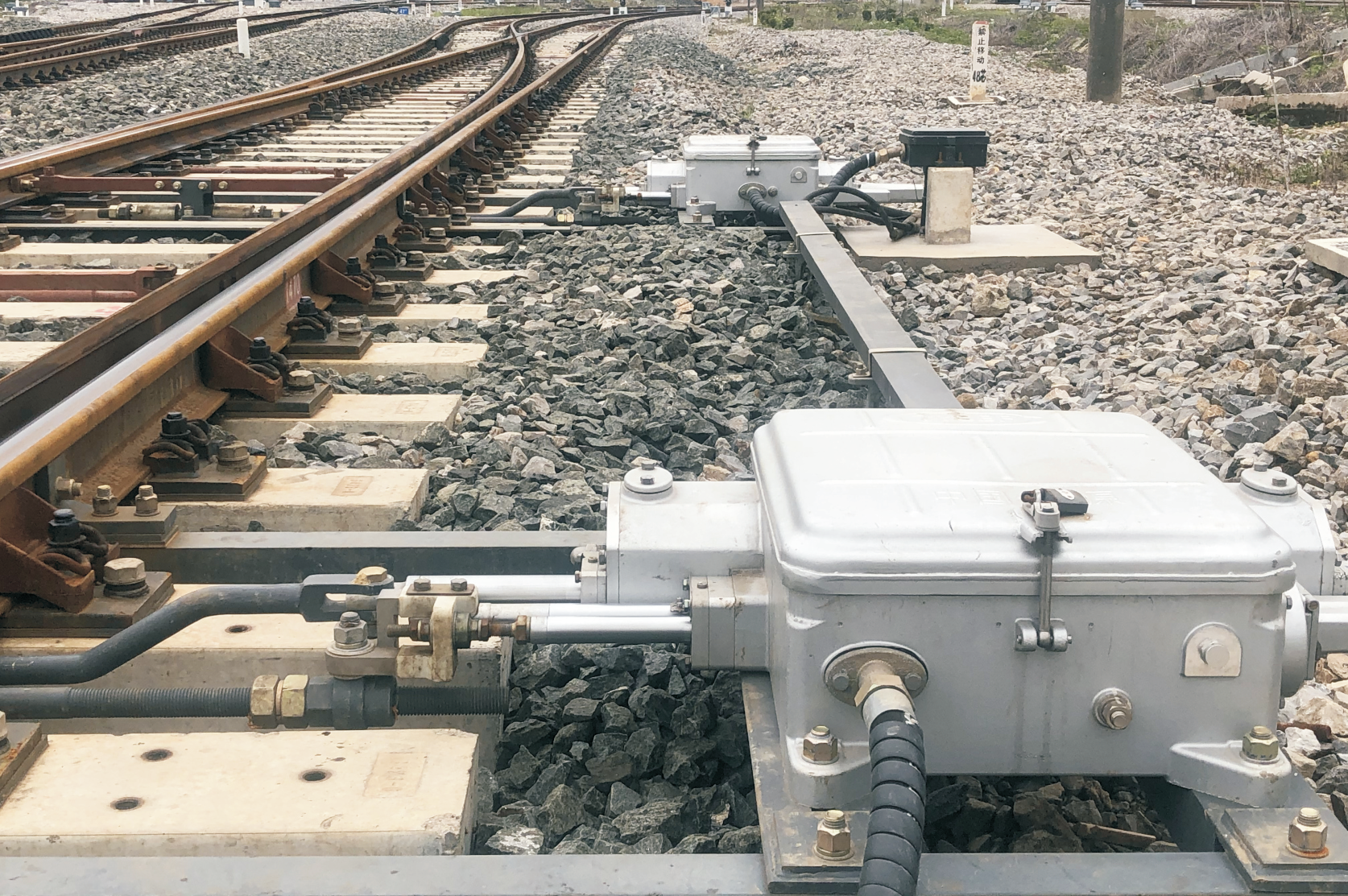
ZY(J)7(M) Sealed Type Electro-Hydraulic Turnout Machine
TAIYUAN CR JINGFENG EQUIPMENT TECHNOLOGY CO., LTD.
![IVECO Cash-in-Transit [DMT5048XYCL3-AM] - Chongqing Dima Industry Co., Ltd](https://img.wedoany.com/2026/0911/20260911030157582.png)
CLW5180TXSD6 Dongfeng Tianjin Washing and Sweeping Truck
ChengLi Special Automobile Co., Ltd.
Industrial and Commercial Point-Type Gas Detector
Jinan Benan Technology Development Co., Ltd.