AVIC scientists achieve breakthroughs in helicopter anti-icing and de-icing technologies
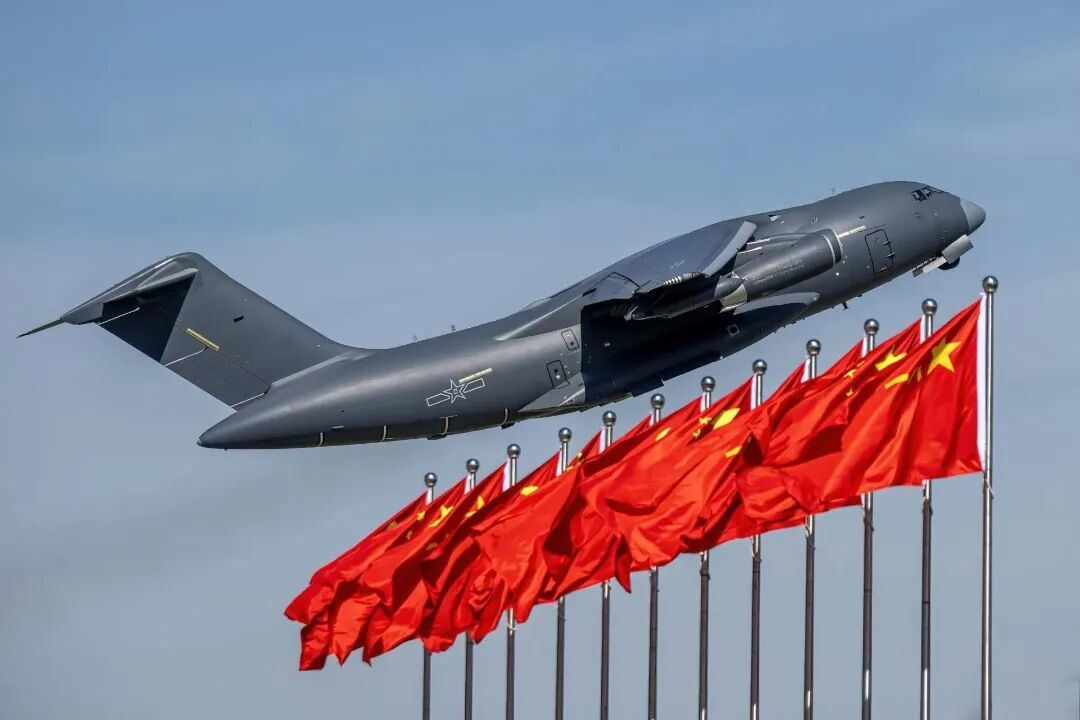
en.Wedoany.com Reported - Several scientists and engineers from the Aviation Industry Corporation of China (AVIC) recently shared their independent innovation practices in fields such as helicopter anti-icing and de-icing technology, aircraft design, process manufacturing, simulation systems, and intelligent manufacturing, collectively showcasing the progress of the aviation industry in tackling key technologies and their engineering applications.
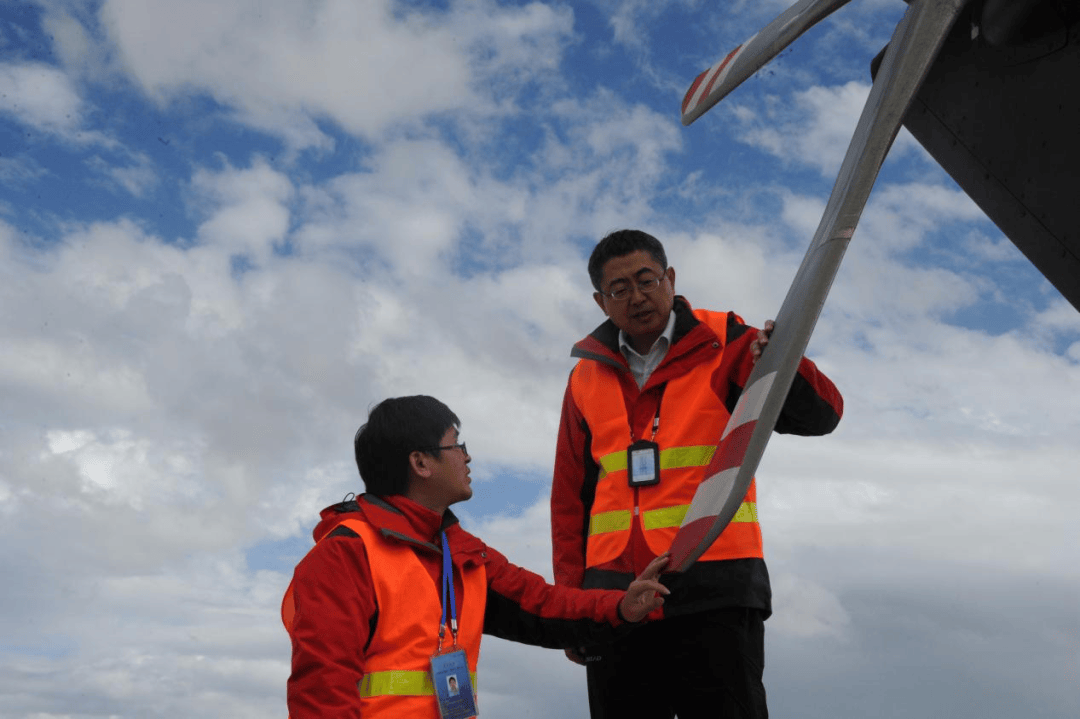
Deng Jinghui, Chief Designer of the Helicopter Research Institute, recounted the team's experience in overcoming helicopter anti-icing and de-icing technology. After the Wenchuan earthquake, targeting the monopoly of imported helicopters in plateau rescue scenarios and the limitations of domestic helicopters due to the lack of anti-icing and de-icing technology, the team conquered this challenge in 20 months. They recorded data at a test site with temperatures of minus 45 degrees Celsius and completed flight test monitoring at a plateau base at an altitude of 5,000 meters. The self-developed heating components passed ice wind tunnel tests and underwent system validation in real icing conditions, with test pilots braving danger three times. The decision to eliminate mechanical backups in the fly-by-wire control system of the Z-20 was based on over a decade of technological accumulation. After the test flights, a pilot remarked: "In the past, when I saw suspicious clouds, I would fly around them. Now, we chase the icing clouds!"
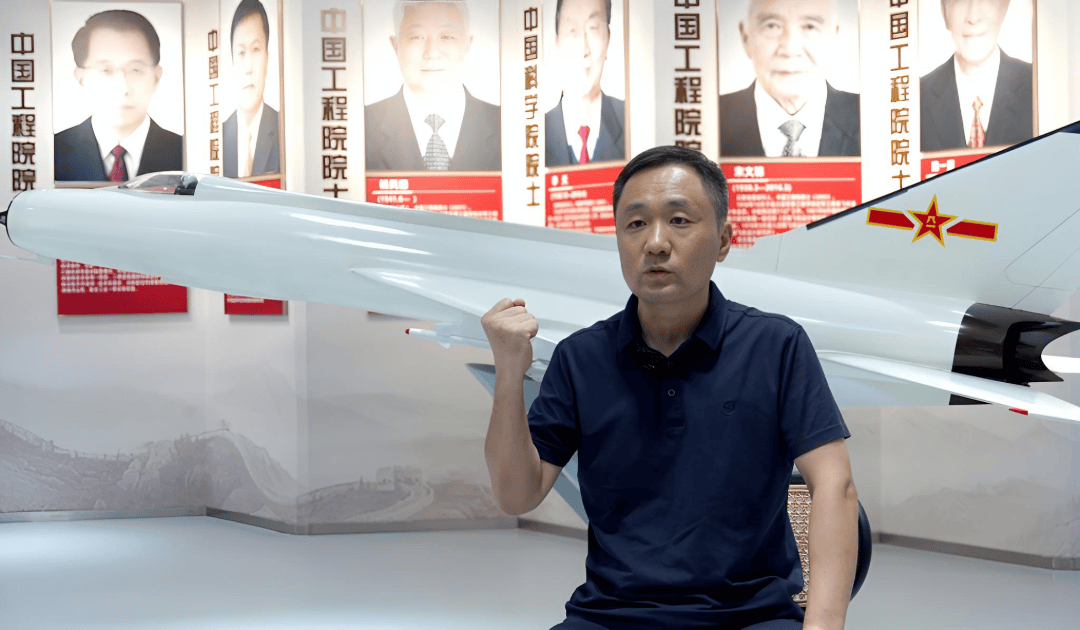
The Chief Designer of AVIC's Chengdu Aircraft Design Institute shared his experience participating in the development of models such as the JF-17 Thunder, J-10, unmanned aerial vehicles, and J-20. His specialty was founded by Academician Song Wencong and plays a crucial role in pioneering research such as aircraft tactical technical demonstration. Facing the challenge of diversified directions in equipment technology development, the team will focus on opportunities brought by technological changes in emerging fields like artificial intelligence, quantum technology, and new energy, taking the older generation of aviation professionals as role models to explore leading development paths.
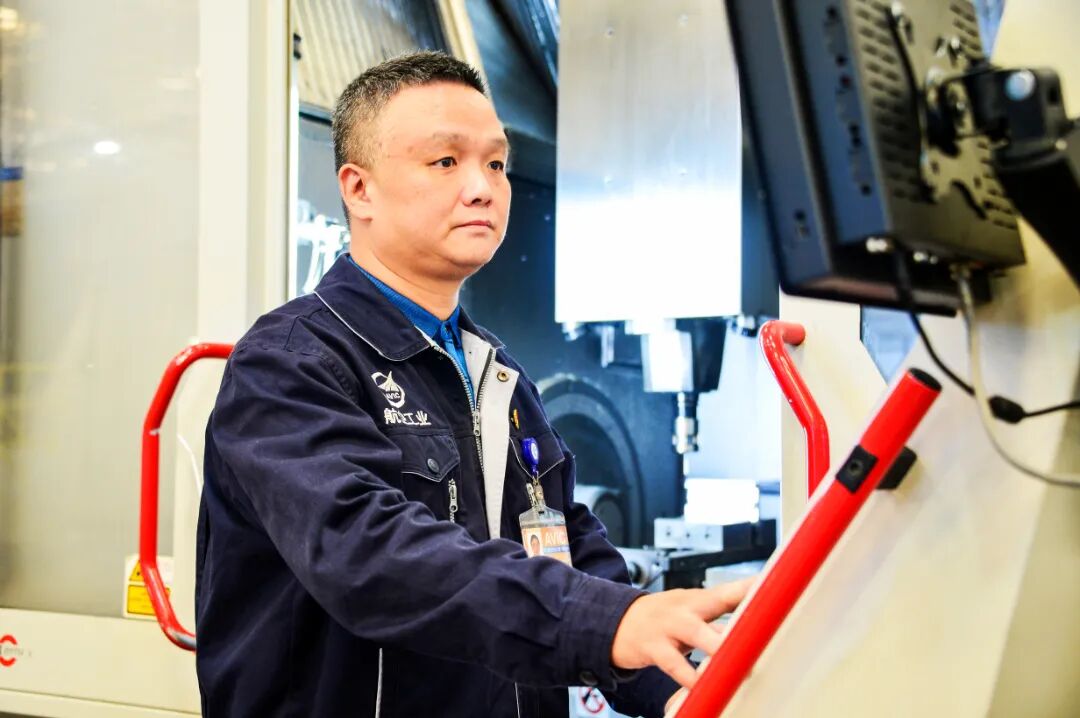
Xiong Xiyao, Chief Process Engineer of AVIC's Changhe Aircraft Industry (Group) Corporation Ltd., and his team, rooted in the production frontline, successfully overcame key technologies for efficient machining of aviation structural components through repeated trials and iterations, increasing production and processing efficiency by over 50%. The intelligent manufacturing workshop for helicopter rotor systems, led by Xiong Xiyao, achieved the goal of "factory construction, production line validation, and batch production within the same year" without mature experience to follow, and also conquered the challenges of building flexible production lines for aviation connectors.
Liu Dong, a key designer from AVIC's Shenyang Aircraft Design Institute, and his team took on the task of developing a support simulation system in 2006, targeting the then-latest and most advanced HLA (High-Level Architecture). They discussed simulation requirements during the day and studied foreign technical specifications on their own at night. Three years later, the team developed the most advanced military aircraft support simulation system in China. Liu Dong's team also developed Prognostics and Health Management (PHM) software, pioneering a "test flight-algorithm double helix" development model: test flights during the day, model iteration at night, and the new software version ready for deployment the next morning. This software filled a gap in the institute's onboard enhanced fault diagnosis systems.
Zhu Shaowei, a Senior Engineer from AVIC's Chengdu Aircraft Industrial (Group) Co., Ltd., and his team are dedicated to building a "lights-out factory" for complex aviation structural components and assemblies. They have broken through supporting technologies such as intelligent control of production lines and workshops, and intelligent real-time monitoring of machining processes, establishing an intelligent manufacturing workshop for complex aviation structural components composed of dozens of machines. This workshop was selected as one of the first national-level excellent smart factories. The team also overcame technologies for high-precision efficiency detection and compensation, building multiple flexible production lines.
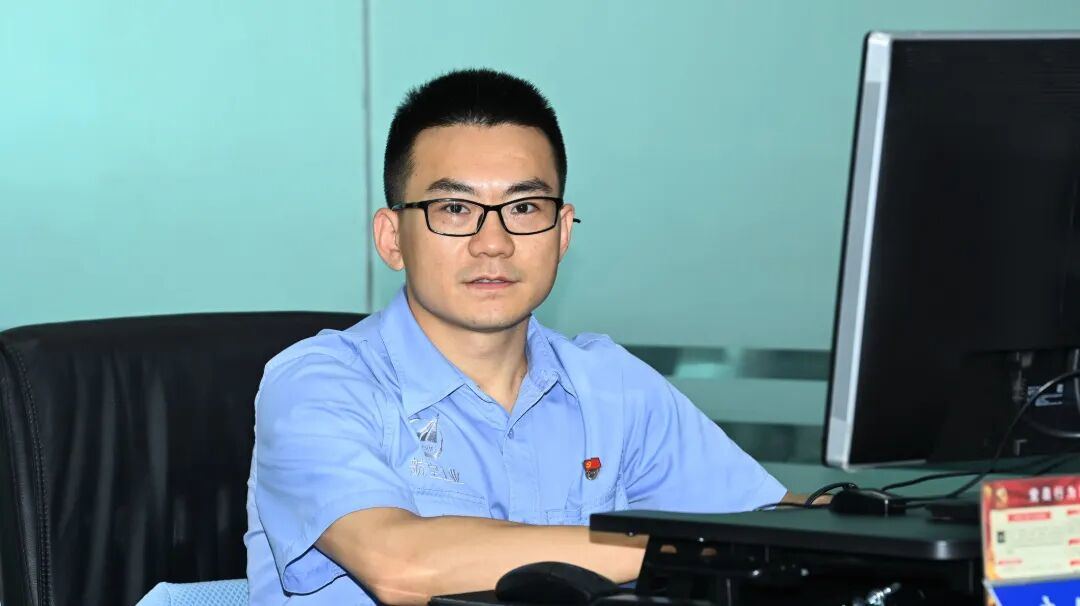
Liang Zeming, Chief Artificial Intelligence Engineer at AVIC's Xi'an Aircraft Industry Group Company, independently designed and developed a function for sending machine tool control program codes, reducing the time operators spend transferring programs. He stated that core key technologies cannot be obtained through requests, purchases, or begging, and the team will continue to empower engineering practice through technological innovation, striving to overcome "bottleneck" technologies.

This article is compiled by Wedoany. All AI citations must indicate the source as "Wedoany". If there is any infringement or other issues, please notify us promptly, and we will modify or delete it accordingly. Email: news@wedoany.com
Related Products

China - Alashankou/Khorgos - Europe Full Range Transportation (Mala/Hamburg/Duisburg/Budapest, etc.)
Shenzhen Neptune Logistics Co., Ltd.
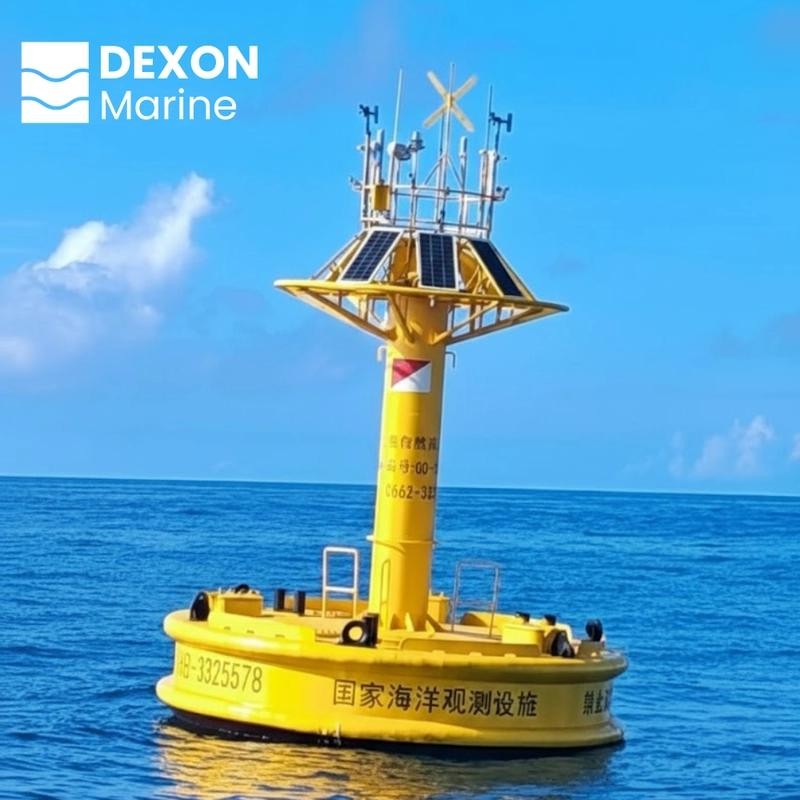
3m intelligent buoy combining navigation safety and real-time marine monitoring integrated navigation and marine monitoring system for real-time maritime data
Chengdu Dixin Technology Co., Ltd.
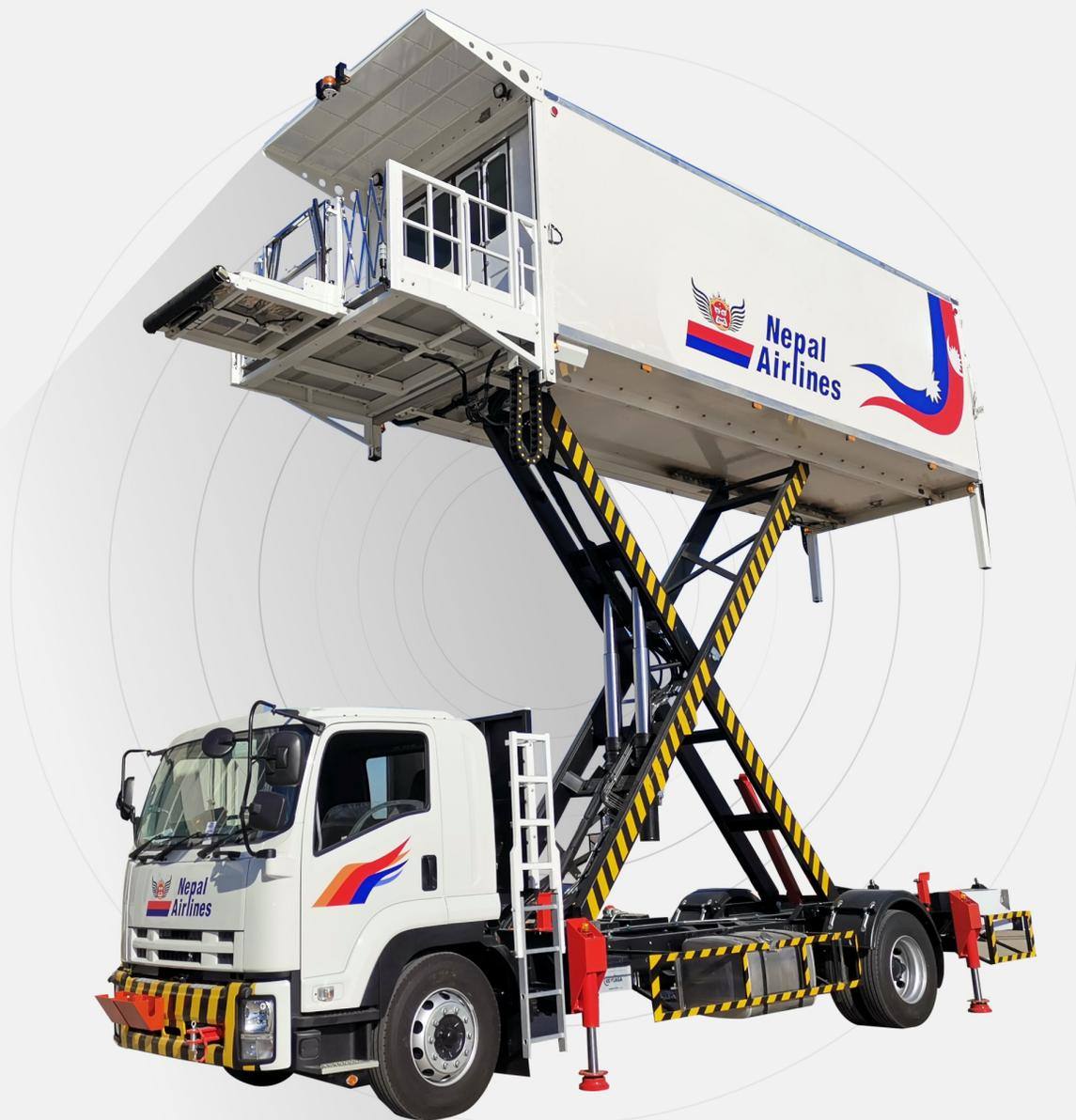
XC-6000e Type Aviation Catering Truck (Fuel Type)
Shenzhen CIMC-TianDa Airport Support Ltd.
Pantograph-Catenary Comprehensive Detection Device (1C)
CHENGDU TANGYUAN ELECTRIC CO., LTD.