en.Wedoany.com Reported - Dimension Network News: According to the Dimension Overseas Daily Report for June 10, news in the transportation and logistics sector indicates that the focus of competition in the global transport and logistics market is shifting from "whether there is capacity" to "whether one can control channels, nodes, data, fulfillment, and project delivery." The news on this day is not merely about isolated changes in shipping routes, railways, airports, or dedicated lines; rather, it collectively points to a deeper industrial proposition: the overseas expansion of transport and logistics is entering a phase of systemic organizational capability. Relying solely on low-cost transportation, single-point equipment supply, or traditional EPC contracting is no longer sufficient to penetrate the real barriers of overseas markets.
The first signal comes from the digitalization of ports and border logistics. Indian Home and Cooperation Minister Amit Shah Launches Unified Digital Platform for Land Ports shows that India is upgrading its land port management system into a unified platform covering slot booking, payment, tracking, customs clearance, multi-agency coordination, and data exchange with private operators. The value of such projects lies not in individual software systems, but in transforming border ports from traditional manual processes into a "trade channel operating system." For Chinese enterprises, this means that smart ports, customs data interfaces, vehicle identification, warehouse scheduling, cross-border payments, customs clearance coordination, and security supervision systems will become important entry points for overseas transport and logistics construction. However, the entry barriers will also significantly increase, as clients no longer want isolated systems but comprehensive solutions capable of integrating governments, customs, border inspection, logistics companies, and trading entities.
The second signal comes from the contraction and restructuring of shipping networks. German Hapag-Lloyd to Suspend Central America CCM Service in July indicates that global shipping companies are actively compressing coverage on certain feeder routes, concentrating capacity on corridors with more stable cargo volumes and more controllable returns. For export enterprises, this means that lower freight rates in certain regional markets do not necessarily equate to easier access. Instead, reduced routes, longer transit paths, increased land-based connections, and rising surcharges may amplify fulfillment uncertainty. The core capability for overseas transport and logistics is shifting from "finding a ship" to "designing a set of substitutable multimodal transport routes." Logistics companies with overseas warehouses, port resources, trunk line partnerships, last-mile networks, and exception handling capabilities will be more competitive than service providers that rely solely on carrier space.
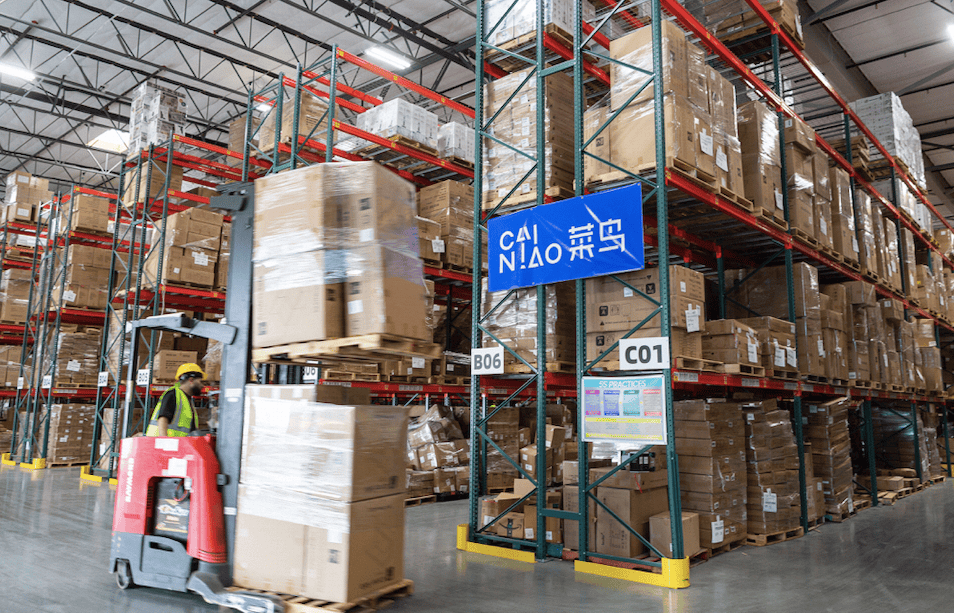
The third signal comes from the accelerated deployment of Chinese cross-border fulfillment enterprises at overseas nodes. Cainiao Launches Two US Dedicated Lines to Support World Cup Cross-Border Logistics shows that Chinese logistics companies are integrating industrial cluster exports with overseas event economies, peak e-commerce demand, and regional fulfillment networks. The peak orders for Yiwu sporting goods, fan merchandise, and small light items targeting the US, Canada, and Mexico markets are not just about consumer goods exports; they represent a systemic test of distribution centers, port customs clearance, last-mile delivery, price stratification, and time-definite commitments. Cainiao's combination of the US Priority Small & Light Dedicated Line, California Dedicated Line, and US-to-Mexico G2G cross-border service to handle event orders demonstrates that the next phase of Chinese logistics companies' overseas expansion is not a simple replication of domestic express models. Instead, it involves building tiered products around overseas demand nodes: high timeliness, high cost-effectiveness, regional allocation, cross-border transshipment, and local delivery need to be broken down into different service packages.
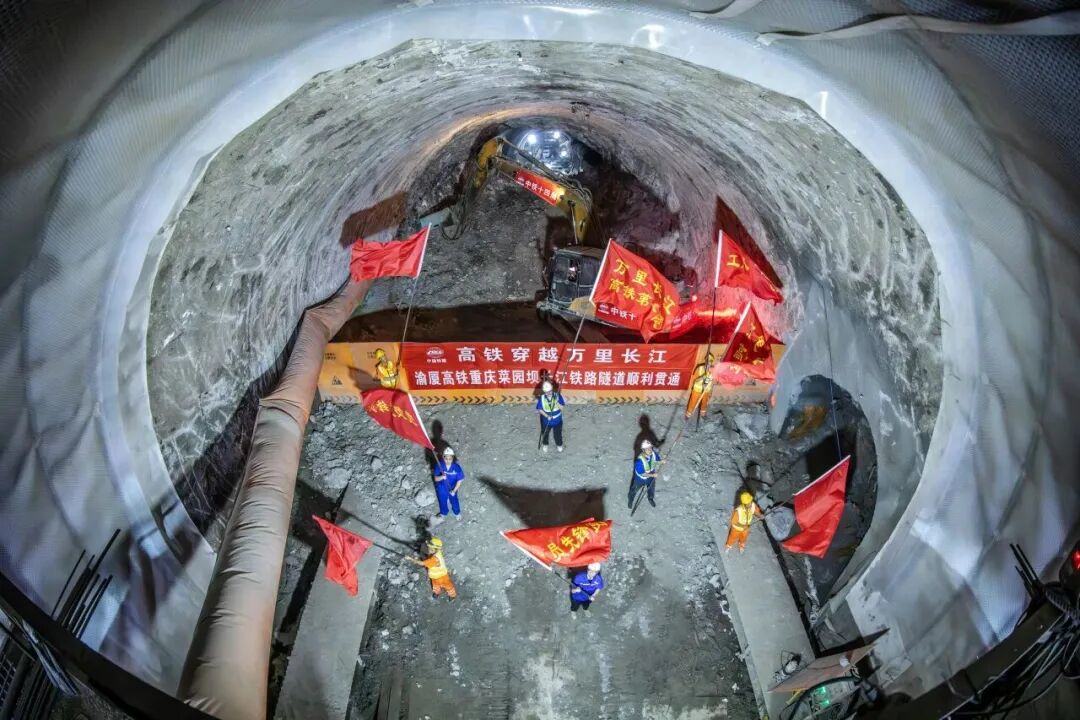
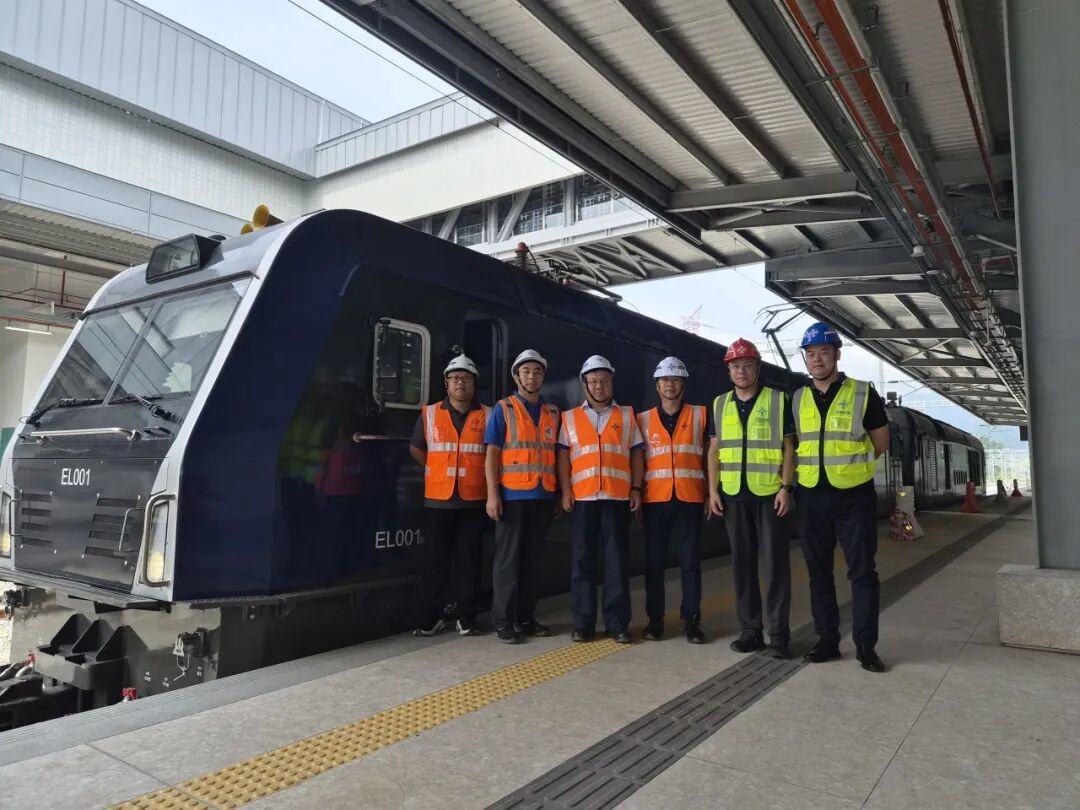
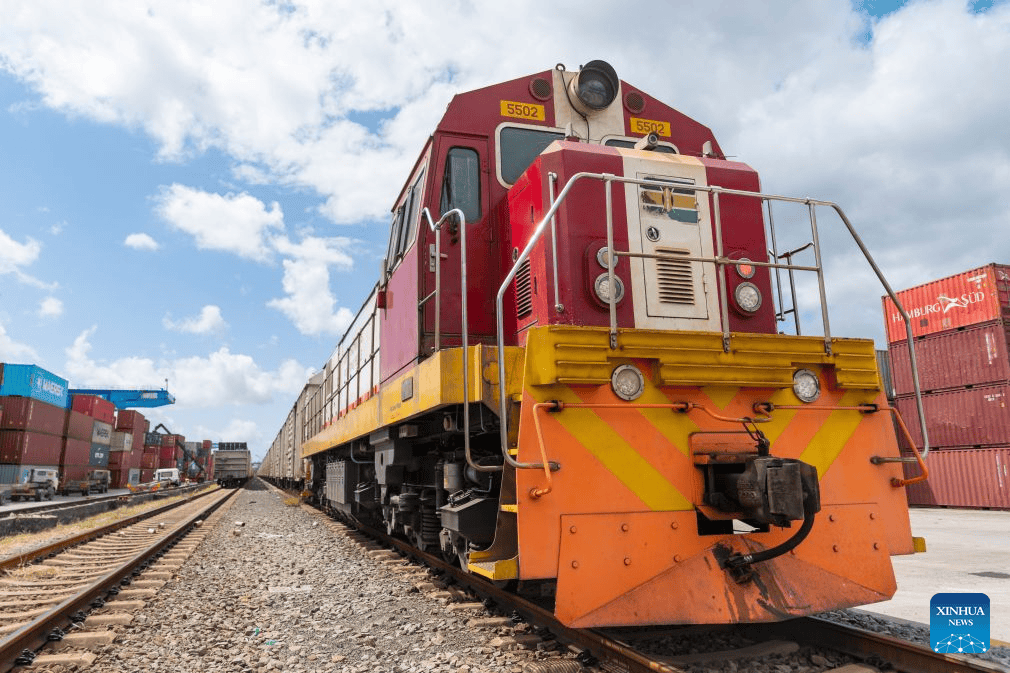
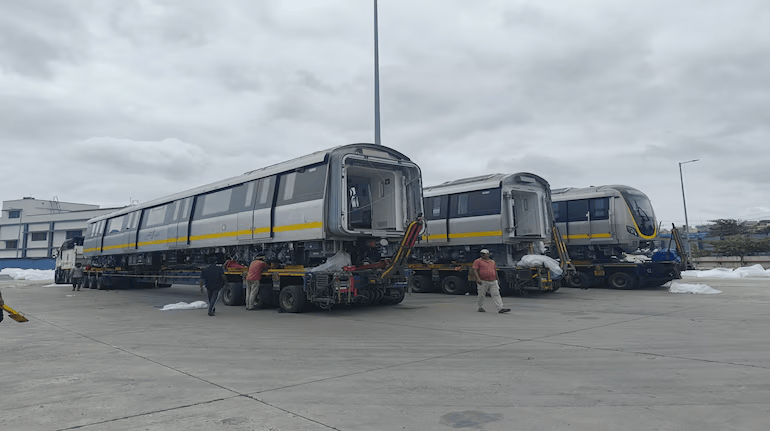
The fourth signal comes from the engineering framework of overseas rail and urban transit projects. Graham Construction Awarded Piling and Road Contract for Calgary Green Line LRT in July, India's RVNL Advances 111 km Railway Doubling Project in Maharashtra, and UK's Costain Selected for Transport for London's £700 Million Infrastructure Framework collectively indicate that railway, LRT, and urban transit renewal have not stopped. However, procurement methods place greater emphasis on local qualifications, long-term frameworks, phased construction, supply chain management, and delivery reliability in complex environments. The Canadian project emphasizes piling, road modification, and bridge foundation work; the Indian project focuses on a 111 km railway doubling line to enhance freight and passenger capacity; the UK project organizes design, construction, and supply chain under a £700 million infrastructure improvement framework. This creates opportunities for Chinese rail transit equipment, turnouts, bridge components, communication signals, intelligent dispatching, cables, electrical systems, and engineering subcontractors. However, the entry method is more likely through supply chain embedding, consortium partnerships, local partner collaboration, and subcontracting services, rather than securing the main EPC contract independently.
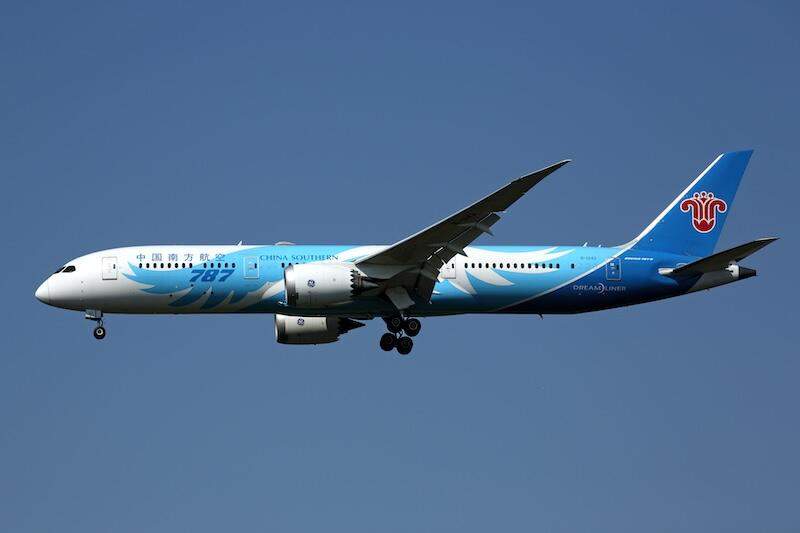
The fifth signal comes from the competition for high-end and ultra-long-haul capabilities in the aviation market. Qantas Orders 12 A350-1000ULR Aircraft for Delivery in 2027 reflects the reconfiguration of the air transport network's requirements for ultra-long-range direct flights, premium cabins, airport support, maintenance training, and spare parts supply capabilities. Ultra-long-haul routes like Sydney-London and Sydney-New York are not just airline branding exercises; they also drive demand for supporting services such as ground handling, flight simulator training, cabin service, spare parts, catering, health zone design, and digital passenger management. For Chinese aviation support companies, airport equipment manufacturers, and aviation service providers to participate in such markets, they must understand constraints related to airworthiness certification, international airline supplier准入, after-sales responsiveness, and long-term service records.
From these signals, it is clear that the main theme of overseas transport and logistics expansion is changing. In the past, many enterprises understood overseas transport markets as "building roads, constructing ports, selling vehicles, operating ships, and shipping goods." However, the real opportunities now lie in channel organization capabilities. The digitalization of Indian land ports shows that the regulatory side is demanding customs clearance efficiency and data transparency; Hapag-Lloyd's suspension of the Central America route shows that the shipping side is optimizing network returns; Cainiao's North America dedicated lines show that the fulfillment side is reshaping route products based on order structures; transport projects in Canada, India, and the UK show that the engineering side is organizing procurement based on local rules and long-term frameworks; Qantas's ultra-long-range aircraft shows that the aviation side is reshaping competition through high-end networks and high-reliability support capabilities.
For Chinese engineering enterprises, overseas transport infrastructure opportunities still exist. However, project thresholds have extended from construction capability to understanding local rules, financial arrangements, environmental approvals, traffic management, public communication, and lifecycle maintenance. Projects like LRT, railway doubling, highways, bridges, ports, and border posts are often not one-time constructions but are released in phases: preliminary feasibility studies, foundation work, main line construction, system integration, operations, and maintenance. If Chinese enterprises focus only on EPC contracts, they may miss numerous subcontracting opportunities for equipment, materials, construction machinery, intelligent systems, and O&M services.
For Chinese equipment and system suppliers, opportunities are more fragmented and specialized. Rail transit scenarios require turnouts, sleepers, bridge components, communication signals, power supply systems, inspection equipment, and construction machinery; smart ports require vehicle identification, customs clearance platforms, border inspection coordination, warehouse scheduling, and security supervision systems; cross-border logistics require overseas warehouses, distribution centers, temperature-controlled facilities, last-mile delivery systems, and exception order handling platforms; the aviation and airport sector requires ground support equipment, spare parts support, passenger flow management, baggage systems, and maintenance services. Suppliers cannot just provide product specifications; they must also offer capabilities for overseas project adaptation, certification documents, delivery lead times, spare parts solutions, and local after-sales service channels.
For Chinese logistics companies, the Cainiao case is particularly instructive. Behind the North America World Cup orders lies the synergy of industrial clusters, overseas warehouses, ports, last-mile delivery, and regional cross-border allocation. Future competition in overseas transport and logistics will not be competition in a single national market, but the establishment of multi-node fulfillment capabilities around a regional trade network. The US-Mexico-Canada region, ASEAN, the Middle East, the EU, East Africa, and Southern Africa could all become testing grounds for such regionalized fulfillment networks. Whoever possesses stable customs clearance, warehousing and distribution, trunk lines, last-mile, and reverse logistics capabilities at key nodes will be able to convert the delivery certainty of "Made in China" into purchasing confidence for overseas clients.
Risks cannot be ignored either. Route suspensions remind enterprises that overseas logistics networks are not always expanding; regional demand, carrier profitability, port congestion, geopolitical risks, and fuel costs can all alter channel structures. Rail and urban transit frameworks remind enterprises that mature markets place greater emphasis on local performance records and compliance responsibilities. Port digitalization reminds enterprises that data security and government system interfaces are not ordinary commercial software projects. Cross-border dedicated lines remind enterprises that time-definite commitments during peak order surges must be built upon genuine distribution capabilities. Overseas expansion in transport and logistics is not about simply transplanting domestic capabilities; it is about transforming domestic supply chain efficiency into an executable system that complies with local rules.
Over the next one to three years, overseas opportunities in the transport and logistics sector will increasingly appear in four types of scenarios: first, the digital transformation of ports, airports, and railway hubs; second, overseas fulfillment networks driven by cross-border e-commerce, event economies, and industrial cluster exports; third, localized engineering frameworks for railway, LRT, highway, and port projects; and fourth, specialized services for aviation, cold chain, energy logistics, and high-value cargo transportation. The enterprises that truly benefit will not be carriers or equipment suppliers that only compete on low prices, but those capable of organizing engineering, equipment, digital systems, financial solutions, local partners, and O&M services into a complete delivery capability.
Overseas expansion in transport and logistics is evolving from "shipping goods out" to "organizing channels." Whoever controls the nodes, understands the rules, and can deliver reliably will have the opportunity to secure a higher-value position in the next round of global logistics restructuring.
This article is compiled by Wedoany. All AI citations must indicate the source as "Wedoany". If there is any infringement or other issues, please notify us promptly, and we will modify or delete it accordingly. Email: news@wedoany.com