US Student Mia Heller Develops Filter That Removes About 96% of Microplastics from Drinking Water
en.Wedoany.com Reported - 18-year-old student Mia Heller has developed a home microplastic filtration system that uses reusable magnetic fluid technology to remove about 96% of microplastic particles from water. The filter demonstrated high efficiency in prototype testing and won awards at international science competitions, attracting industry attention.
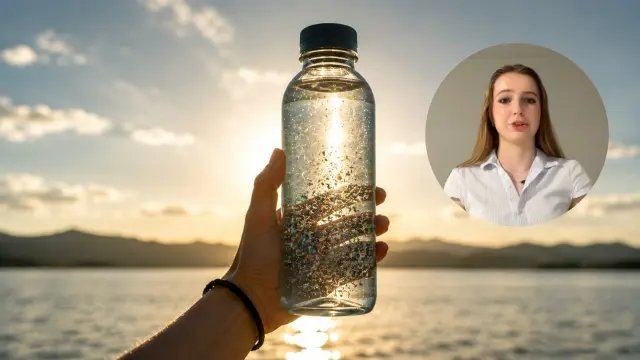
Microplastic pollution has become a global issue, with these tiny particles generated from plastic degradation detected in food, terrestrial ecosystems, and drinking water. Due to a lack of large-scale investment at the government level, the need for household-level solutions is increasingly prominent. Heller recently developed a filter based on magnetic separation principles that does not require disposable filter membranes and is suitable for kitchen countertops.
The filter consists of three modules: a contaminated water reservoir, a magnetic fluid reservoir, and a filtration chamber. After water containing microplastics is mixed with magnetic fluid, the microplastics adhere to the magnetic liquid; an external magnetic field attracts the microplastic-laden magnetic fluid to one side of the device, separating clean water from it. The magnetic fluid is recovered, purified, and recycled within the system, while the microplastics are sealed as waste. Unlike traditional filters that rely on physical membranes, this system requires no filter cartridge replacement, resulting in lower maintenance costs and a reduced waste footprint.
To verify effectiveness, Heller built her own turbidity sensor to measure the number of suspended particles before and after filtration. Test data showed that the filter can remove approximately 95.5% to 96% of microplastics and recover over 87% of the magnetic fluid for reuse. In a household setting, the device processes about one liter of water per cycle, with efficiency higher than many traditional water treatment plants. Heller received a special award at the Regeneron International Science and Engineering Fair in the United States, and her method has also been recognized by the U.S. Patent Office.
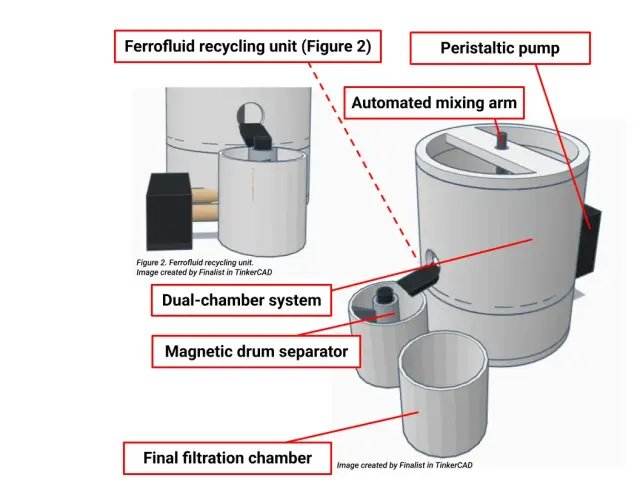
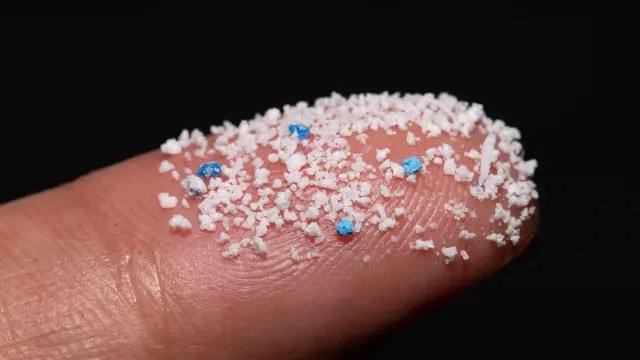
Researchers have also pointed out challenges facing the technology, including ensuring the safe management of captured microplastics and studying whether the system can be scaled up for larger applications. Microplastics are plastic fragments smaller than 5 millimeters, originating from the degradation of products such as packaging, synthetic textile fibers, tires, and paint. Multiple studies have detected these particles in samples of human blood, lungs, placenta, bones, brain tissue, and more. Some research has shown that higher levels of microplastics in arteries are associated with increased cardiovascular risk, and concentrations of microplastics in the brains of dementia patients are also elevated. While Heller's filter cannot solve the global plastic pollution problem, it provides a specific technological pathway for households to reduce microplastic levels in drinking water.
This article is compiled by Wedoany. All AI citations must indicate the source as "Wedoany". If there is any infringement or other issues, please notify us promptly, and we will modify or delete it accordingly. Email: news@wedoany.com
Related Products
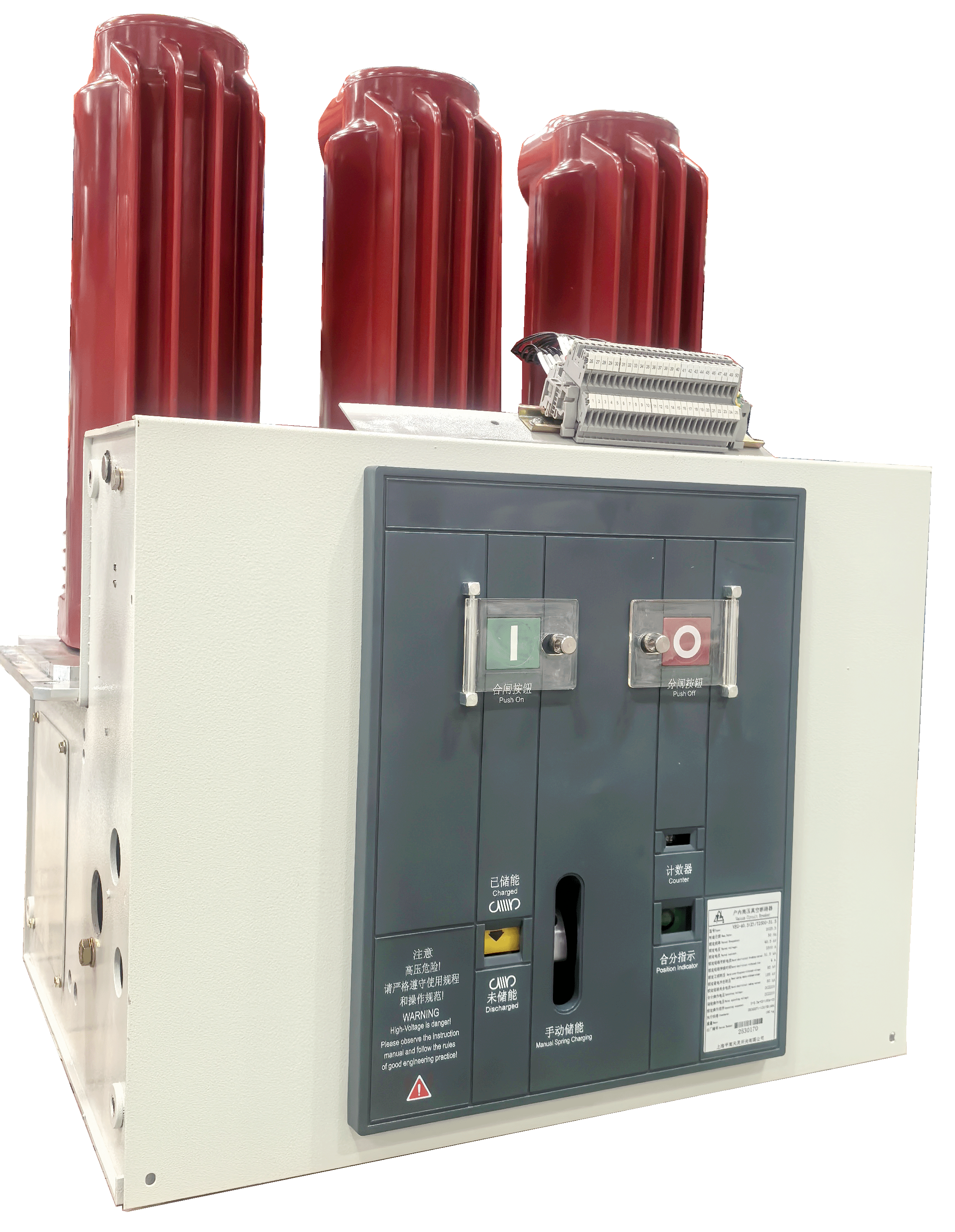

VEG-12/24/40.5 Series Vacuum Circuit Breaker
SHANGHAI PINGGAO TIANLING SWITCHGEAR CO., LTD.
TAI Slew-drive Single-axis Independent 1P Tracking Bracket System
ANTAI TECHNOLOGY CO., LTD.
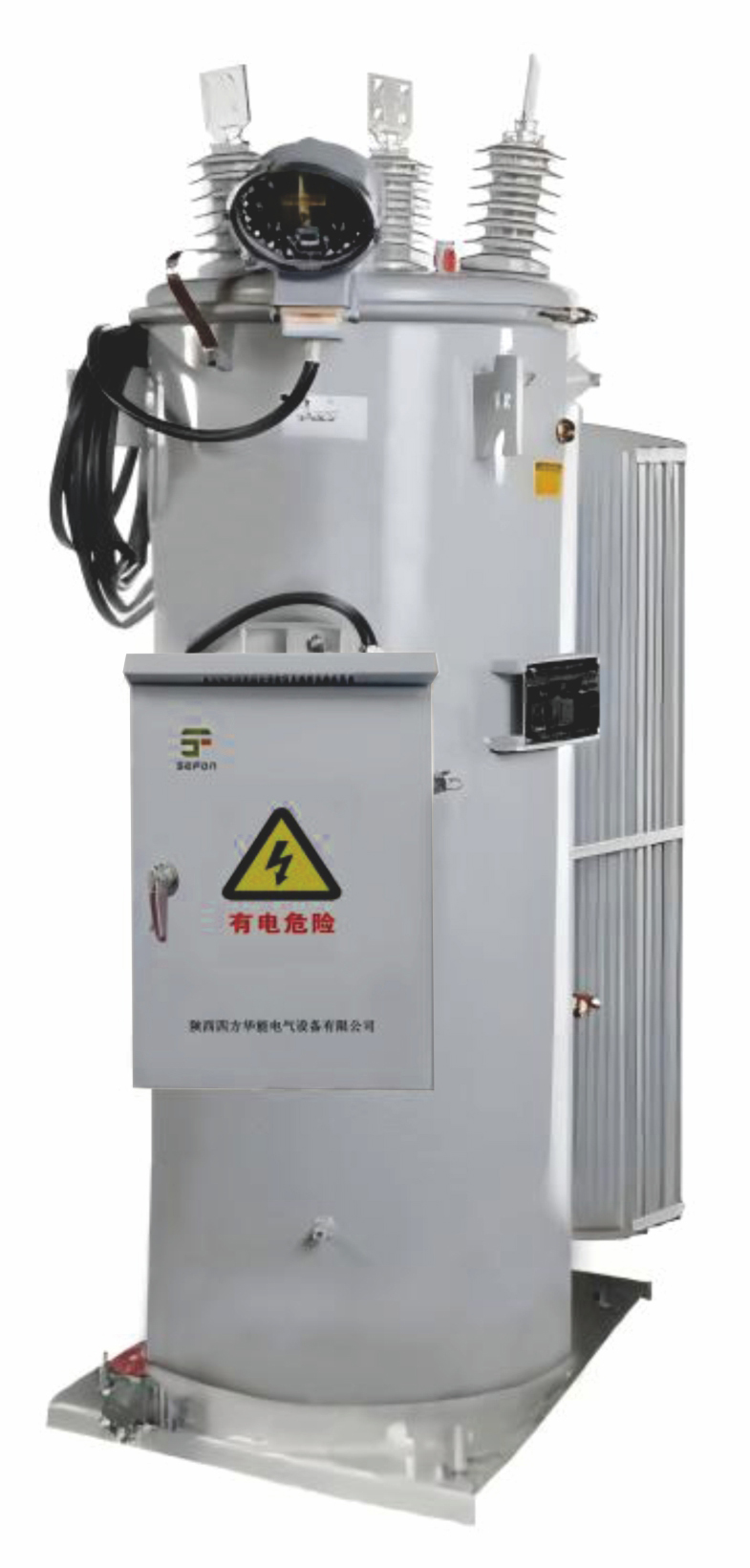
Single-Phase Automatic Voltage Regulator(AVR)
Shaanxi Sefon Electrical Equipment Co.,Ltd.

Forest and Grassland Heat Source Infrared Monitor
China Huayun Meteorological Technology Group Co., Ltd.

714CD Series C-Band Weather Radar
Chengdu Zhongdian Jinjiang Information Industry Co., Ltd.