en.Wedoany.com Reported - Skytree and Lingezegen Energy have deployed the Skytree Stratus system commercially for the first time in the Netherlands, applying direct air capture technology in a real-world scenario to provide fossil-free carbon dioxide for greenhouse clusters. For growers, the focus is on ensuring a reliable CO₂ supply—especially critical when traditional industrial sources face price pressures, supply risks, and decarbonization policies.
Greenhouse operators use CO₂ fertilization to enhance crop growth, yield, and quality. Historically, this CO₂ has been largely associated with industrial processes or fossil fuel use. As these sources change or decline, horticultural businesses face the challenge of obtaining CO₂ in a stable, affordable, and low-carbon manner.
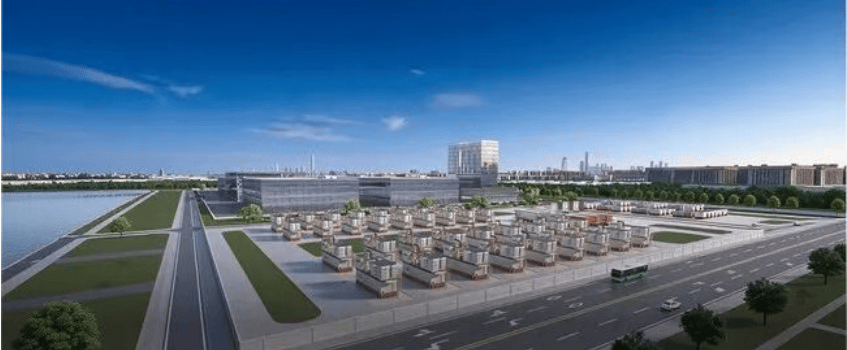
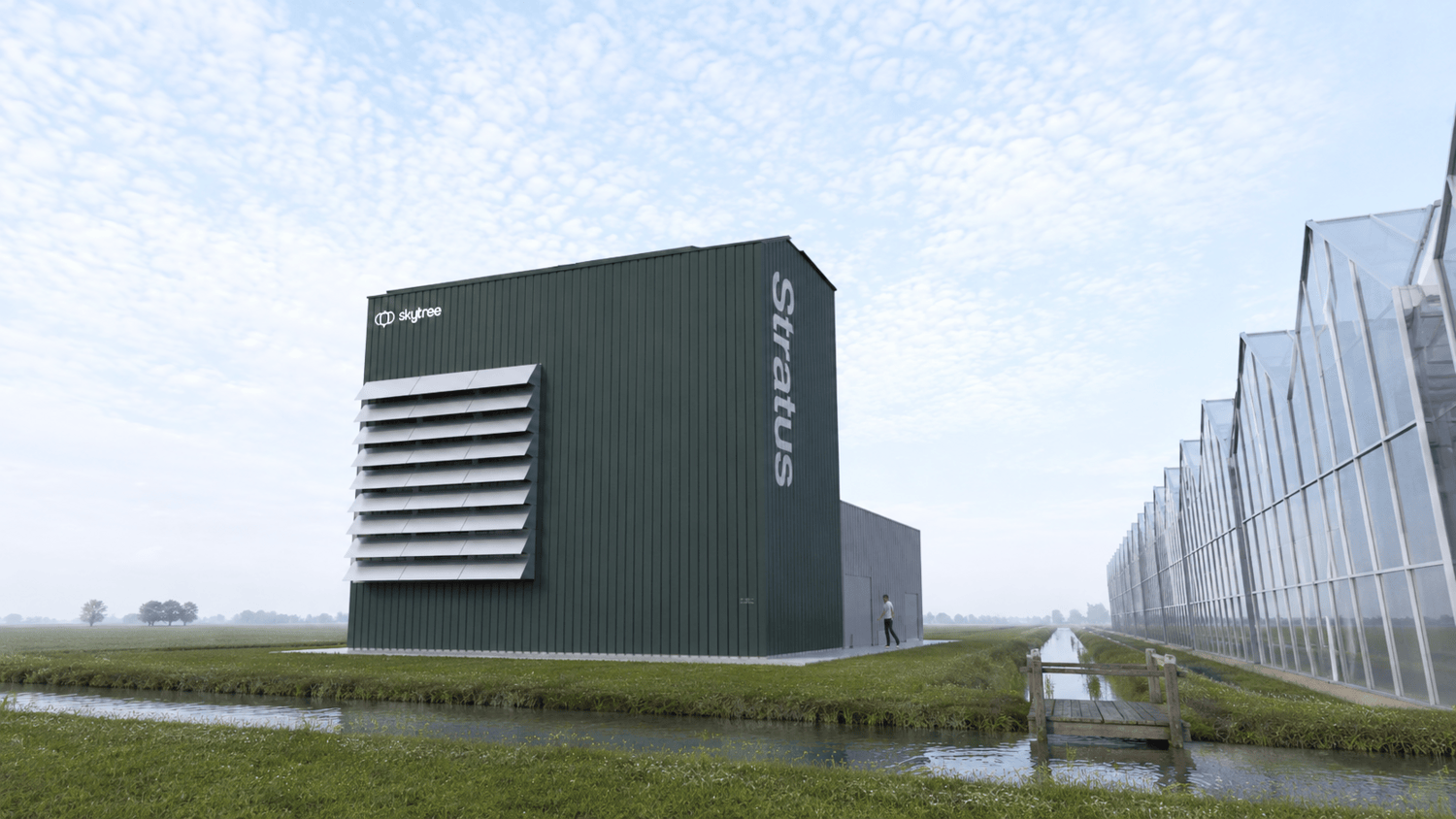
The Skytree Stratus system is scheduled for deployment in 2026, with an initial capture capacity of 900 metric tons of atmospheric CO₂ per year. In 2027, the project is expected to expand to 7,200 metric tons per year, supplying 10 greenhouses covering approximately 80 hectares. The system will integrate with Lingezegen Energy's existing renewable infrastructure, including a floating solar park and thermal energy storage. This localized integration model aims to produce carbon dioxide near growers' demand sites, rather than transporting it from distant industrial sources.
For the Dutch horticulture industry, this represents an early test of direct air capture transitioning from a climate technology concept to operational infrastructure. The business case will depend on reliability, cost, energy performance, and how well the system fits into daily greenhouse operations. Skytree positions Stratus for customers who rely on CO₂ but face rising liquid CO₂ prices, supply disruptions, or pressure to reduce fossil fuel inputs. The company states that the platform, based on over two years of operational laboratory data, is now entering commercial use.
Direct air capture still faces key issues such as energy demand, cost, and scalability. Skytree says its Stratus system uses moving bed technology, separating adsorption and desorption, with CO₂-capturing materials moving between hot and cold chambers rather than heating the entire machine during release. According to Skytree, most of the system's heating load can utilize low-grade heat of at least 80°C. Depending on the configuration, electricity consumption per metric ton of CO₂ captured can be reduced to approximately 0.9 to 1.0 MWh. The company attributes this performance to the method of directly heating the capture material rather than the entire surrounding system. Stratus features a modular design, with individual unit capacities starting at 2.5 metric tons of CO₂ per day, designed to support scaling to larger direct air capture parks while making maintenance and future upgrades more manageable. Skytree also uses process control software to monitor environmental conditions, helping maintain more stable CO₂ output amid seasonal temperature variations.
The first commercial use case is greenhouse production, but the potential market is broader. Other industries requiring reliable CO₂ include e-fuels, food and beverage, packaging, and industrial users seeking more localized carbon supplies. If the Lingezegen Energy project operates as planned, it will provide an early commercial model for distributed, fossil-free CO₂ supply in the horticulture sector.
This article is compiled by Wedoany. All AI citations must indicate the source as "Wedoany". If there is any infringement or other issues, please notify us promptly, and we will modify or delete it accordingly. Email: news@wedoany.com