en.Wedoany.com Reported - NASA has renamed the previously planned Commercial Lunar Payload Services (CLPS) flight operations as the first lunar base missions, and simultaneously awarded contracts for the development of a crewed Lunar Terrain Vehicle (LTV). The newly integrated three missions will be incorporated into a broader lunar surface architecture, with the earliest potential to support crewed lunar surface operations by 2028.
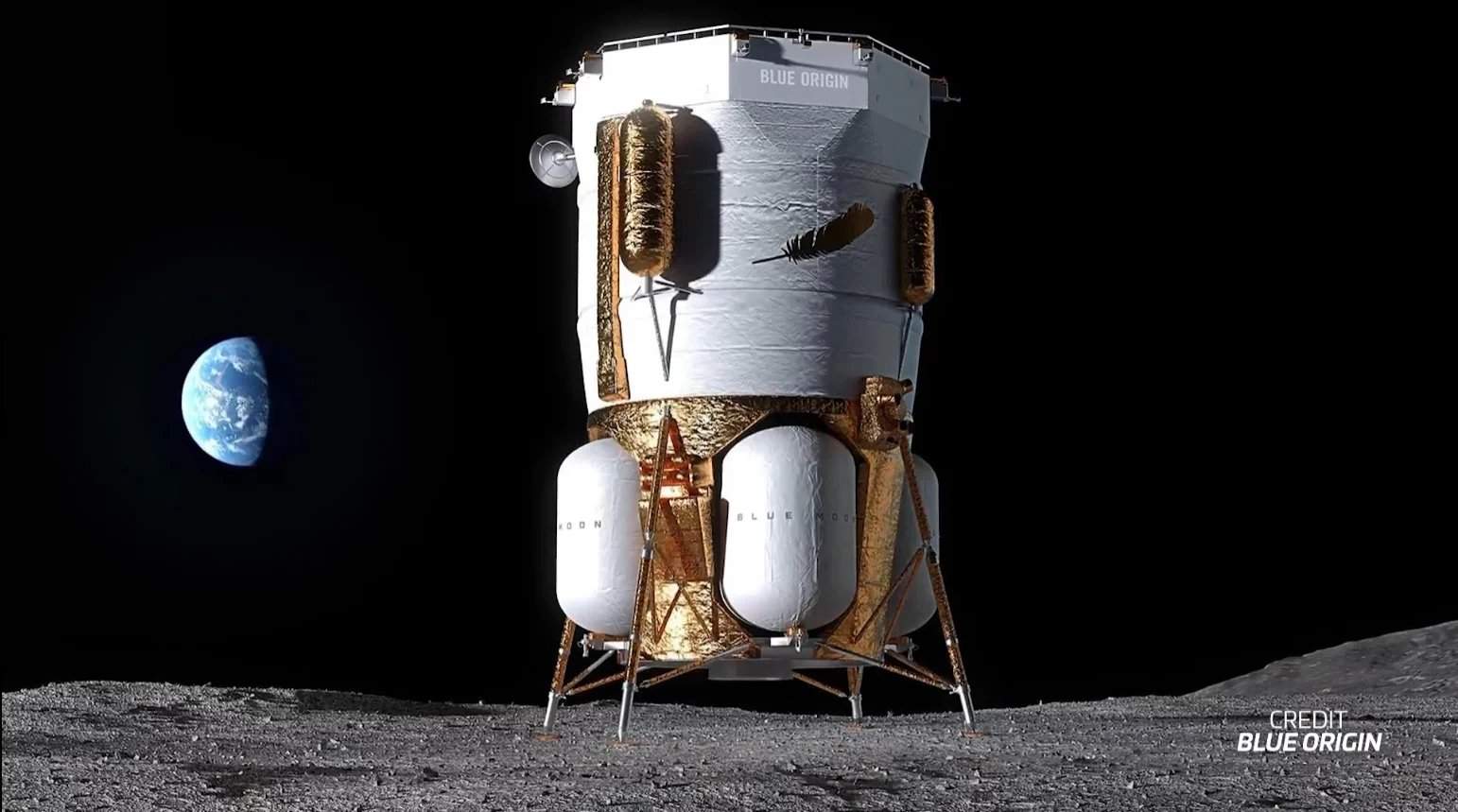
Lunar Base One will be executed by Blue Origin's Blue Moon MK1 lander "Endurance" on its first uncrewed flight, serving as one of two tests to validate technologies for the crewed Blue Moon MK2 lander. The mission will test the BE-7 engine, power and propulsion systems, avionics, and precision landing capabilities in space for the first time. Scientific payloads include the SCALPSS camera suite for imaging engine plume and lunar soil interaction effects, and a Laser Retroreflector Array to enhance navigation accuracy. The landing target is the Shackleton Connecting Ridge at the lunar south pole, where permanently shadowed craters are believed to contain water ice. Endurance is currently undergoing pre-launch testing at Blue Origin's Kennedy Space Center facility, with a launch planned no earlier than the third quarter of 2026.
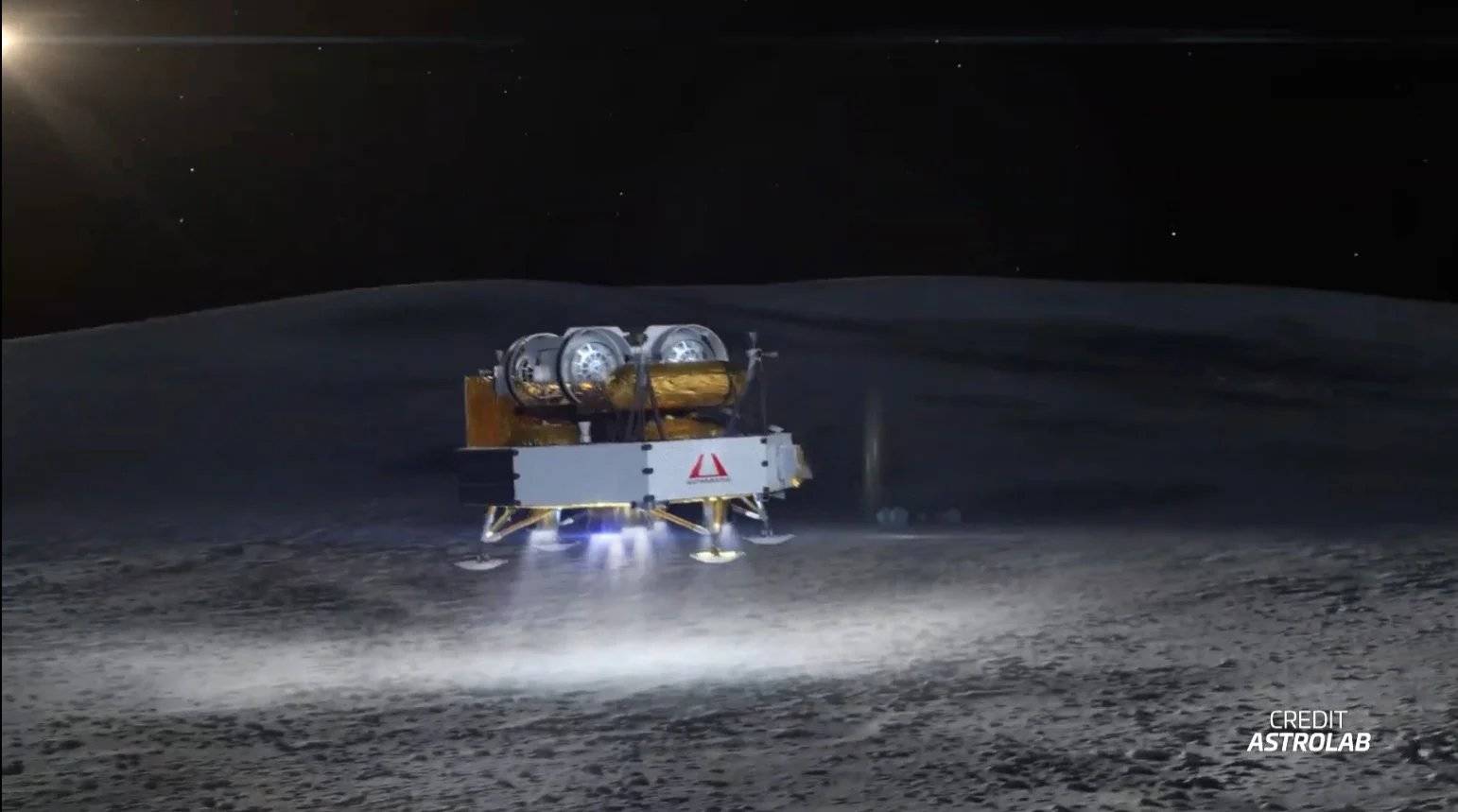
Lunar Base Two will be the maiden voyage of Astrobotic's Griffin lander, following the failed Peregrine Mission One due to a propellant leak. The Griffin lander is planned to deliver over 500 kilograms of payload, including two rovers: Astrolab's FLIP rover will test future crewed lunar mobility technologies.
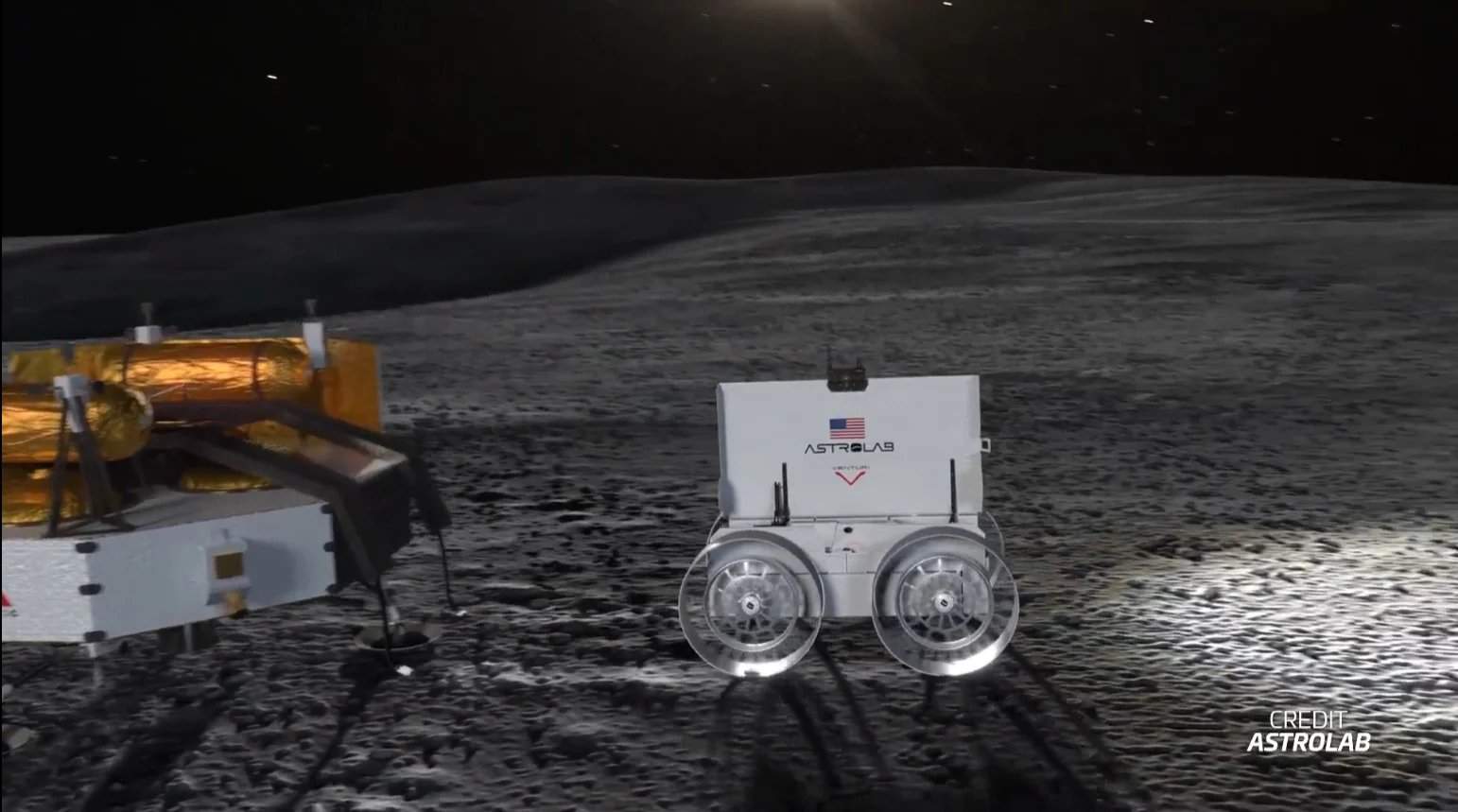
The mission is intended to launch on a SpaceX Falcon Heavy rocket, with a window no earlier than the fourth quarter of 2026.
Lunar Base Three is Intuitive Machines' third Nova-C lander flight (codenamed "Trinity"), following IM-1 and IM-2. It will carry payloads from international partners and the Lunar Vertex scientific investigation, which will study high-albedo lunar surface features known as lunar swirls, whose formation mechanisms remain unclear.
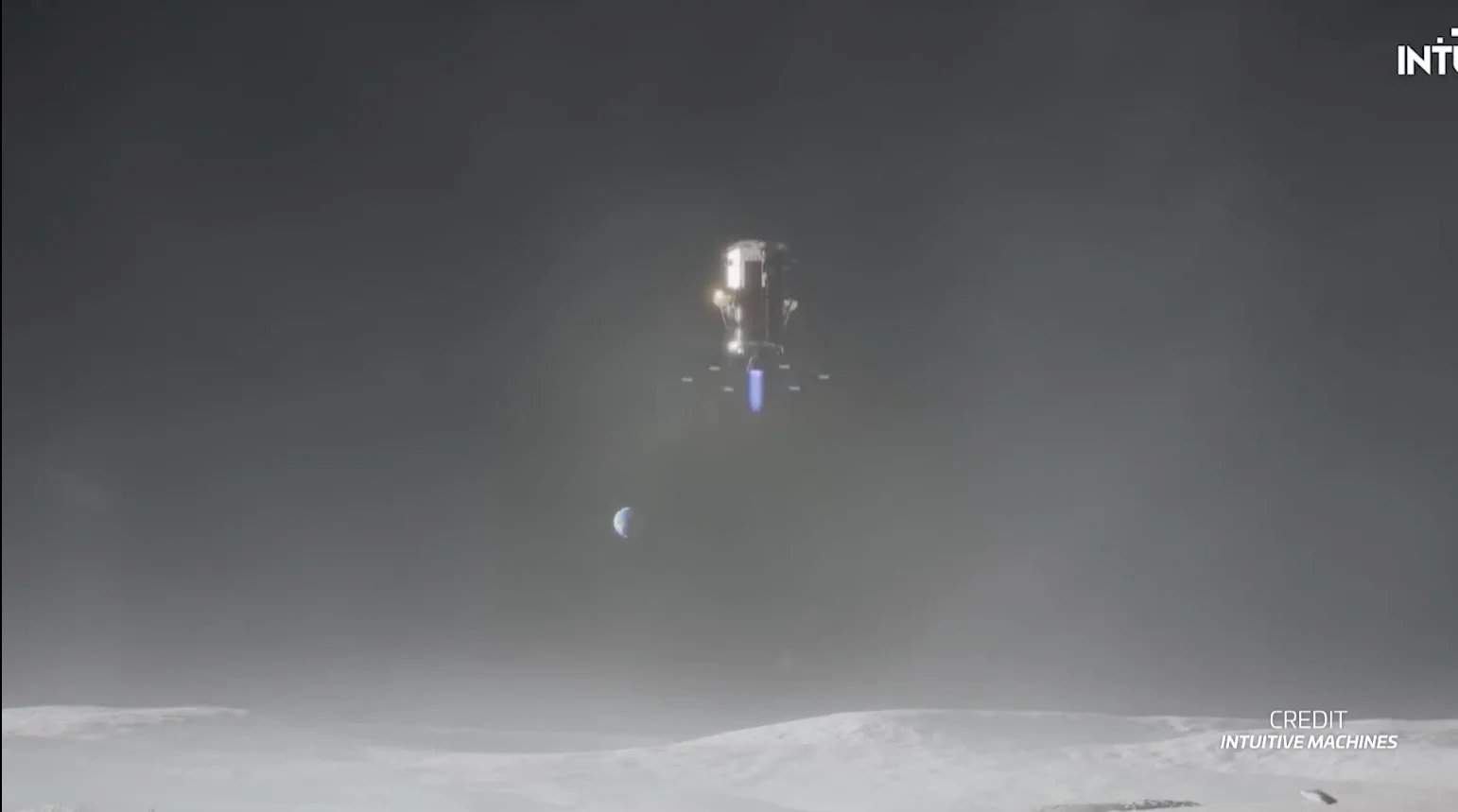
Although both previous Nova-C landers achieved soft landings, they tipped over on the lunar surface. Lunar Base Three is planned to launch no earlier than the fourth quarter of 2026 on a SpaceX Falcon 9 rocket, sharing the ride with other payloads. NASA stated that as part of the ongoing CLPS program, more than a dozen subsequent lunar base missions will be announced later this year.
For the crewed Lunar Terrain Vehicle project, NASA has awarded development orders to Astrolab and Lunar Outpost as part of the scaled-down LTV program.
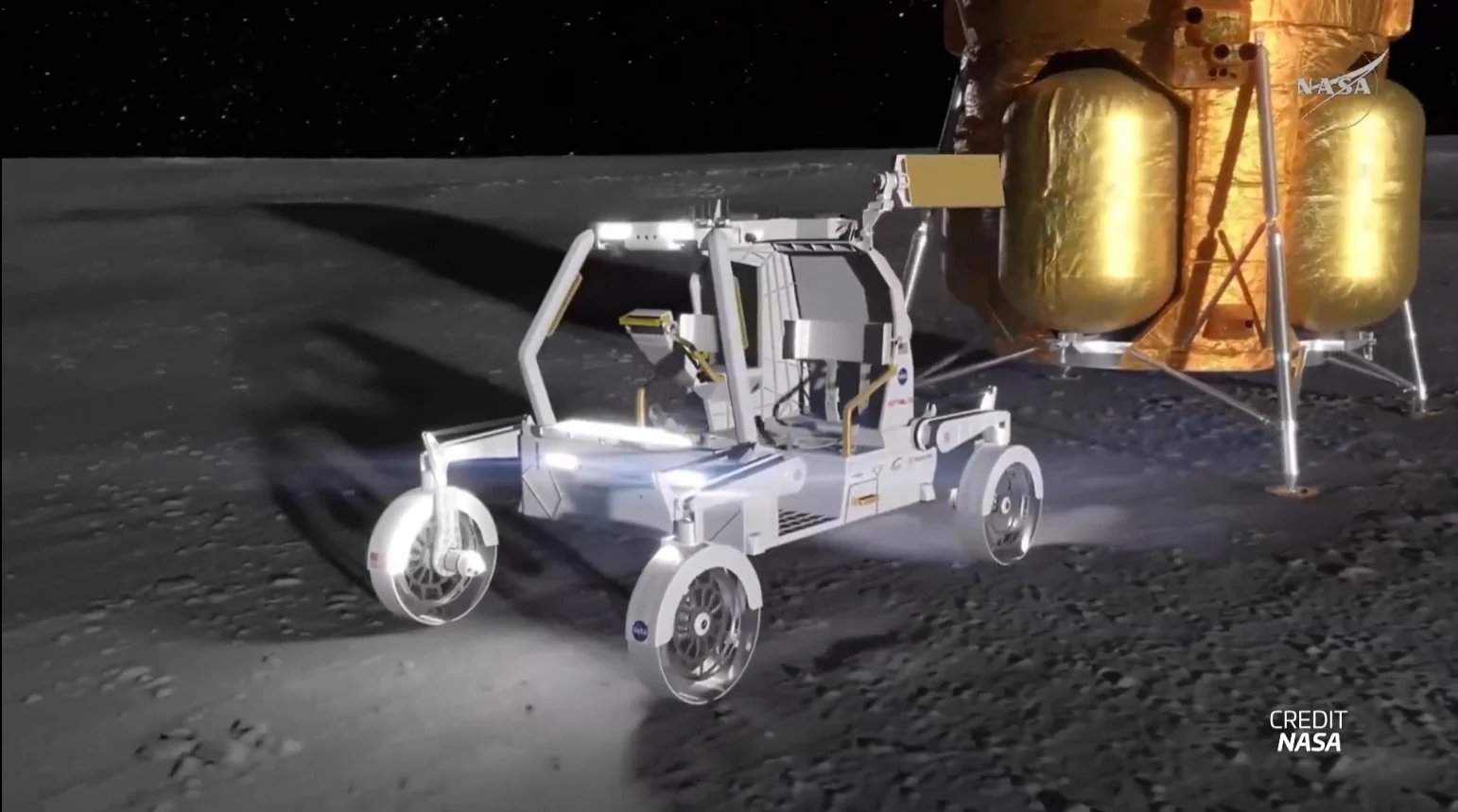
Astrolab received a $219 million contract to develop a crewed lunar vehicle (CLV-1) based on the FLEX rover architecture; Lunar Outpost received a $220 million contract to develop the "Pegasus" rover, evolved from the earlier "Eagle" design. Both vehicles have been downsized from their original truck-like dimensions to approximately one metric ton to match existing lander payload capacity.
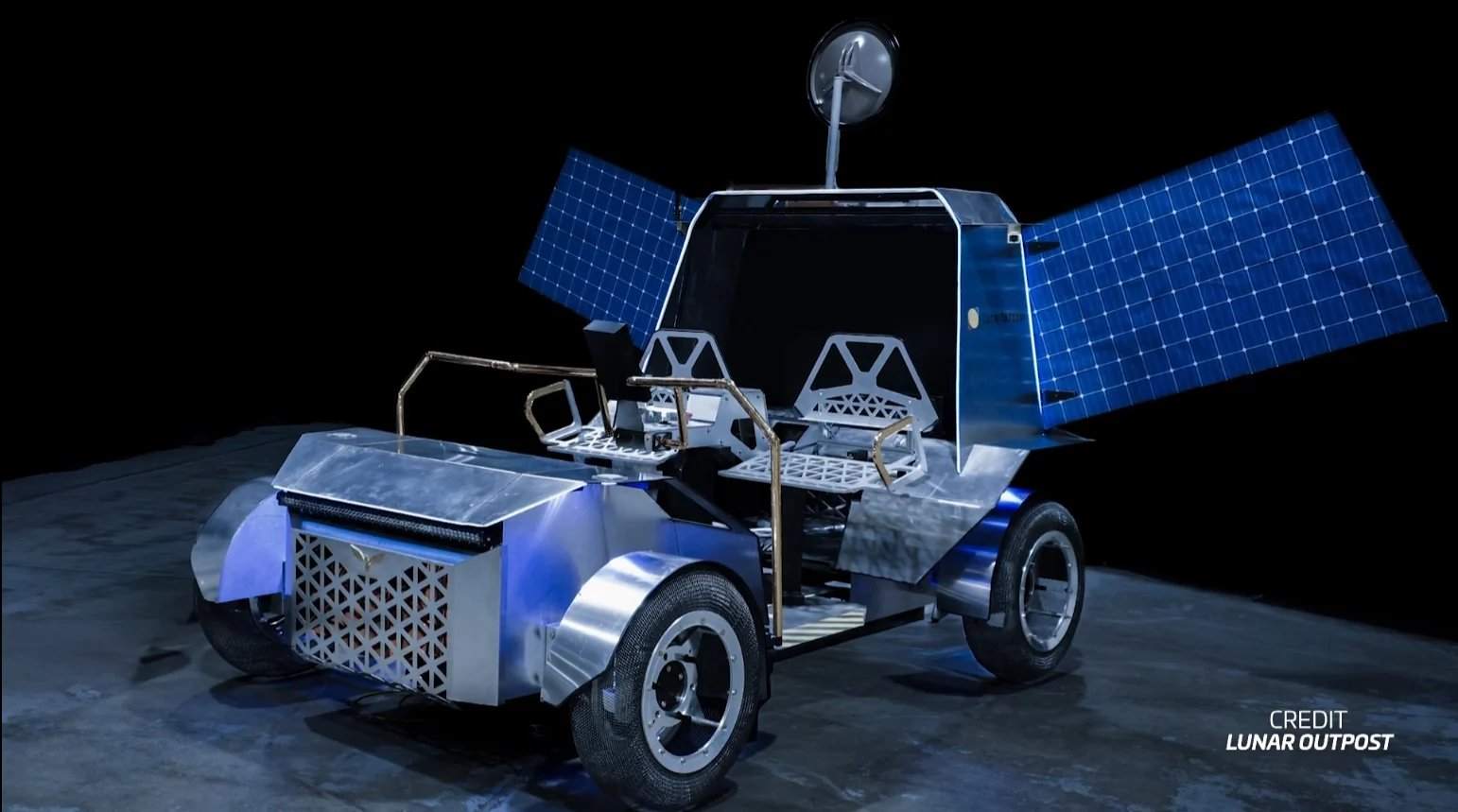
The CLV-1 is designed for speeds exceeding 9 km/h, while "Pegasus" exceeds 14 km/h, supporting crewed driving, remote control from Earth, and autonomous operation. They are planned to be unloaded onto the lunar surface using a crane system from Blue Origin's Blue Moon MK1 lander.
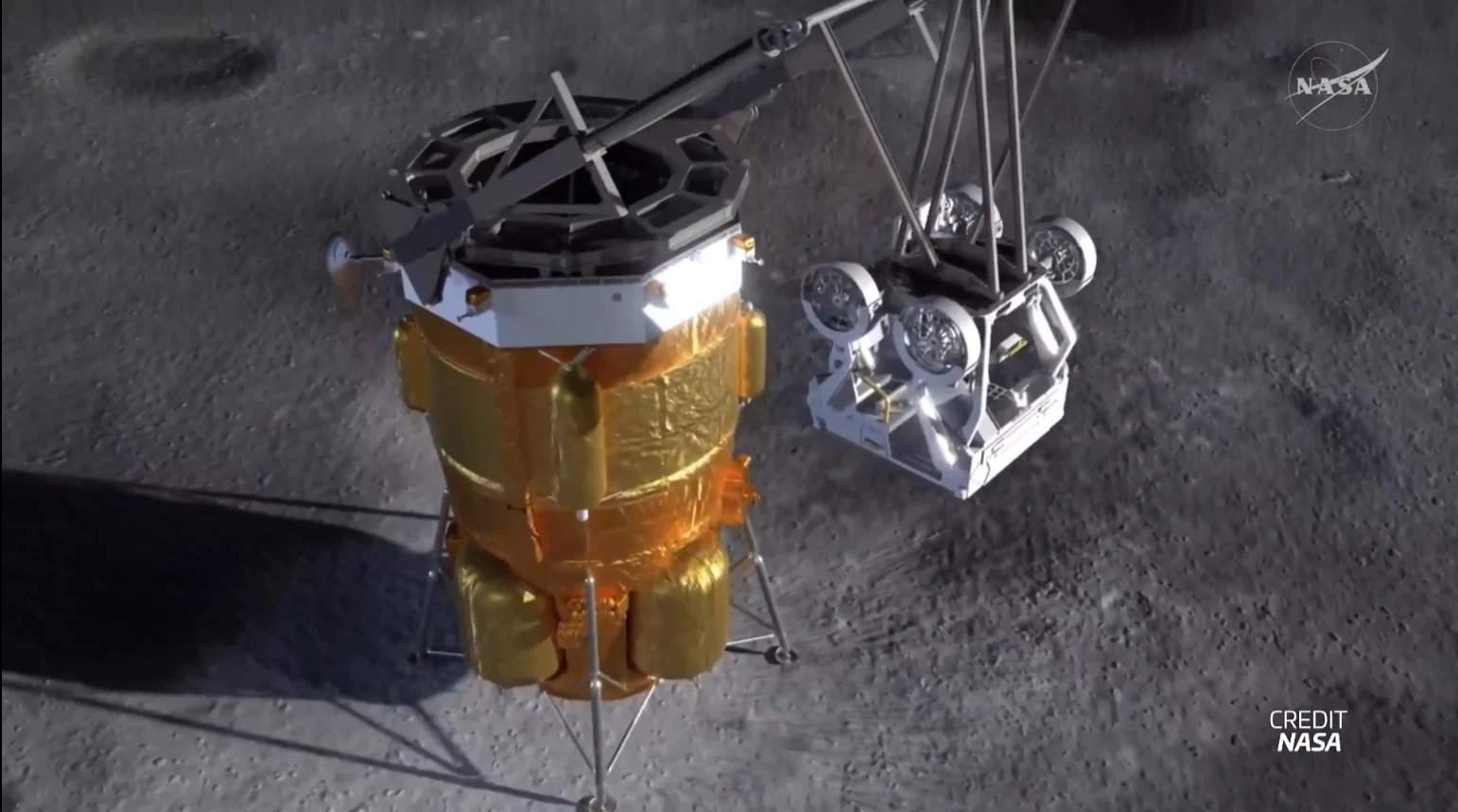
Before the first crewed Artemis landing, both vehicles will conduct remote terrain reconnaissance to reduce risks for future missions. Under the revised timeline, the first LTV will serve the Artemis IV mission, currently planned for 2028—the first crewed lunar landing.
To address the need for high-resolution surface reconnaissance beyond the Lunar Reconnaissance Orbiter (LRO), NASA is developing the MoonFall drone—a small hopper weighing about 250 kilograms, built by the Jet Propulsion Laboratory based on the Ingenuity technology platform. Firefly Aerospace has been awarded a contract to deliver three to four MoonFall vehicles to the Moon using an Elytra space tug in 2028.
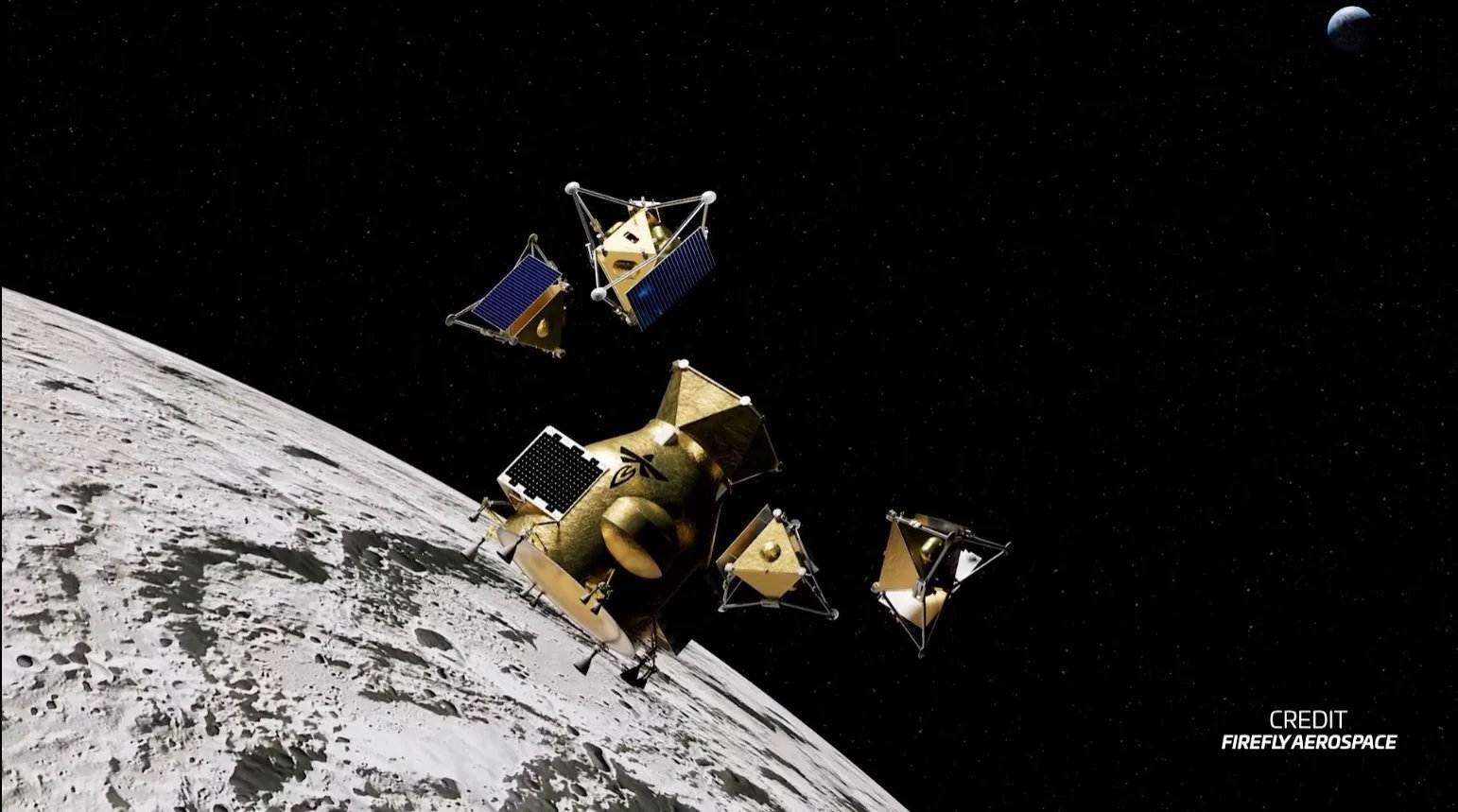
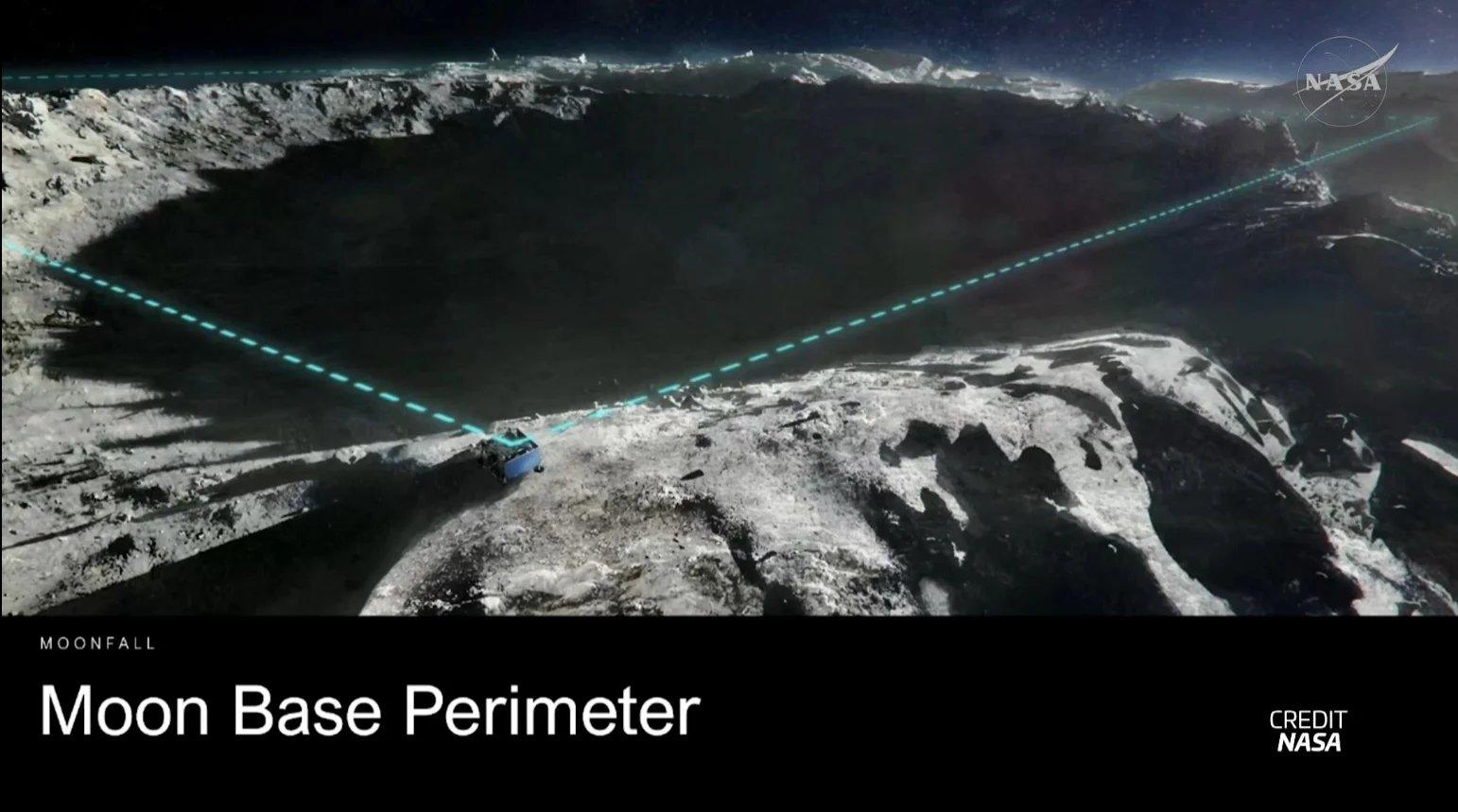
These vehicles will separate and land on their own, conducting high-resolution mapping using up to 10 high-definition cameras within a single lunar day. At the end of the mission, they will be deployed as boundary markers for the future lunar base site, while carrying "overnight" payloads that allow the vehicles to wake up after sunrise but no longer fly.
NASA expects to issue additional CLPS 1.0 and 2.0 task orders in the coming months as part of the first phase of the lunar base program. The crew for the Artemis III mission is scheduled to be announced on June 9 at the Johnson Space Center in Houston.
This article is compiled by Wedoany. All AI citations must indicate the source as "Wedoany". If there is any infringement or other issues, please notify us promptly, and we will modify or delete it accordingly. Email: news@wedoany.com