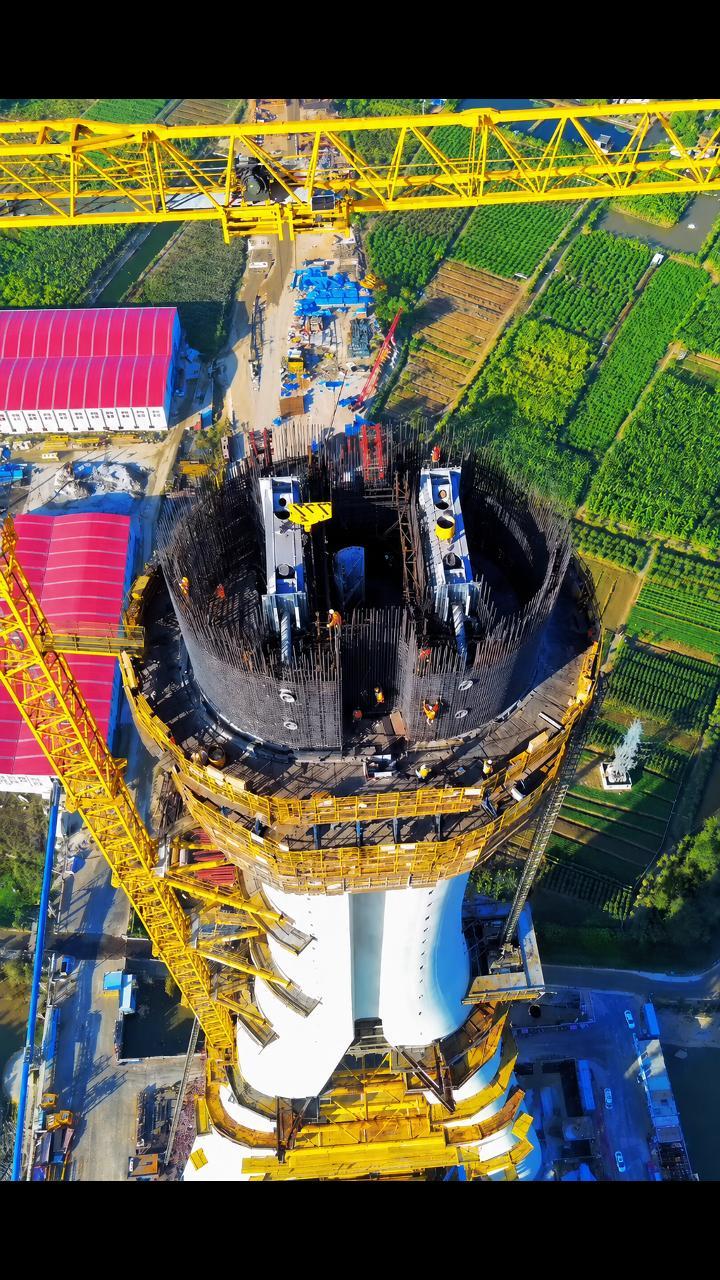
Disappointing Start to 2025 for Indonesia’s New Capital
Wedoany.com Report-Feb 27, Indonesia’s recently appointed president, Prabowo Subianto, has announced a $35bn plan to build a new capital city on the island of Borneo, starting in 2025. However, this ambitious project has faced significant setbacks due to reduced government funding and a lack of support from the country’s new sovereign wealth fund, commonly referred to as Danantara.
Photograph shows the government district of Nusantara as of June 2024
Originally, the project had received over $4.63bn in funding from the previous president, Joko Widodo, over a span of three years. However, under Subianto’s leadership, the allocated budget has been drastically cut to just $2.98bn. This reduction is attributed to the tighter financial constraints faced by the government.
The new capital city, known as Nusantara, is intended to replace Jakarta due to concerns over Jakarta’s subsidence and declining infrastructure. However, the lack of investment and support from the wealth fund has left the project in jeopardy. In fact, the Danantara fund has reportedly expressed interest in only a small portion of the city’s projected cost, further highlighting the challenges faced by the initiative.
In response to the funding snub, the Nusantara Capital City Authority has called for alternative solutions. They have suggested that the government could conduct comparative studies on the city’s design without the need for on-site visits. This could potentially be achieved through online research, saving time and resources.
Despite the initial push for private investment, which was expected to cover 80% of the project’s cost, the reality has been far more challenging. Foreign investment in Indonesia has remained sparse, with only a small trickle of projects under way. This lack of investment has dealt a blow to the nation’s economy, particularly in sectors such as mining and renewable energy, which were previously targeted by the Danantara fund.
As the project continues to unravel, the government has faced criticism from various quarters for not securing the necessary funds. Prabowo Subianto has emphasized the need to find alternative ways to finance the project, but no clear solutions have been proposed yet. The situation remains uncertain, with experts warning that the new capital city could face further delays and financial struggles.
In summary, Indonesia’s ambitious plan to build a new capital city is facing significant hurdles, including reduced funding, lack of support from key institutions, and limited foreign investment. The government is seeking creative solutions to ensure the project’s success, but time is of the essence to avoid further setbacks.
Related Products
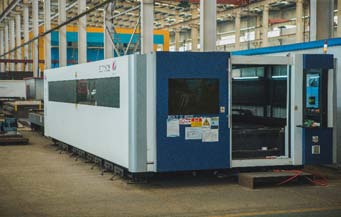


ERW Welded Pipe (Black Pipe and Hot-dip Galvanized Steel Pipe)
Handan Zhengda Steel Pipe Co., Ltd.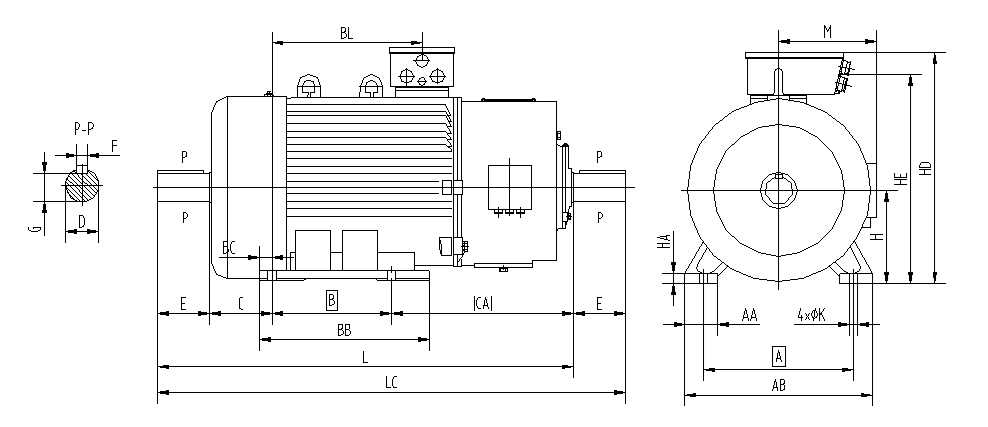
YZR (450-560) Series Wound Rotor Three-Phase Asynchronous Motors for Crane and Metallurgical Applications
Jiamusi Electric Machine Co., Ltd.
YHTank8400N Solvent-Free Liquid Epoxy Coating
JIANGSU YUNHU NEW MATERIAL TECHNOLOGY CO., LTD.

300mm Segment Type Countdown Traffic Light (Core Type)
Yangzhou FAMA Intelligent Equipment Co., Ltd.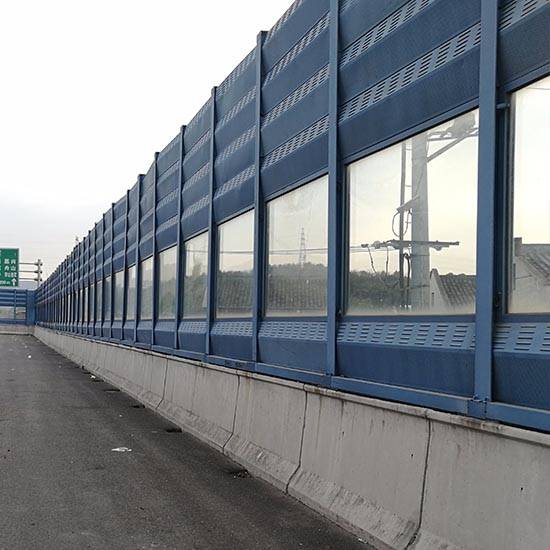
Metal sound barriers that can reduce the transmission of road noise
Hebei Jinbiao Construction Materials Tech Corp., Ltd.


Acoustic Mineral Fiber Ceiling Tile 595x595x12mm
Shanxi Pano Trading Co., Ltd