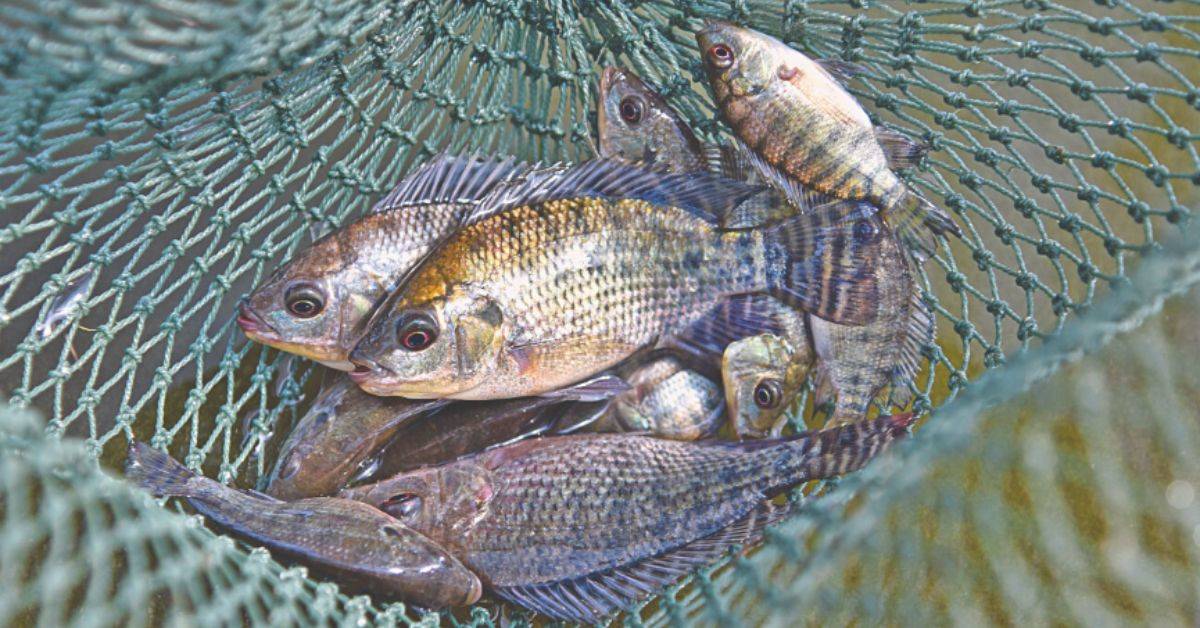
Brazil's fish industry chain generates 11 billion reais in annual capital flow, attracting new investments
en.Wedoany.com Reported - Brazil's tilapia farming industry maintains an average annual growth rate of 10%, propelling the country to fourth place in the global ranking of aquatic product producers. Marilsa Patrício Fernandes, president of Aquishow 2026, an aquaculture exhibition targeting the industry, stated that Brazil is expected to become the world's largest aquatic product producer within 10 years or less.
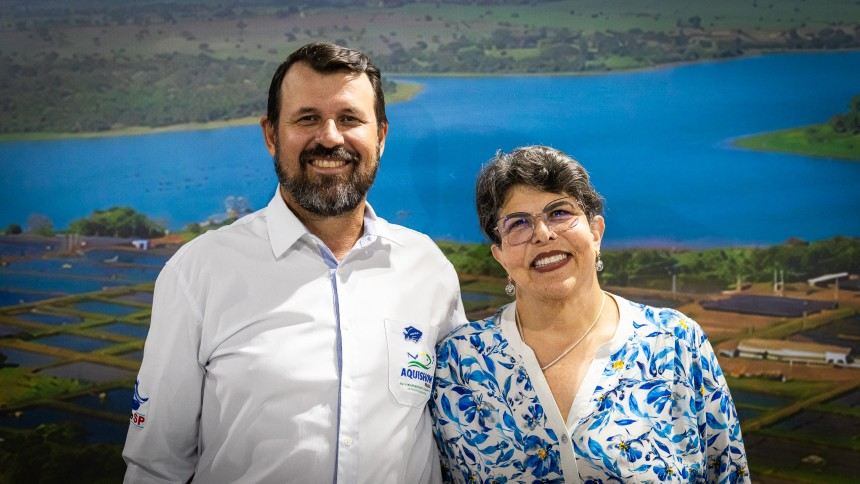
Emerson Esteves, director of the São Paulo State Fish Industry Entity (PeixeSP), noted that Brazil's tilapia production was 280,000 tons a decade ago and has now approached 800,000 tons. The entity represents related industries in São Paulo state and is the organizer of this year's Aquishow exhibition held in Uberlândia (Minas Gerais state). Signs of growth were observed at the exhibition: domestic fish production and feed manufacturing groups mentioned plans to build new factories, and some multinational companies now earn more revenue from fish feed than poultry feed. The institution estimates that Brazil's fish farming revenue and production will grow by another 10% year-on-year in 2026. The entire industry chain, including fish farming, feed, and pharmaceuticals, already generates 11 billion reais in annual capital flow. This edition of Aquishow features over 100 exhibitors and is expected to receive 7,000 visitors.
One of the industry's attractions is the return on investment. Marilsa Fernandes pointed out that tilapia farming offers quick returns, with investment costs recoverable within 8 months due to its short growth cycle of just 6 to 8 months. This sector is attracting an increasing number of cooperatives, allowing small-scale producers to remain competitive. The industry is also seeing a trend toward consolidation, with Esteves observing that larger groups and even foreign funds are investing. For example, Tilabras Aquicultura has a stake from the Ocean 14 Capital fund, which invested 10 million euros in 2022; Fisher Piscicultura has a stake from the Dutch fund Aqua Spark. Major players in the poultry industry, such as Copacol, Lar, Coopavel, and Avivar Alimentos, have also begun venturing into tilapia sales.
Tilapia accounts for 70% of Brazil's fish farming production, but the industry faces challenges. Last year, Brazil reached a trade agreement with Vietnam: Brazil exports beef to Vietnam while importing fish products from Vietnam. Entrepreneurs consider the agreement unfair, as Vietnam does not produce beef, while Brazil is a major tilapia producer. According to Esteves, the impact is already evident: in April, Brazil imported 2,000 tons of fish fillets from Vietnam, equivalent to 6,000 tons of whole fish; from January to May, cumulative imports of tilapia fillets exceeded 5,000 tons, matching the entire production of the key producing region Santa Fé do Sul, which creates over 3,000 direct jobs. At the opening of Aquishow 2026, Esteves appealed to Édipo Araujo, Secretary of Fisheries and Aquaculture, urging that this issue be treated as a national priority.
While the federal government remains undecided, the industry is negotiating with states to reduce tax burdens and enhance competitiveness. Currently, Vietnamese products are 6 reais per kilogram cheaper than Brazilian products. Santa Catarina state was the first to raise the ICMS tax rate on imported fish, followed by Paraná and Minas Gerais, with São Paulo and Pernambuco joining last week. The governor of São Paulo state imposed a 7% tax increase on all aquatic products, differing from other states that targeted only tilapia. The tilapia industry is also monitoring discussions at the National Biodiversity Commission (Conabio), which may classify tilapia as an invasive species. Esteves warned that if this happens, Brazil would lose certification and be unable to export to the U.S. market. Currently, Brazil exports 4% of its tilapia production, with the U.S. as the main customer. Last year, shipments initially dropped due to Trump's tariffs but later returned to normal. Esteves believes demand for high-quality fresh fillets in the U.S. market will persist, as no other country in the Americas can currently meet it.
Roberto Imai, director of the Fisheries and Aquaculture Industry Chain Department at the São Paulo State Federation of Industries (FIESP), noted that Brazil's fish trade deficit remains around $1 billion, with per capita annual fish consumption rising from about 6 kg 30 years ago to approximately 10 kg today. He emphasized that Brazil has unparalleled natural advantages but faces structural barriers such as the "Brazil cost," including high interest rates, labor issues, environmental bureaucracy, and tax burdens. He advocated for increased investment in technology and mechanization to compete with low-cost markets like Vietnam.
This article is compiled by Wedoany. All AI citations must indicate the source as "Wedoany". If there is any infringement or other issues, please notify us promptly, and we will modify or delete it accordingly. Email: news@wedoany.com
Related Products


Industrial and Commercial Point-Type Gas Detector
Jinan Benan Technology Development Co., Ltd.

714CD Series C-Band Weather Radar
Chengdu Zhongdian Jinjiang Information Industry Co., Ltd.

4HS-8 High-efficiency Peanut Inverted-laying Harvester
Hebei Yongfa Hongtian Agricultural Machinery Manufacturing Co., Ltd.