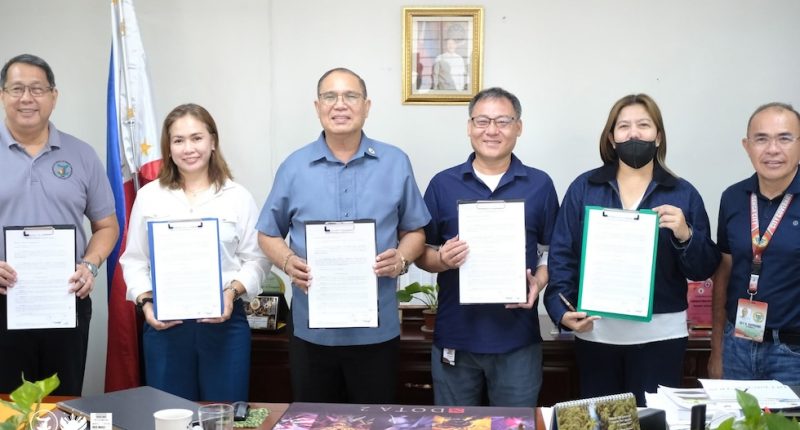
en.Wedoany.com Reported - Researchers and technical experts from seven countries gathered in Brazil to discuss diagnostic methods for acaricide resistance. The event was organized by the Desidério Finamor Animal Health Diagnosis and Research Center (IPVDF), under the Secretariat of Agriculture, Livestock, Sustainable Production and Irrigation of Rio Grande do Sul (Seapi), with participants from Brazil, Mexico, Uruguay, Ecuador, Panama, Uganda, and the French territory of Guadeloupe.
The objective of the activity is to train professionals to establish an international laboratory network focused on diagnosing acaricide resistance in ticks. This initiative, promoted by the Food and Agriculture Organization of the United Nations (FAO) since 2021, centers on standardizing testing methods and workflows among participating countries. The network is part of FAO's global plan to standardize laboratory protocols and build an international monitoring system for acaricide resistance in ticks.
José Reck, researcher and director of IPVDF, expressed great satisfaction in hosting delegations from multiple countries to exchange experiences and unify diagnostic and social communication actions. He believes the initiative will foster integration between governments and laboratories. According to the plan, a reference laboratory will be established on each continent to support personnel training, experience exchange, research, and the development of new diagnostic and control strategies, thereby strengthening global monitoring capabilities and promoting more sustainable tick management.
During the event, participants will gain in-depth knowledge of resistance diagnostic techniques, quality control procedures, and good laboratory practices. Practical demonstrations will be conducted at IPVDF's laboratories, which are considered an international reference point in this field. Additionally, participants will visit a local farm to collect tick samples. Guilherme Klafke, a researcher at IPVDF's Parasitology Laboratory, noted that IPVDF is a world reference on the subject, having participated in the FAO working group responsible for coordinating diagnostic techniques and being selected to host Latin American laboratories undergoing training to join the network. Francisco Martinez from Mexico's National Service of Health, Safety and Agri-Food Quality (Senasica) stated that his team has years of experience and came to Brazil to verify whether dosages and techniques meet FAO-established standards, ensuring all parties can use a common language.
In addition to foreign participants, the training includes professionals from the Brazilian Agricultural Research Corporation's Southern Livestock Unit (Embrapa Pecuária Sul), the Brazilian Agricultural Research Corporation's Beef Cattle Unit (Embrapa Gado de Corte), and the Biological Institute of São Paulo (Instituto Biológico de São Paulo). The training is scheduled to enter its second phase in September, when technicians from a new group of Latin American countries will be trained in Eldorado do Sul. The initiative has received financial support from FAO and the Bill & Melinda Gates Foundation, enabling the participation of foreign technicians. Additionally, the Animal Health Development and Defense Fund of Rio Grande do Sul (Fundesa) allows IPVDF to offer free acaricide resistance testing services to rural producers.
This article is compiled by Wedoany. All AI citations must indicate the source as "Wedoany". If there is any infringement or other issues, please notify us promptly, and we will modify or delete it accordingly. Email: news@wedoany.com