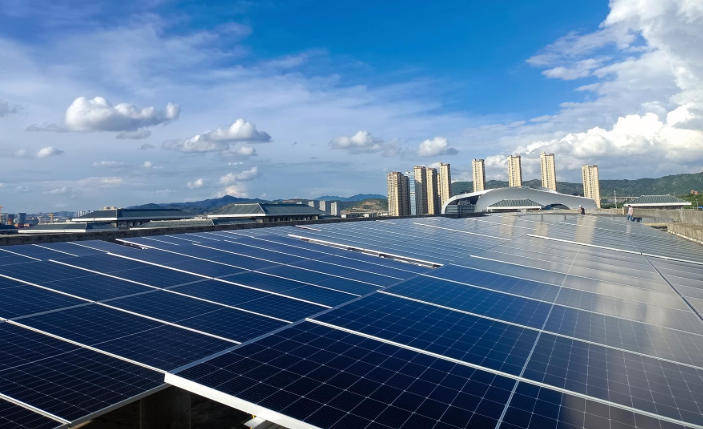
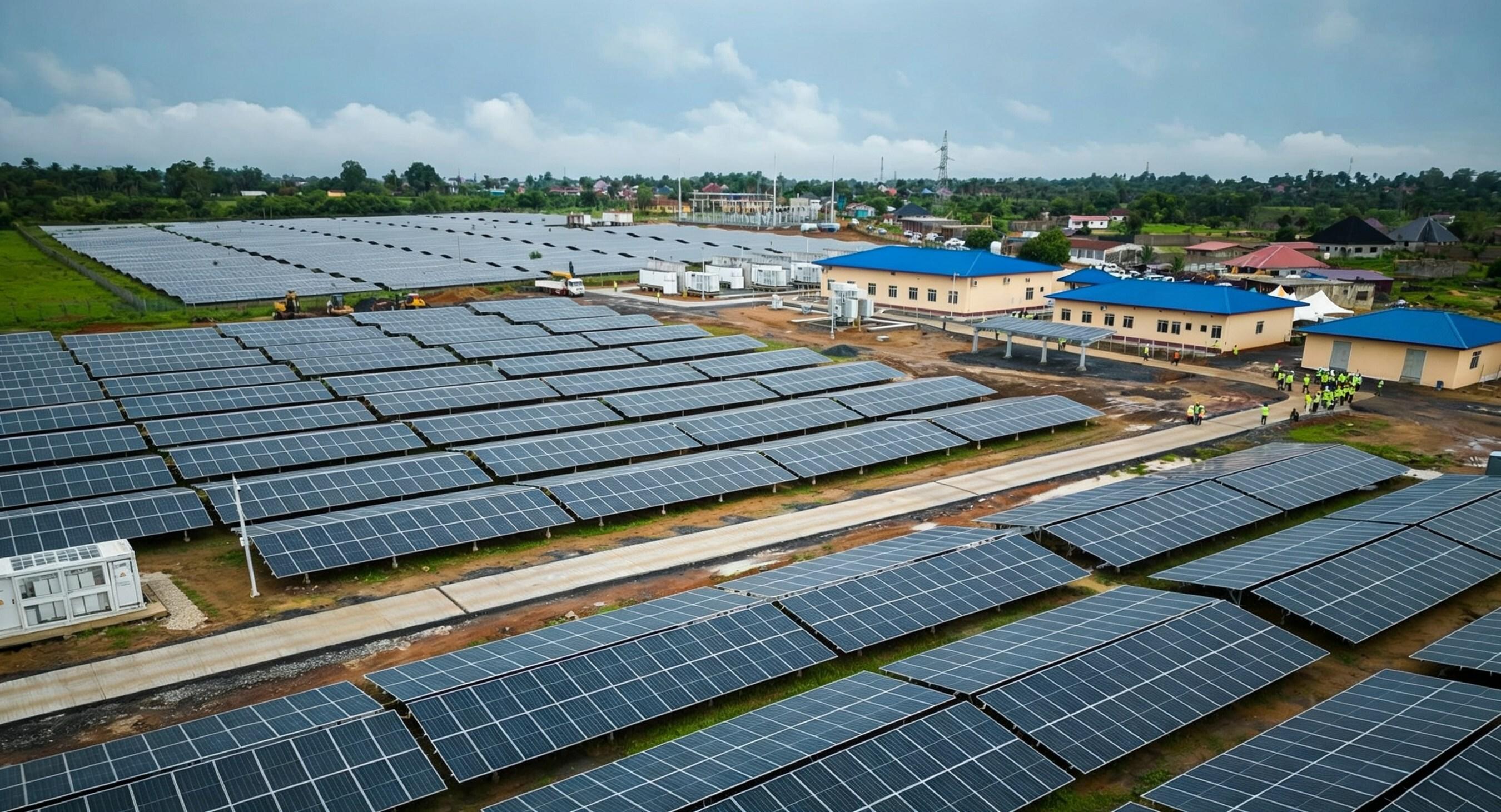
en.Wedoany.com Reported - Fortescue announced in late May that it has commenced construction of the 690 MW Turner River Solar Power Plant, located approximately 120 kilometers south of Port Hedland, Australia. This plant is the final solar facility required for the company's "Real Zero" decarbonization plan.
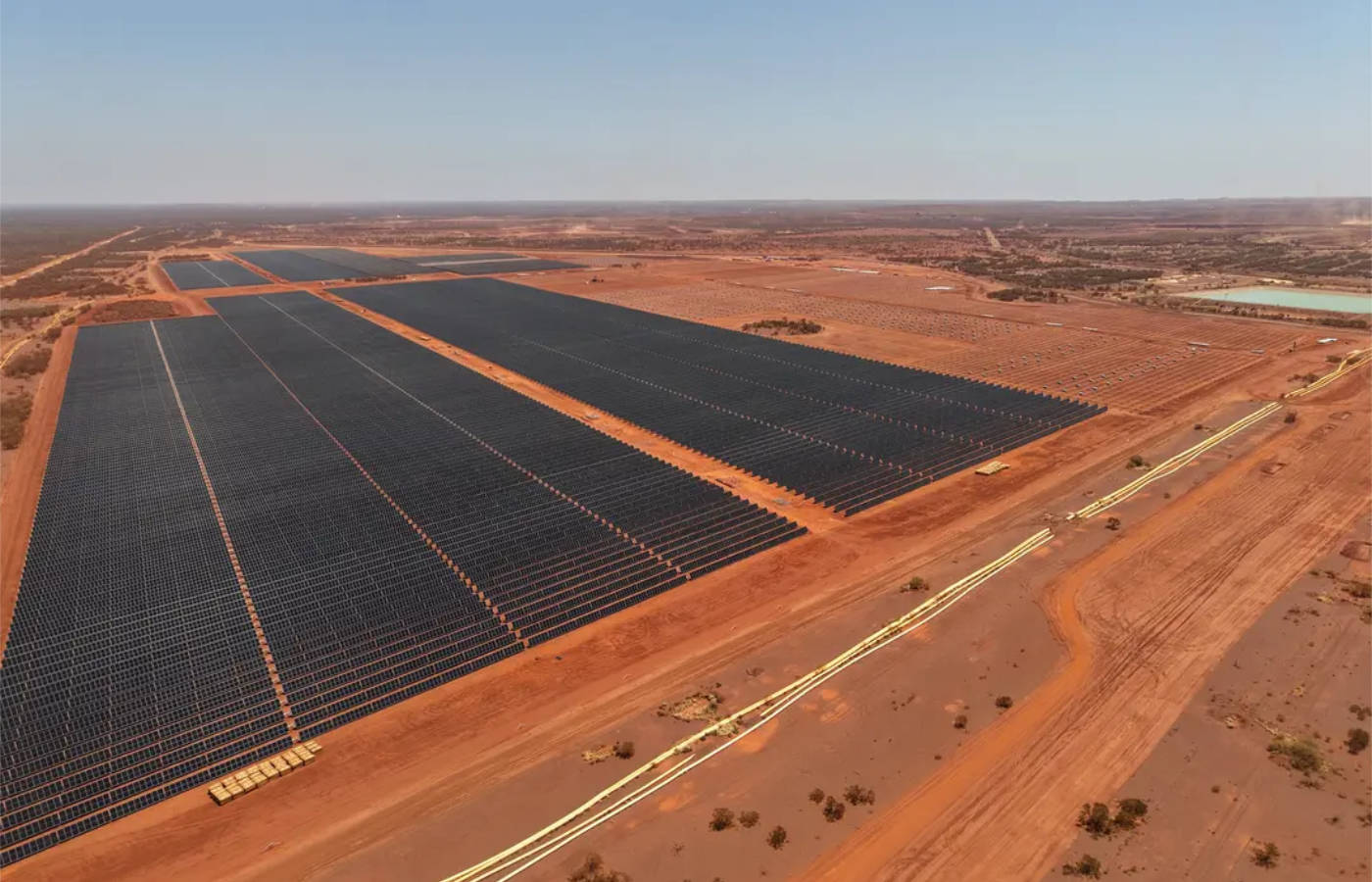
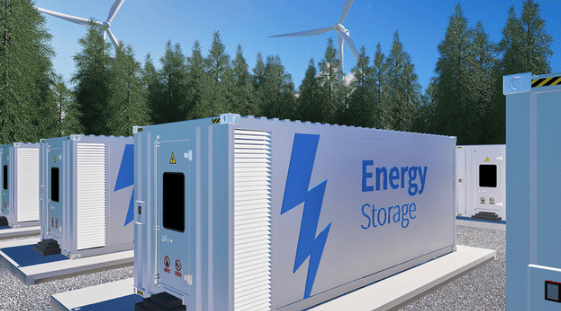
Fortescue has installed a 74 MW / 650 MWh battery energy storage system (BESS) at the Cloudbreak mine, where a 190 MW solar power plant is nearing completion. Once the Turner River project is finished, combined with the Solomon Airport Solar Power Plant (440 MW), Cloudbreak Solar Power Plant (190 MW), and North Star Junction Solar Power Plant (100 MW), Fortescue will be able to generate all the solar power needed to achieve zero-emission targets for its iron ore mining operations. These projects collectively represent over 1.4 GW of renewable energy capacity, sufficient to power approximately 500,000 households.
The Turner River project is expected to install over one million solar panels and is scheduled for completion in 2028. The battery energy storage system is slated for completion in 2027.
Dino Otranto, CEO of Fortescue Metals and Operations, stated that while others debate whether decarbonization is feasible, Fortescue is actively building everything needed to achieve it. The company plans to decarbonize its Pilbara mining operations by 2030, meaning no natural gas or diesel will be burned for power supply, land transport, or on-site drilling and haulage operations.
Fortescue has already constructed over 480 kilometers of high-voltage transmission infrastructure in the Pilbara region. Once completed, this network will exceed 620 kilometers and will connect the company's renewable energy assets to its mines, rail, and port operations.
While continuing to develop its portfolio of renewable energy generation and storage projects, Fortescue is electrifying its mining fleet. Currently, 16 electric excavators and one electric drill rig are operating at its iron ore mining facilities. The company expects that by the end of 2026, approximately half of its excavator fleet will be electrified. Additionally, the first battery-electric truck is expected to be operational by the end of the year, and commissioning has begun on the first internally developed 6 MW fast charger, capable of fully charging a truck in about 30 minutes.
The company reports that prototypes of battery-electric loaders, excavators, graders, and tankers from XCMG are in the final stages of factory testing, with equipment being prepared for shipment from China to the Pilbara for field trials.
This article is compiled by Wedoany. All AI citations must indicate the source as "Wedoany". If there is any infringement or other issues, please notify us promptly, and we will modify or delete it accordingly. Email: news@wedoany.com