en.Wedoany.com Reported - The U.S. House of Representatives recently approved a package of bipartisan bills aimed at accelerating geothermal energy development to meet the growing demand for round-the-clock clean electricity in the United States.
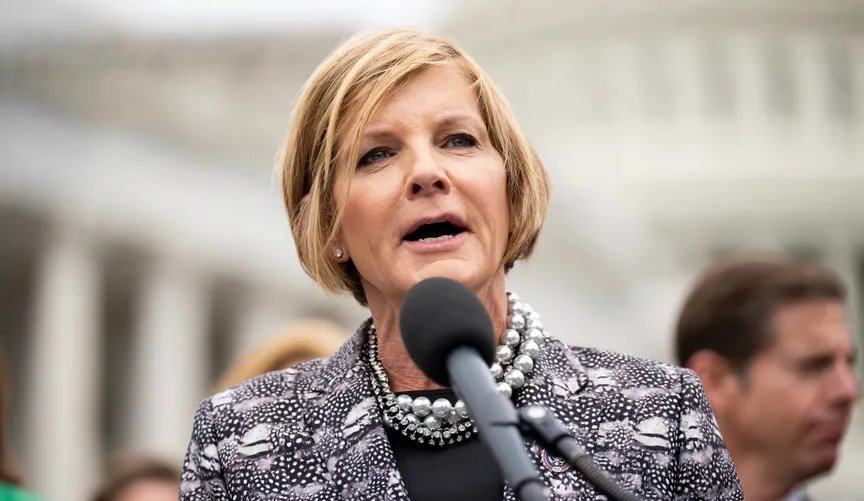
The legislative package, titled the Geothermal Energy Advancement Act (H.R. 5631), was jointly led by Republican Representative Jeff Hurd of Colorado and Democratic Representative Susie Lee of Nevada, and passed with broad support. The bill consolidates six measures aimed at addressing key permitting and regulatory barriers faced by geothermal companies during system construction and expansion.
Ben Brenner, head of federal policy and outreach at geothermal startup Zanskar, told Canary Media that these measures may seem like "low-hanging fruit," but they can bring tangible changes when actually developing projects, calling the House passage a huge milestone. On the same day, the House also separately passed another geothermal bill introduced by Republican Representative Russ Fulcher of Idaho, aimed at increasing the frequency and consistency of geothermal lease sales on federal lands.
The United States has been generating electricity from geothermal energy for nearly 70 years, starting with The Geysers power plant in Northern California. However, this carbon-free energy source currently accounts for only 0.4% of the nation's annual electricity generation, primarily limited by geographical conditions. Next-generation technologies make it possible to extract heat from areas without hot springs or natural reservoirs. For example, recently listed startup Fervo Energy uses drilling techniques from the oil and gas industry to produce clean electricity from dry hot rocks; Zanskar combines artificial intelligence with field surveys to identify traditional but hidden thermal resources in the western United States.
Experts point out that the federal government has yet to adapt to the growing needs of developers in terms of permitting, land leasing, and legal certainty. Since over 90% of identified U.S. geothermal resources lie beneath public lands, the Department of the Interior plays a key role in the development of this emerging industry. Terra Rogers, senior director of the Superhot Rock Geothermal Program at the Clean Air Task Force, stated in a release that as technology evolves, the regulatory environment must also evolve, praising Congress for taking practical steps to "unlock next-generation geothermal energy."
Currently, the geothermal bill has been sent to the Senate, but the timeline for action remains unclear. Brenner believes there is a realistic path for the bill to pass in the Senate, either as standalone legislation or as part of a broader permitting package.
Initially, Hurd introduced H.R. 5631 to enhance the Interior Department's expertise on geothermal issues, including establishing an "ombudsman" position—a liaison within the Bureau of Land Management responsible for clarifying confusion and resolving discrepancies in geothermal permitting decisions across field offices. The amendment passed this week also incorporated five additional measures: the STEAM Act (H.R. 1077), which grants geothermal developers the same streamlined environmental permitting pathway, known as "categorical exclusion," as oil and gas companies; the GEO Act (H.R. 301), requiring the Interior Department to process all drilling permit and license applications under existing geothermal leases within 60 days of completing necessary reviews; the Geothermal Royalty Reform Act (H.R. 5638), clarifying that geothermal power plants on the same lease pay royalties separately based on the service time of each facility; the Geothermal Gold Book Development Act (H.R. 5617), requiring the Bureau of Land Management to publish best practices for geothermal leasing and permitting; and the Geothermal Cost Recovery Authorization Act (H.R. 398), granting the Interior Department the authority to collect application and inspection fees from energy companies to accelerate geothermal projects. The sponsor of H.R. 398, Democratic Representative Alexandria Ocasio-Cortez of New York, stated that accelerating geothermal deployment could help alleviate soaring electricity bills in the U.S., noting that the bill package demonstrates Congress can still agree on common-sense solutions.
These measures could also benefit developers of high-power-consuming data centers, such as Google and Meta, which have invested in geothermal projects in Nevada and New Mexico, respectively. Both companies are members of the Corporate Energy Buyers Association, which advocates for carbon-free energy systems. Rich Powell, CEO of the association, said in a statement that few energy technologies enjoy such bipartisan support, describing geothermal as a reliable domestic resource. Geothermal's ability to generate power 24/7 attracts both Republicans and Democrats. Late last month, a bipartisan coalition of governors from Arizona, Colorado, New Mexico, and Utah launched a collaboration aimed at removing financial and logistical barriers to building potentially hundreds of gigawatts of geothermal capacity in the Mountain West.
The strong overlap between the geothermal industry and the oil and gas sector in terms of tools, workforce, and investors is another key reason the Trump administration supports this renewable energy source. Beyond the House bills, Brenner noted that bolder policy measures are needed to significantly increase the scale and pace of next-generation geothermal deployment in the U.S., including increased federal funding for research and exploration, as well as demonstration projects to help reduce geothermal development risks in new regions.
Updated June 3, 2026, to include legislation from Representative Russ Fulcher.
This article is compiled by Wedoany. All AI citations must indicate the source as "Wedoany". If there is any infringement or other issues, please notify us promptly, and we will modify or delete it accordingly. Email: news@wedoany.com