en.Wedoany.com Reported - General Motors (GM) is accelerating the integration of electric vehicles into grid dispatch. In a recent open letter to utility executives and policymakers, GM Energy Vice President Wade Sheffer called for widespread adoption of vehicle-to-grid (V2G) technology, emphasizing that public-private partnerships require unified, forward-looking commitments from all stakeholders to utilize EVs as distributed energy resources for the grid.
The International Energy Agency (IEA) believes that among assessed technologies, V2G offers the greatest hourly energy flexibility, helping to limit future grid investments. GM alone has over 250,000 vehicles with bidirectional charging capabilities on U.S. roads, while the IEA projects 250 million EVs globally by 2030. Sheffer noted that EVs equipped with advanced batteries remain largely untapped, and GM aims to collaborate to transform them into dynamic infrastructure assets.
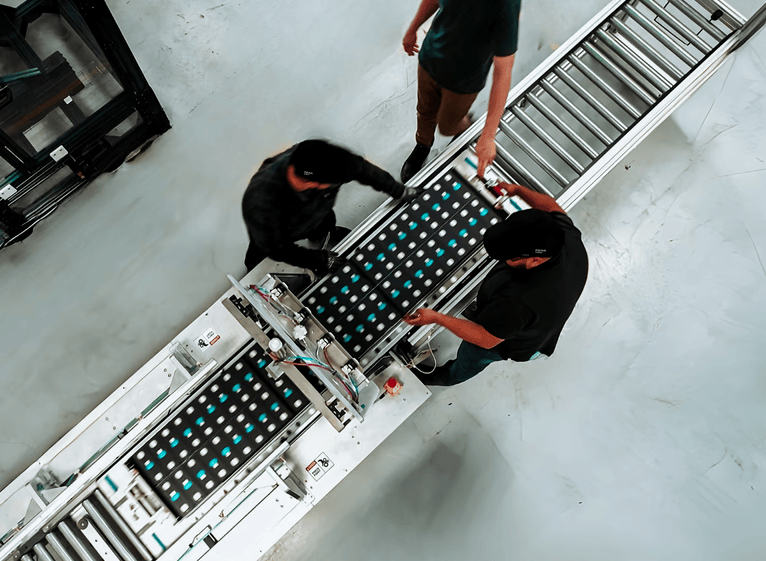
GM is actively testing V2G integration. A partnership with California utility Pacific Gas and Electric (PG&E) is expected to add over 52,000 EVs to grid balancing projects by 2030. Another collaboration with Michigan's DTE Energy uses GM employees' homes as a test platform for backup capacity projects.
Sheffer believes that clear and appropriate incentives will motivate consumers to adopt EVs or participate in V2G programs. For example, expanding localized time-of-use rates could allow EV owners to charge economically during energy surplus and receive compensation for supporting the grid during peak demand. Consumers can view their vehicles as assets, offsetting some operating costs while benefiting the grid. Simplifying paperwork, engineering reviews, and utility interconnection processes is also key to building consumer confidence, enabling customers to purchase bidirectional chargers, plug in, and start participating immediately.
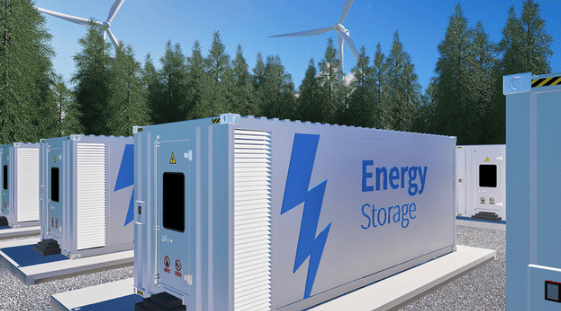
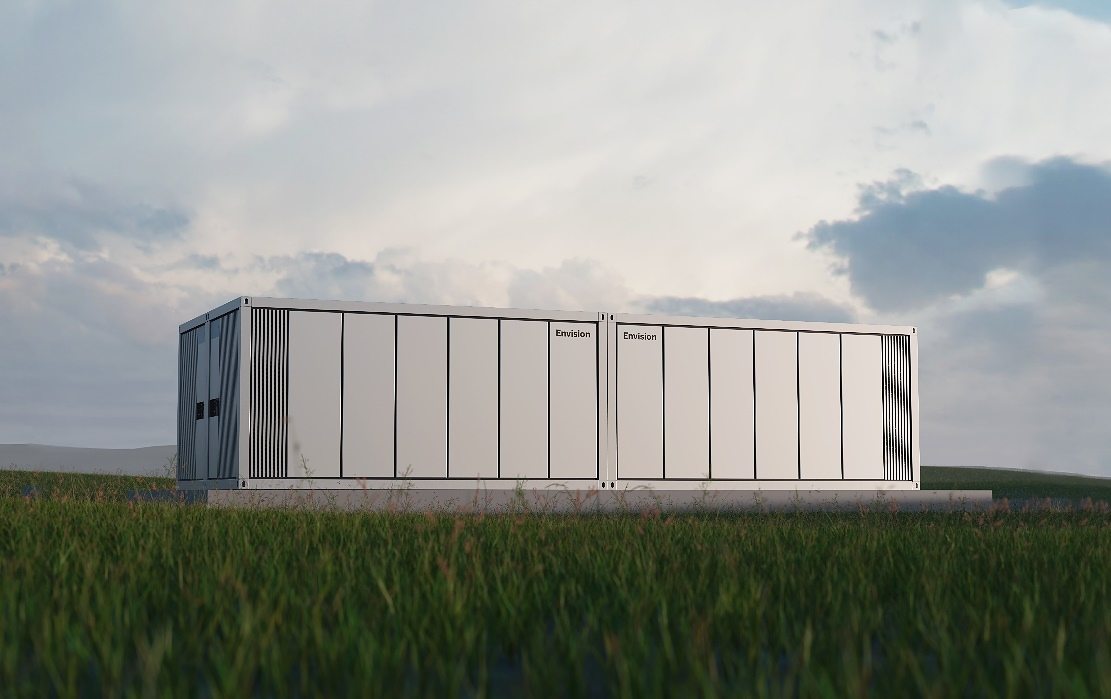
Alongside V2G efforts, GM is also exploring sodium-ion battery technology for grid energy storage. GM and U.S. energy storage provider Peak Energy announced a strategic partnership to jointly develop and deploy next-generation sodium-ion battery cells designed for grid storage. Backed by strategic investment from GM Ventures, the collaboration combines Peak's passive cooling storage technology with GM's battery cell development expertise. GM will develop sodium-ion cells at its Michigan battery lab, retaining exclusive manufacturing rights, while Peak will integrate the cells into its proprietary energy storage systems.
Peak Energy CEO and co-founder Landon Mossburg stated that reducing energy costs is a critical issue in the U.S. today, and the company's storage systems are safer, cheaper, and faster to deploy than other technologies on the market. Current storage technology primarily revolves around lithium iron phosphate (LFP) chemistry, requiring active cooling to maintain safe operating temperatures. Peak Energy claims its proprietary passive cooling sodium-ion system reduces storage costs by 20% compared to traditional systems and achieves over 99% uptime. According to Peak Energy's analysis, the U.S. could reduce up to 2 terawatt-hours of wasted storage annually by shifting from LFP-based systems to its passive cooling system.
GM Vice President of Batteries and Sustainability Kurt Kelty noted that compared to existing chemistries, sodium-ion batteries can operate across a wider temperature range and achieve more cycles, potentially running without active cooling and reducing system complexity. In large-scale storage systems, active cooling requires more hardware, more maintenance, more parasitic energy losses, and more failure points, driving up costs over time.
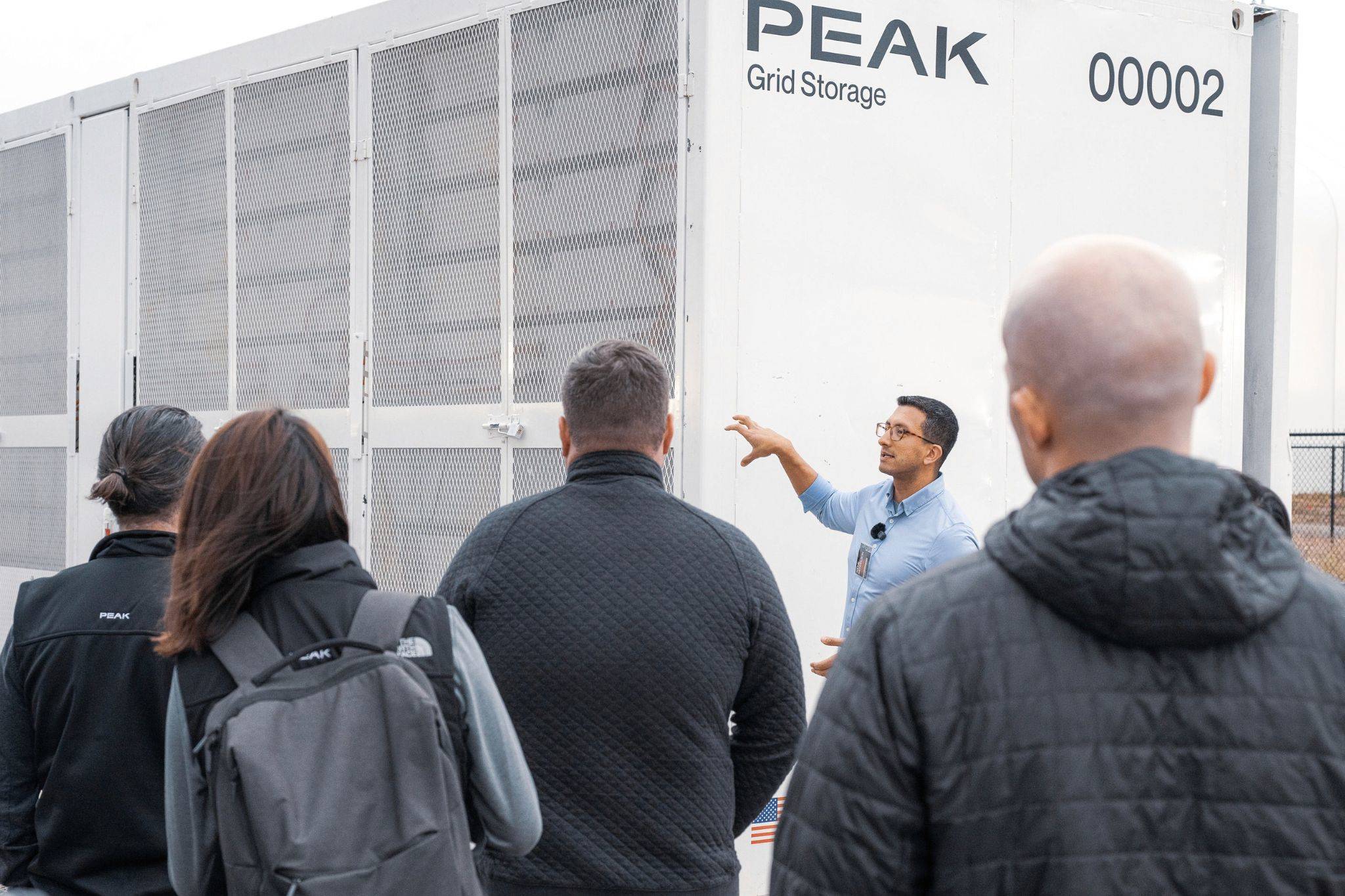
Peak Energy stated that its system significantly reduces storage costs and the need for new power generation. Relying on highly stable sodium-ion (NFPP) battery cells, the system eliminates costly routine maintenance, removes energy-consuming cooling systems, and reduces excess storage needed due to capacity degradation. By removing moving parts such as active cooling, fans, and pumps, Peak Energy's 3.5 MWh battery energy storage system eliminates over 85% of root causes of historical failures. Performance tests show the system can reduce auxiliary power usage by up to 90%, saving approximately $1 million per gigawatt-hour installed annually compared to LFP systems.
Peak Energy delivered its first system last summer for a shared pilot involving nine utilities and independent power producers. The company claims it is the first fully passive megawatt-scale battery energy storage system, the world's largest sodium-ion phosphate pyrophosphate (NFPP) battery system, and the first grid-scale sodium-ion storage solution deployed to the U.S. grid. The company signed a multi-year phased agreement with Jupiter Power to supply up to 4.75 GWh of sodium-ion BESS, planned for deployment between 2027 and 2030. Additionally, due to the global abundance of sodium, battery manufacturers can alleviate supply chain pressures and reduce reliance on lithium, whose supply chain is concentrated in a few regions, with over 70% of lithium processing capacity belonging to China.
In the stationary storage sector, sodium-ion technology is gaining traction. Mukesh Chatter, co-founder and CEO of sodium-ion battery pioneer Alsym Energy, believes stationary storage will undergo a major shift from lithium-ion to sodium-ion solutions, with sodium-ion becoming the better battery for stationary storage within five years.
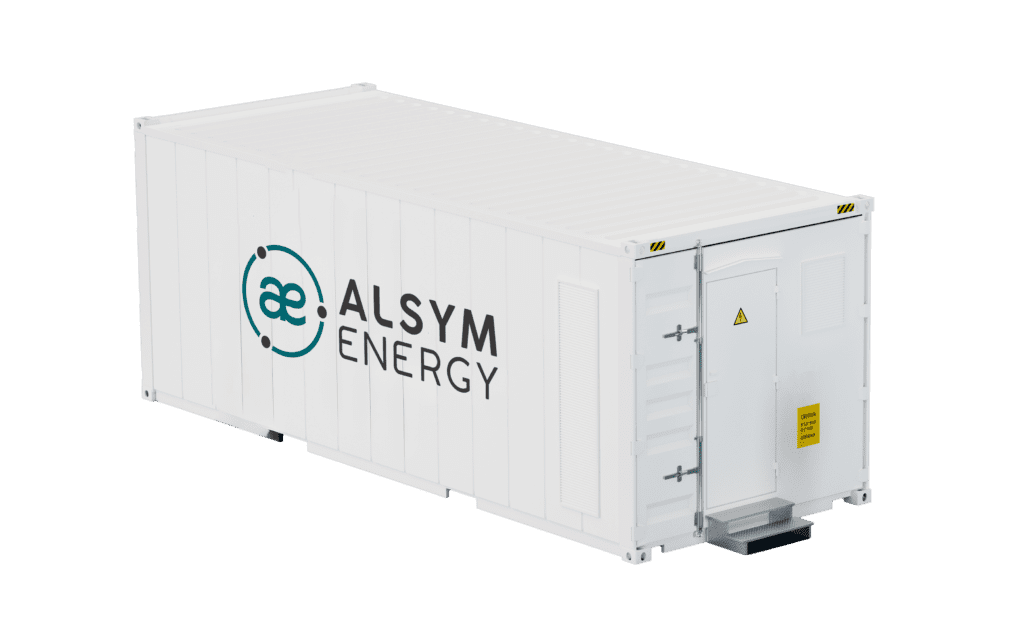
Alsym is partnering with renewable energy developer Juniper Energy to deploy 500 MWh of battery energy storage systems, primarily in California. By integrating Alsym's Na series technology, Juniper will deploy storage assets that eliminate fire risks associated with traditional lithium-ion chemistry in high-temperature areas like the Mojave Desert. The company's specific chemistry is inherently non-flammable and does not undergo thermal runaway, enabling it to support the grid in dense urban environments and existing infrastructure. This month, Alsym signed an agreement with domestic manufacturer Re:Build Manufacturing to develop commercial-scale sodium-ion battery cell manufacturing capacity in the U.S. The company also partnered with long-duration energy storage system manufacturer ESS Tech to add 8.5 GWh of cells and modules for a system originally focused on iron flow storage.
This article is compiled by Wedoany. All AI citations must indicate the source as "Wedoany". If there is any infringement or other issues, please notify us promptly, and we will modify or delete it accordingly. Email: news@wedoany.com