en.Wedoany.com Reported - Reid has launched the ReidBar™ TX Coupler mechanical splicing system, designed to shorten installation time and improve constructability for bridge projects while meeting Australia's most stringent code requirements.
Reid is one of Australia's largest manufacturers of concrete lifting, reinforcement, and fastening systems. The company has a long history of service in the civil infrastructure sector, but its previous business was primarily focused on the commercial sector. As the infrastructure market enters a period of transformation due to code changes, Reid is seeking to improve its existing systems for upcoming bridge and transport infrastructure projects.
"Not long ago, a significant amount of government funding was directed into civil infrastructure projects. During the COVID-19 pandemic, commercial projects slowed down a bit, but the infrastructure sector received a real boost. We see this as a growth area and a clear opportunity for our business," said Glen Taylor, Product Manager for Reid in Australia and New Zealand.
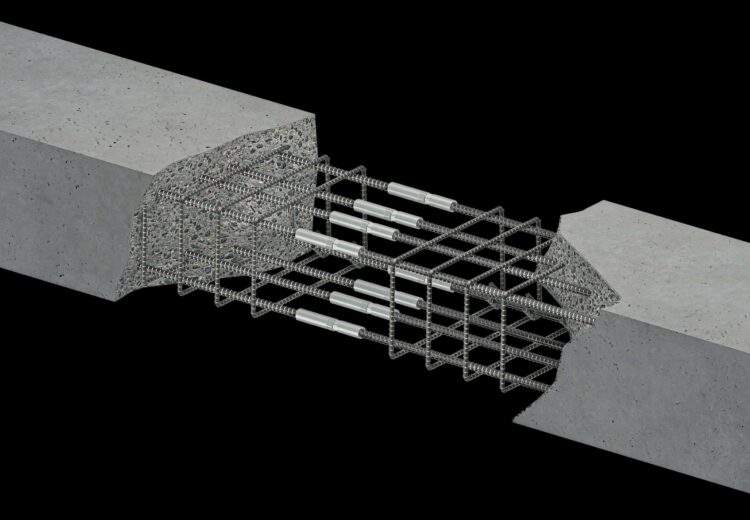
Brent Mills, Project Manager at Reid, noted that both the delivery methods for bridge projects and the nature of the components themselves are changing. "We are seeing larger precast segments, more rebar, larger rebar, and overall greater amounts of reinforcement. This is driving the need for heavier connections." The ReidBar, as a fully threaded rebar system, is designed around mechanical reinforcement connections, using couplers and engineered fittings to replace traditional lap splices.
The key differentiator of this system is that the ReidBar is supplied directly from the steel mill in a "coupler-ready" state, specifically manufactured to accept the connection system without requiring additional processing such as cutting or thread rolling. This approach avoids altering the material properties of the rebar. Since the original characteristics of the rebar remain unchanged, contractors can rely on the specified steel strength and performance.
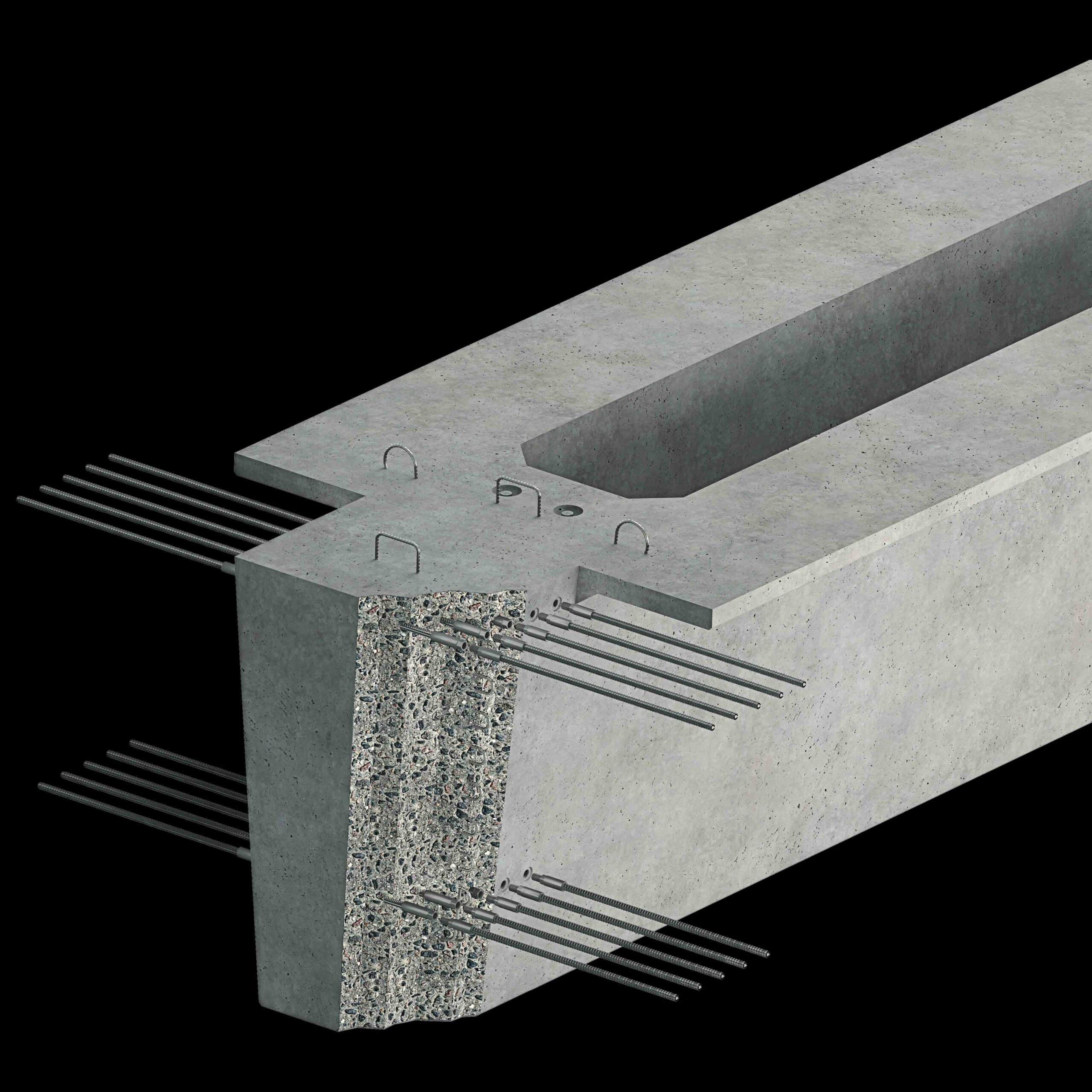
To ensure high-level performance, Reid conducts thorough testing on each of its products, exceeding the requirements needed to meet national standards. Taylor explained that the ReidBar has passed the full ISO 15835 testing regime, including high-cycle fatigue, low-cycle fatigue, and specified yield strength tests. "Our real strength lies in high-cycle fatigue. We subject the system to two million push-pull cycles to simulate vibration and fatigue in the connection. Think about bridges—large, open structures constantly subjected to vibrations from trucks, trains, and wind—these movement cycles are critical."
The product was specifically developed to meet the requirements of major state road authorities in Queensland, New South Wales, and Victoria, whose codes are influential nationwide. Transparency in testing and code compliance also extends to the delivery process, with customers provided with key information to assist with final installation.
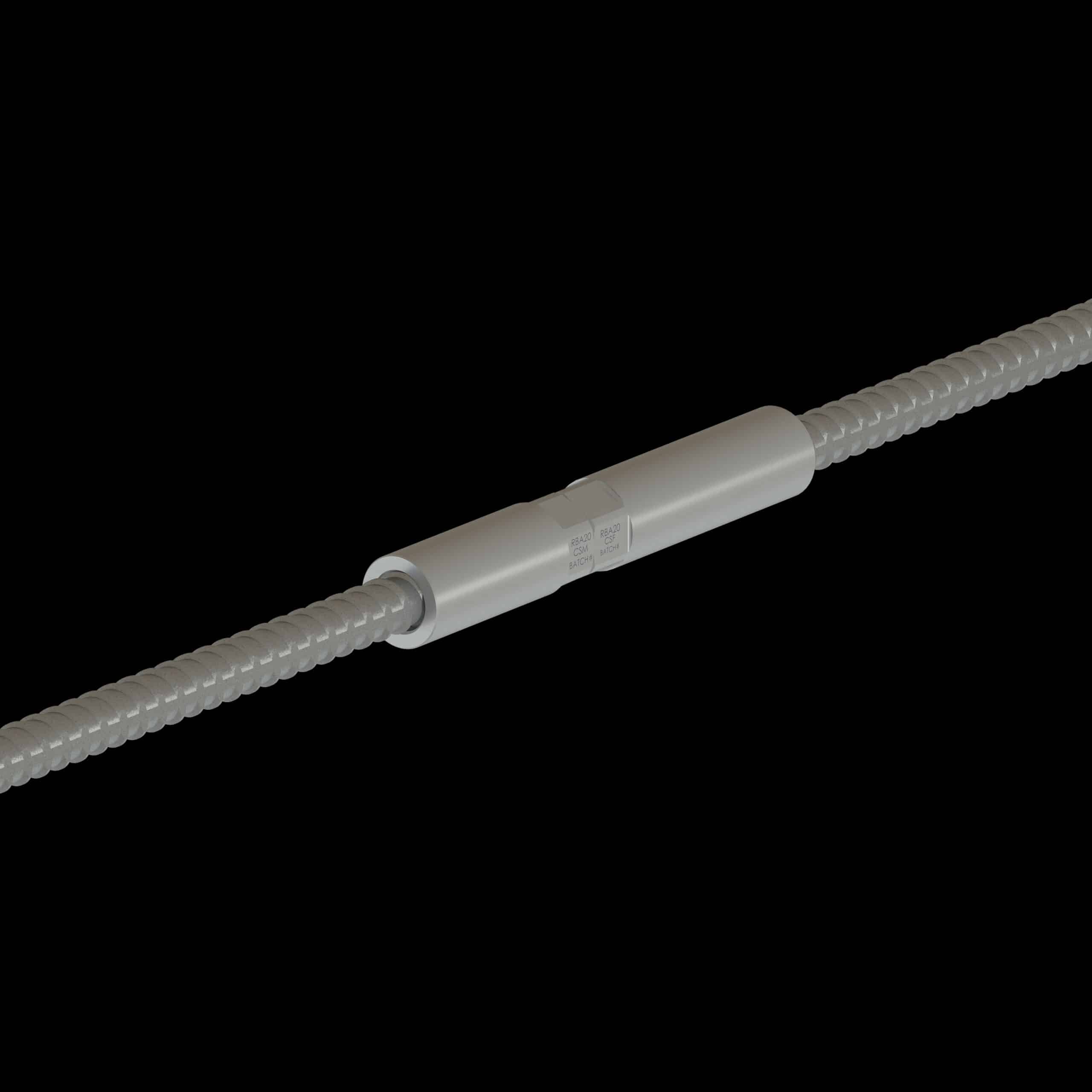
"Because it's a fully threaded rebar, we can do it relatively quickly without having to first get the rebar, then process it, and then install the coupler," said Mills. "We have a dedicated team responsible for preparing take-off lists, creating shop drawings, and providing contractors with all the documentation needed for approvals and ordering. All products have batch numbers and are traceable from the factory to installation."
Reid also leverages its industry relationships to drive innovation. Addressing the frequent misalignment of rebar seen with other systems on the market, Reid resolved this issue in its recently released product through an internal stiffener plate to maintain alignment and reduce rework. "For us, the best feedback is repeat business. If we do a good job from start to finish, customers come back," said Mills.
This article is compiled by Wedoany. All AI citations must indicate the source as "Wedoany". If there is any infringement or other issues, please notify us promptly, and we will modify or delete it accordingly. Email: news@wedoany.com