en.Wedoany.com Reported - Finnish multinational Neste is advancing the expansion of its biorefinery at the Port of Rotterdam in the Netherlands, with an investment of €2.5 billion. The project aims to increase the annual production capacity of renewable products from the current 1.4 million tons to 2.7 million tons by 2027, of which 1.2 million tons will be dedicated to sustainable aviation fuel (SAF). This decision was made in 2022 when global market demand was still uncertain.
Upon completion, Neste's SAF production capacity will increase 22-fold from approximately 100,000 tons in 2023. Currently, the refinery is already the largest biorefinery in Europe, and its expansion stands out against the backdrop of energy companies such as Shell and BP shifting back to oil and natural gas.
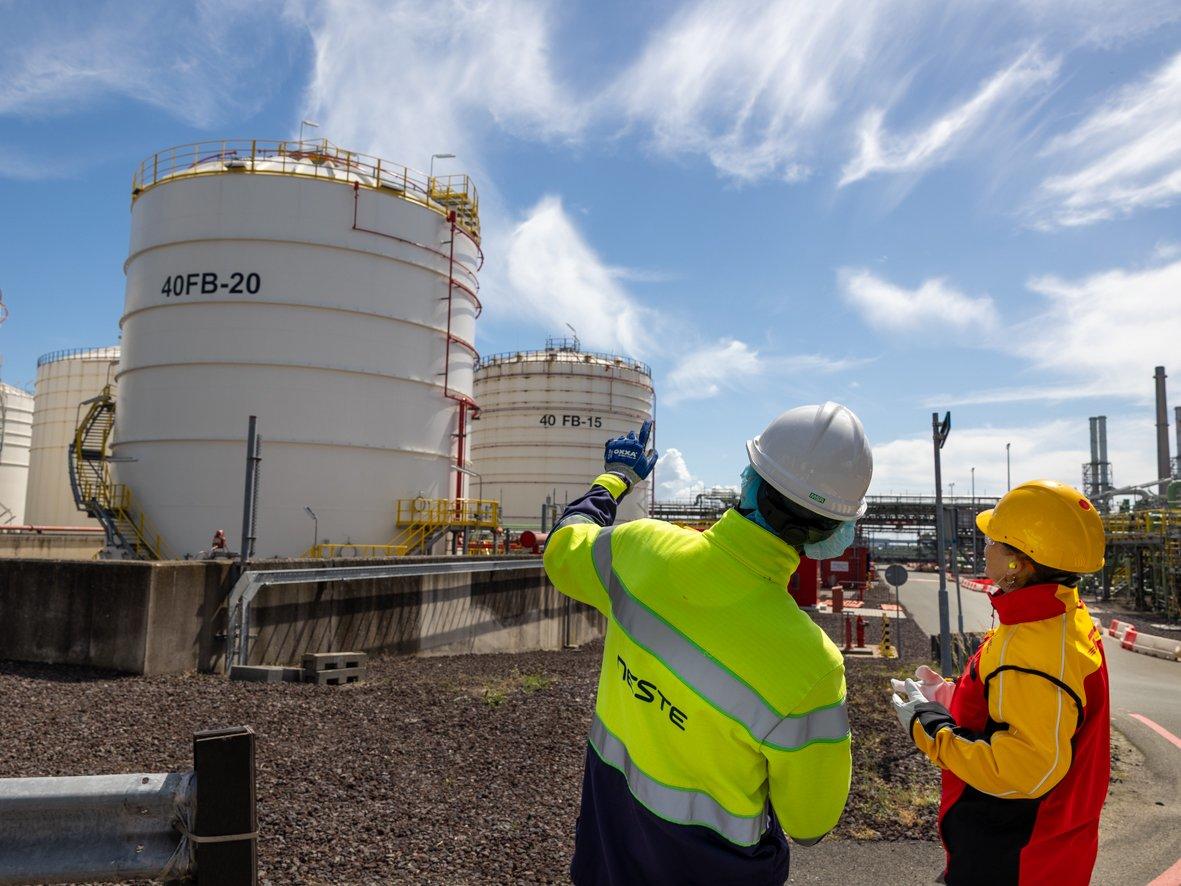
The refinery primarily uses animal fats and used cooking oil as raw materials. After arriving at the dock by ship, the raw materials must be stored and pumped at a constant temperature of 60 degrees Celsius to prevent solidification. Once in the production process, the raw materials undergo deep purification and chemical treatment, with isomerization being a key step to restructure the molecular composition of biofuels, preventing them from freezing during high-altitude flights or in low-temperature environments. Catalysts are the core chemical components in the process and need to be replaced annually, requiring the plant to shut down for six weeks. The final products, renewable diesel and SAF, are colorless, odorless, transparent liquids.
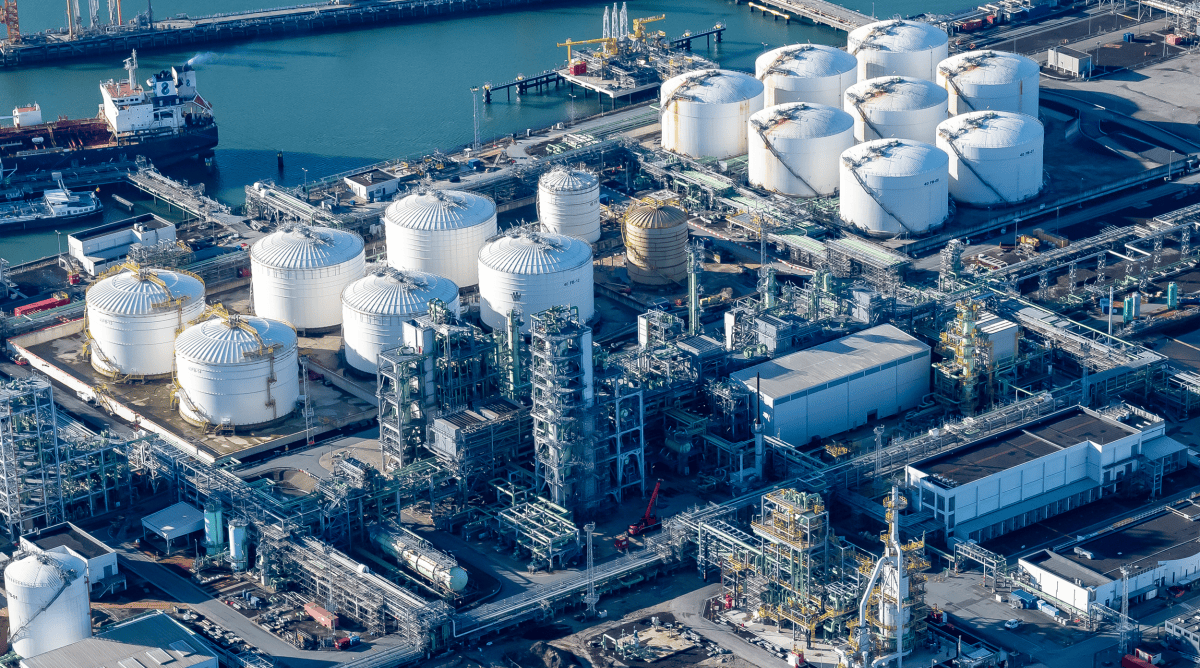
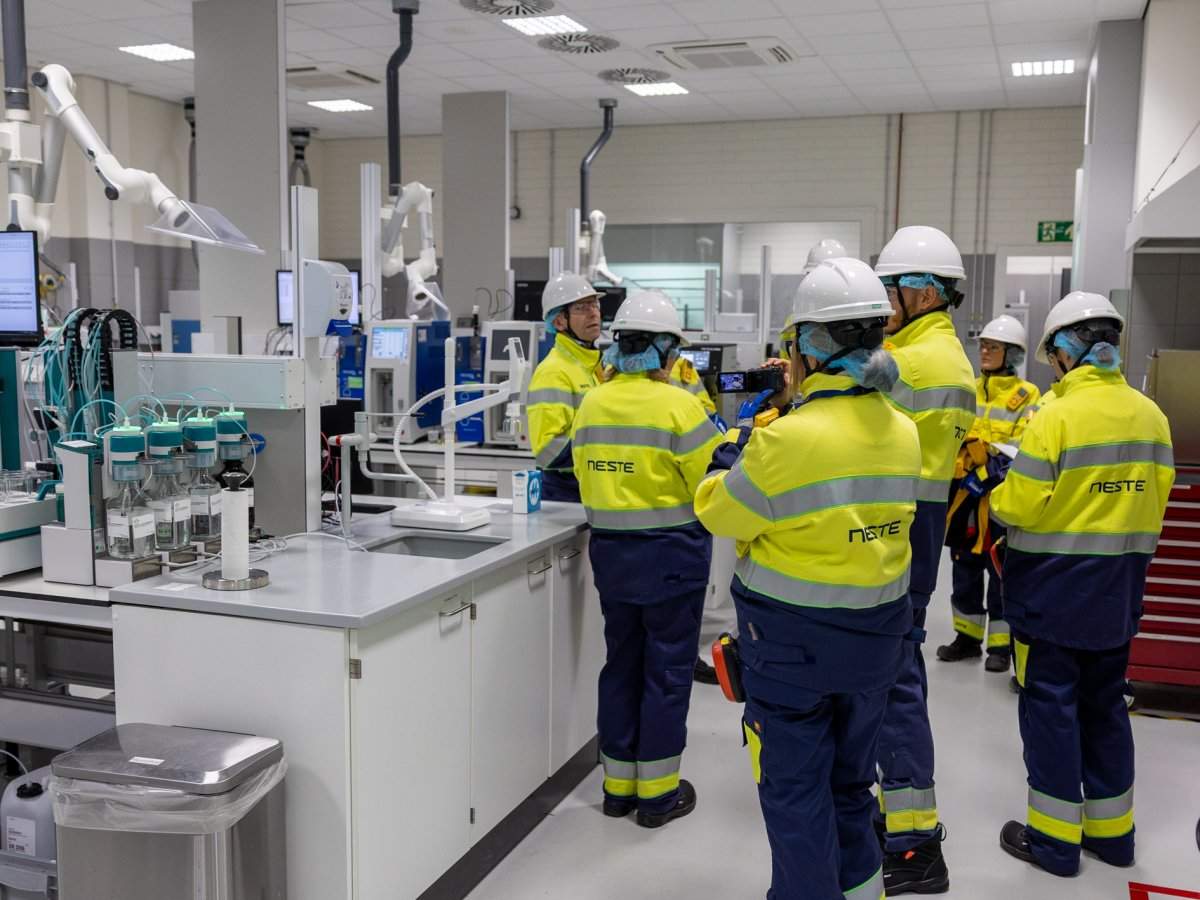
The plant operates with a high degree of digitalization, with only 15 professionals managing all processes from a central control center, and it can be operated remotely. Its laboratory analyzes approximately 100,000 samples annually to ensure quality, a figure that will increase to 300,000 after the expansion. The plant has also launched a pilot project using 60 kilograms of green hydrogen to explore ways to further reduce carbon emissions in the production process.
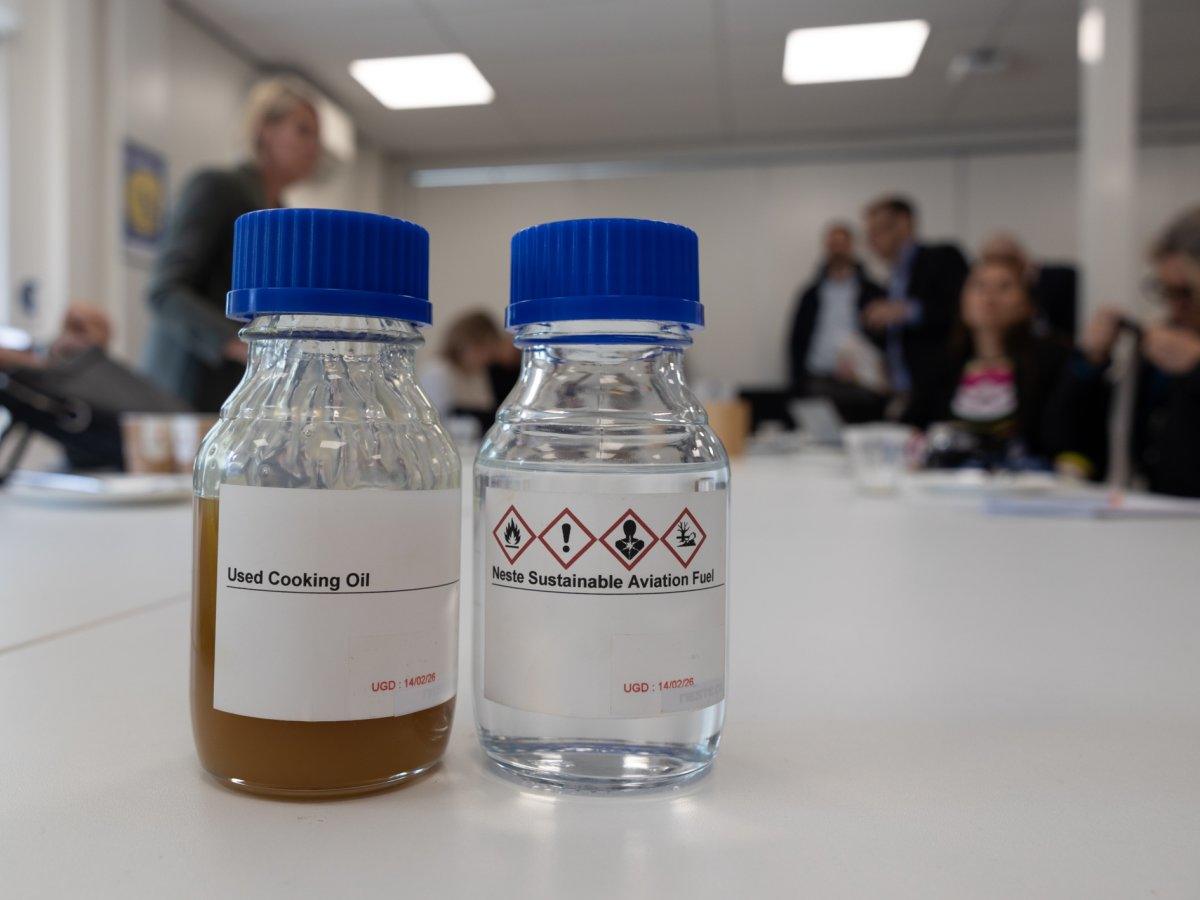
Compared to traditional fossil fuel refineries, this biorefinery has two notable differences. One is the smell: there is no hydrocarbon odor on site, but rather a scent similar to olive oil pressing. The other is the flare: in traditional refineries, flares often emit continuous smoke due to burning waste gases, whereas here, the flare is extinguished most of the time, reflecting cleaner and more efficient process control.
Neste management stated that the current challenge facing the industry is not supply capacity, but demand uncertainty. The cost of SAF is currently three times that of fossil kerosene, but EU regulations require airlines to gradually increase the SAF blending ratio from the current 2% to 6% by 2030 and 20% by 2035, providing long-term market momentum. Mario Mifsud, Vice President of Renewable Fuels Trading and Sales for Europe, Middle East, Africa, and Asia Pacific at Neste, pointed out that the company's investments are based on a 20- to 25-year cycle, rather than short-term political trends.

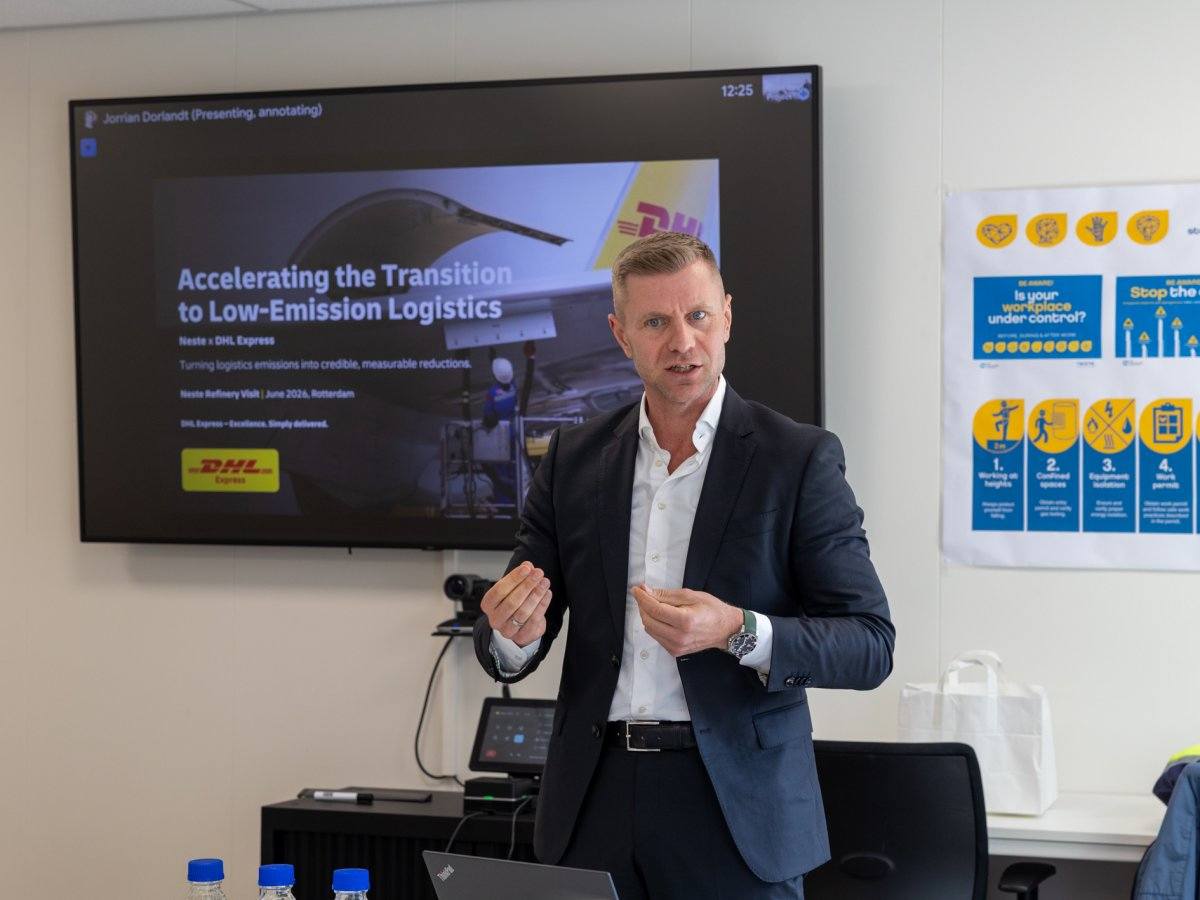
The company also clarified that burning SAF is not zero-carbon, but compared to fossil fuels, its full lifecycle (including raw material collection, production, and logistics) can achieve a net greenhouse gas emission reduction of 80% to 90%. The soot particles emitted during SAF combustion are significantly reduced, helping to decrease the formation of contrails at high altitudes and mitigate their thermal effects. Neste has established a strategic alliance with DHL Group, and since 2022, the logistics giant has signed agreements to purchase over 800 million liters of SAF, with both parties aiming for an annual SAF supply of 300,000 tons by 2030.
This article is compiled by Wedoany. All AI citations must indicate the source as "Wedoany". If there is any infringement or other issues, please notify us promptly, and we will modify or delete it accordingly. Email: news@wedoany.com