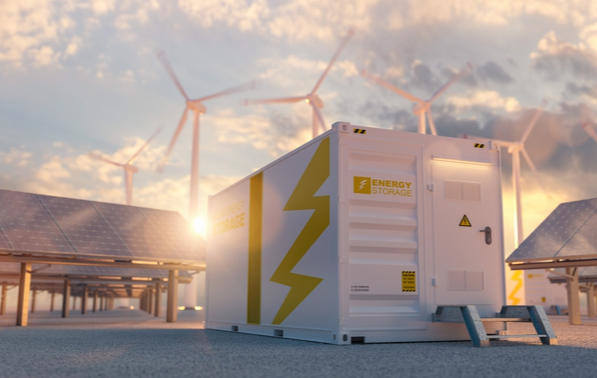
en.Wedoany.com Reported - A research project in Weidesthal, Germany, is testing a DC-coupled commercial battery energy storage system to evaluate its effectiveness in reducing material usage, improving system efficiency, and alleviating grid connection constraints. The project is jointly conducted by Sigenergy, EnBW, and the Center for Solar Energy and Hydrogen Research Baden-Württemberg (ZSW).
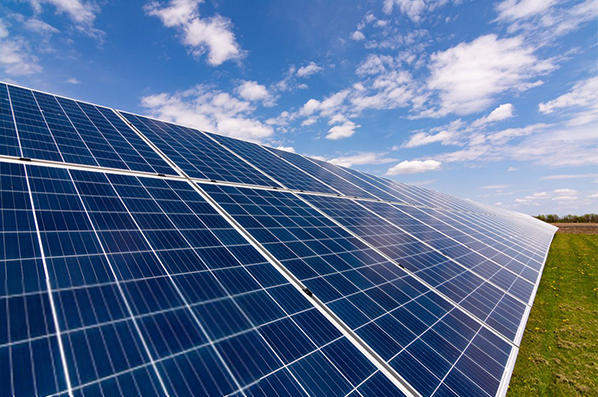
The system under test has a capacity of 252 kWh and utilizes Sigenergy's Sigen Hybrid 60 M1-HYA hybrid inverter, which supports direct DC coupling between the photovoltaic system and the battery.
The DC-coupled architecture reduces the need for power electronics compared to traditional AC solutions. In a typical AC-coupled system, a 100 kW photovoltaic system connected to a 50 kW grid interface requires a 100 kW PV inverter and a 50 kW battery inverter capacity, while output limitations are imposed to manage the power fed into the grid.
In the DC-coupled solution, a single 50 kW hybrid inverter can manage both photovoltaic power generation and battery storage functions. If the PV system generates 100 kW of power, 50 kW can be converted and fed into the grid, while the remaining 50 kW is directly stored in the battery on the DC side, eliminating the need for an additional battery inverter.
Sebastian Feges of Sigenergy's direct sales division DACH (Germany, Austria, Switzerland) stated that battery energy storage systems have historically been dominated by AC architectures, but the market is gradually recognizing the safety and efficiency advantages of DC operation.
The partners noted that when the PV system capacity is excessively large relative to the grid connection capacity, AC-coupled systems require more hardware support, and limited connection permissions often result in smaller installed capacities. In contrast, DC coupling can support larger PV systems under existing grid connection conditions and utilize infrastructure more efficiently.
The project also explores a hybrid operation mode, where the battery is charged not only from on-site PV generation but also from the grid. This approach is related to Germany's proposed "MiSpeL" regulatory framework, which aims to define how stored energy is tracked and allocated to distinguish between renewable and grid-sourced electricity.
According to the current draft, DC-coupled systems do not qualify for the most flexible accounting options and can only use a simplified allocation model. The partners hope to demonstrate through the project that DC-side metering can still accurately differentiate between green electricity and grid power, potentially influencing future regulatory revisions.
This article is compiled by Wedoany. All AI citations must indicate the source as "Wedoany". If there is any infringement or other issues, please notify us promptly, and we will modify or delete it accordingly. Email: news@wedoany.com