en.Wedoany.com Reported - The M&A environment in Brazil's broadband industry is currently under dual pressure from high interest rates and oversupply. Despite recent transactions such as Claro's acquisition of Desktop and consolidation driven by Brasil TecPar, market analysts believe the current climate is not favorable for deal-making.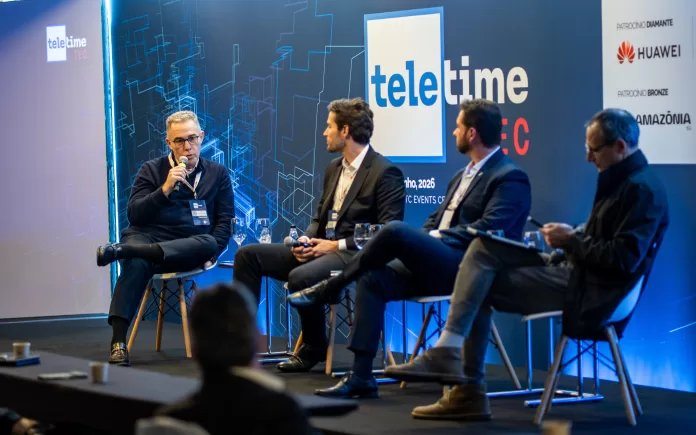
This view was shared by José Valder Nogueira, Director of Investment Banking at Santander, and Gustavo Rheingantz, Partner and Director at BR Partners, during the Teletime Tec event organized by TELETIME in São Paulo. The two M&A experts noted that from the second half of the 2010s to the early stages of the COVID-19 pandemic, service providers benefited from a favorable expansion environment. At that time, the Selic rate remained at a low of 2% per year between August 2020 and March 2021, and there was ample room for fiber optic network deployment across Brazil, with investments driving customer growth. However, the current oversupply of broadband services has led to price adjustments and hindered the appreciation of fiber asset values, while interest rates have suppressed transactions in productive sectors.
Nogueira stated that market expectations for valuations do not align with the current reality, and the growth drivers that service providers once had no longer exist. He emphasized that when interest rates were at 2%, the industry could afford to experiment extensively; but now, with the Selic rate at 14.5% per year since the end of April, the situation is completely different.
In addition to macroeconomic and competitive factors, capital flows have also shifted. Rheingantz pointed out that funds investing in fiber optics typically also engage in other infrastructure sectors such as towers and data centers, creating competition for resources among these areas. Currently, demand driven by artificial intelligence has made data center investments a focal point, and funds that once focused on fiber optics are now more interested in data centers, which offer greater growth prospects. Private equity funds typically follow investment cycles of 5 to 10 years and tend to favor growth industries, so the window for broadband investment has theoretically passed. Nogueira confirmed this trend, adding that capital is limited; funds previously used to build fiber optic and mobile networks are now being allocated by some to purchase powered land, and they see significant demand for this at banks.
Nogueira also noted that some potential M&A deals have stalled because internet service providers (ISPs) have yet to assess the impact of tax reform on their operations. He believes that the situation for broadband service providers may worsen after the new system takes effect, as everyone has an unpriced sword hanging over their heads, preventing some M&A deals from moving forward.
This article is compiled by Wedoany. All AI citations must indicate the source as "Wedoany". If there is any infringement or other issues, please notify us promptly, and we will modify or delete it accordingly. Email: news@wedoany.com