John Crane Retrofits Copper Mine Pump Seals, Saving 288,000 Liters of Water Per Pump Per Day
en.Wedoany.com Reported - John Crane has completed a mechanical seal retrofit at an operating copper mine, reducing the seal flush water consumption of an underflow thickener slurry pump from approximately 20 cubic meters per hour with traditional packing seals to about 7.5 to 8 cubic meters per hour with mechanical seals, saving roughly 288,000 liters of water per pump per day. This retrofit demonstrates the potential of seal technology improvements in water conservation within the mining industry.
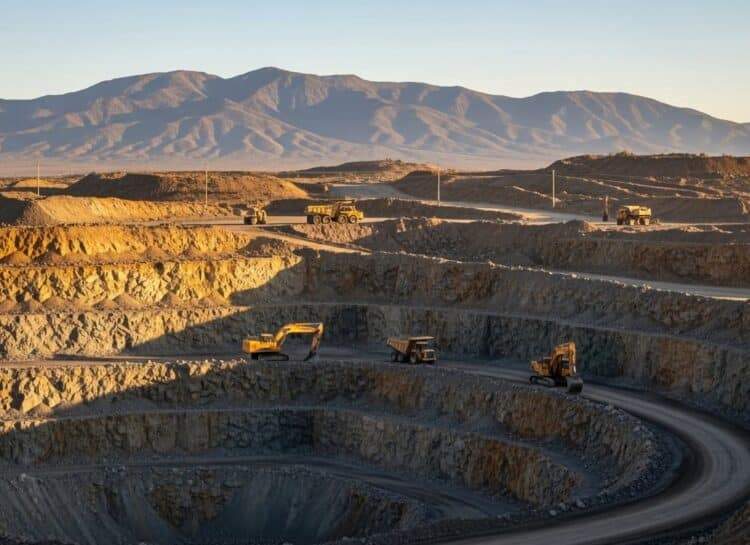
Copper mining is primarily concentrated in regions facing severe water supply constraints. Chile's Atacama Desert hosts large copper mines but receives less than 1 millimeter of rainfall annually. Zambia and the Democratic Republic of the Congo also face water management challenges, with mining operations competing for limited resources with local communities and agriculture. Water competition can escalate into regulatory intervention or social conflict, and investors have raised questions about related operational and geopolitical risks.
Nearly every stage of copper ore processing consumes water, with large operations potentially using millions of liters daily for grinding, flotation, and tailings management. Traditional slurry pump seals rely on continuous clean water flushing to prevent equipment failure and maintain efficiency, but water usage accumulates during continuous operation. Underflow thickener pumps transport dense slurry with approximately 65% solids content from the thickener bottom to the tailings system. Previously using packing seals, these pumps wore rapidly in abrasive slurry, requiring continuous clean water to flush solids and provide cooling.
John Crane replaced the packing with mechanical seals. The seal consists of two precision-machined faces pressed together to form a near-zero leakage barrier. The retrofit kit requires no modifications to the pump itself, with adaptor sleeves used to match shaft dimensions. The seal employs a controlled flush device to keep faces clean, with diamond face materials providing protection if flush pressure drops. With a shaft diameter of 270 millimeters, it is the largest slurry seal the company has sold to date.
According to John Crane data, the pump with the new seal uses approximately 7.5 to 8 cubic meters of seal water per hour, compared to about 20 cubic meters per hour for a pump using traditional packing at the same site. The difference of roughly 12 cubic meters per hour equates to saving about 288,000 liters of water per pump per day (based on a comparison of single pumps at the site). The retrofit also reduced maintenance frequency, with the new seal designed for replacement only during annual overhauls, whereas the previous shaft sleeve required replacement every four months, each time needing mechanical maintenance personnel, a 100-ton crane, and approximately 36 hours of two-shift work.
Warren Smith, Global Mining Market Director at John Crane, stated that the project demonstrates the results achievable through improved sealing. Underflow thickener pumps are among the most critical assets in a mine's tailings circuit, and improving seals can reduce maintenance exposure, decrease the clean water required for sealing, while supporting more predictable planned maintenance.
The single pump retrofit showcases water-saving potential, but the scale of opportunity becomes clearer when considering the entire mining operation. Large copper mines may operate dozens of pumps handling abrasive slurry in the processing circuit, many still using traditional packing seals. Applying the same retrofit to the entire pump fleet could save millions of liters of water per day at a single operation. In regions like the Atacama, Zambia, and the Democratic Republic of the Congo, where water supply is limited and under pressure, reductions of this magnitude could impact operational costs and regulatory compliance. The operational rationale for water efficiency extends beyond environmental reporting; water scarcity directly translates into production constraints, and improving water efficiency per ton of ore processed can enhance operational resilience.
John Crane is a division of Smiths Group, a FTSE 100 industrial technology company operating in over 50 countries. The retrofit does not solve the overall water challenges of the mining industry, but the results show that operational upgrades can deliver meaningful reductions without relying on corporate sustainability commitments.
This article is compiled by Wedoany. All AI citations must indicate the source as "Wedoany". If there is any infringement or other issues, please notify us promptly, and we will modify or delete it accordingly. Email: news@wedoany.com
Related Products

1050-1750mm Steel Strip Single-stand Reversible Cold Rolling Production Line
MCC-SFRE HEAVY INDUSTRY EQUIPMENT CO., LTD.
Yunnan Phosphorus Chemical Group Co., Ltd. 2 Million t/a Phosphorus Ore Mining and Beneficiation Project
China Bluestar Lehigh Engineering Corporation
Integrated Excavation and Anchoring Machine (EJM Series)
China Railway Construction Heavy Industry Corporation Limited
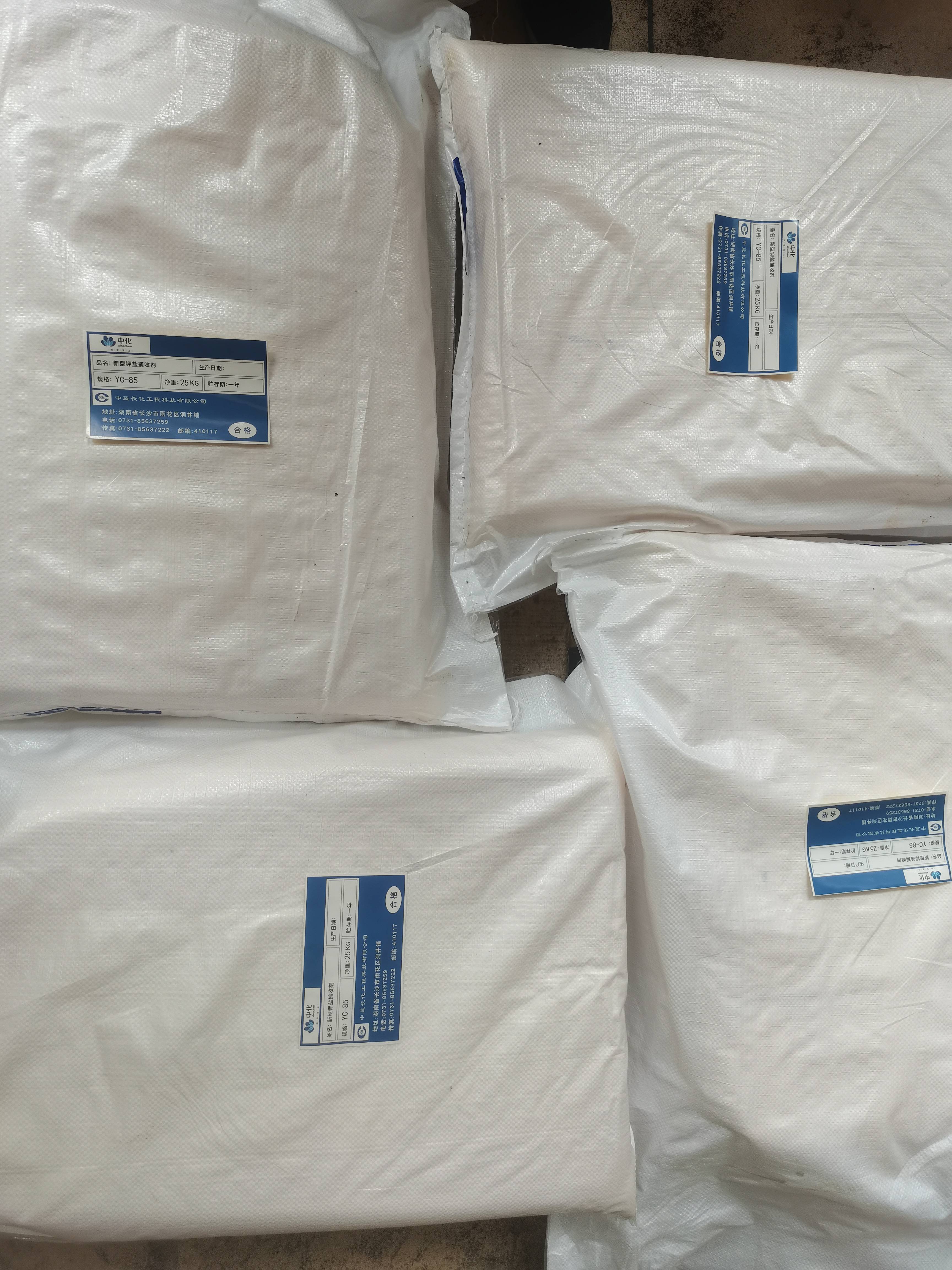
New Environmentally Friendly Green Potassium Salt Collector
Chonfar Engineering and Technology Co., Ltd.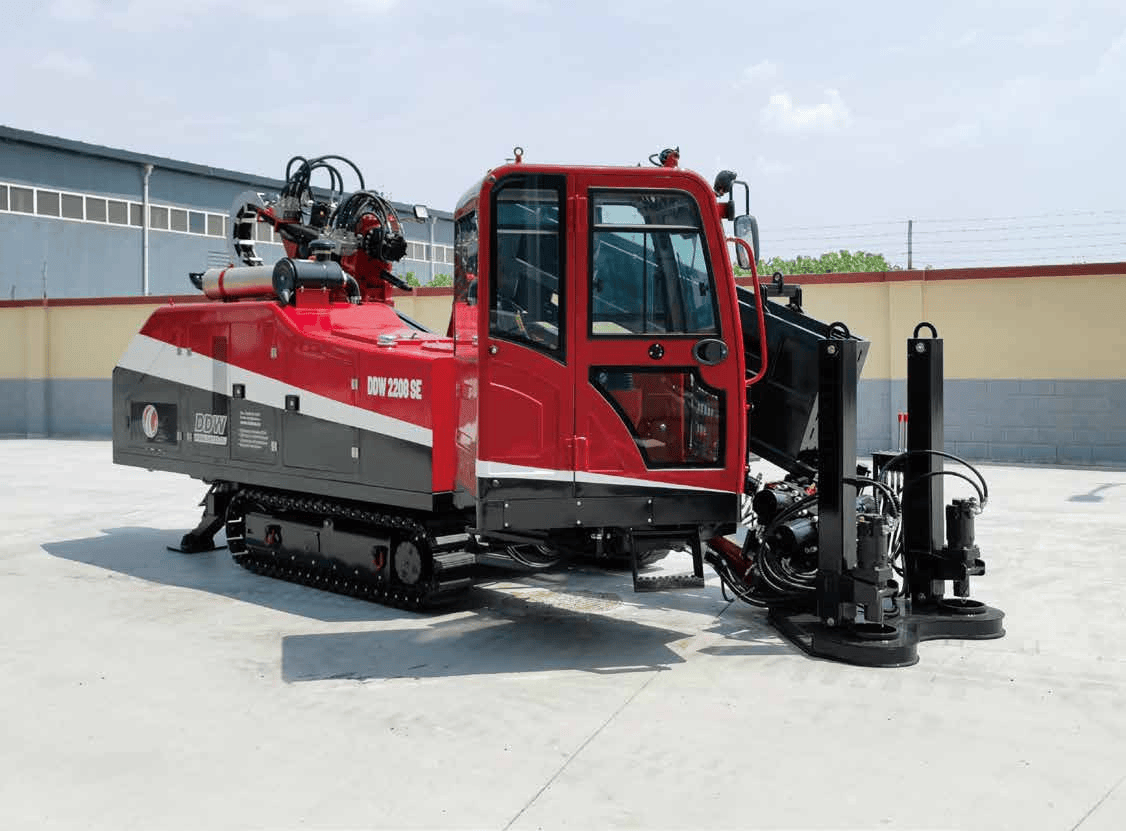
DDW22/08SE-HORIZONTAL DIRECTIONAL DRILL
DW/TXS Construction Equipment (Beijing) Co., Ltd.
Industrial and Commercial Point-Type Gas Detector
Jinan Benan Technology Development Co., Ltd.