en.Wedoany.com Reported - Energy engineering systems are shifting from "single-point project advancement" to "global collaborative restructuring under high-load system constraints." When data centers, grid expansion, new energy equipment, and cross-border energy cooperation are superimposed simultaneously, engineering going global is no longer a matter of equipment output, but a redefinition of power system carrying capacity and industrial organization.
Based on the latest developments in energy engineering on June 14, the industry has released three key structural signals: First, the power demand side is being reshaped by data centers and computing infrastructure, with Texas, USA, experiencing an ultra-large-scale load growth of "480 data centers planning to connect to the grid, with demand reaching 418 GW" (480 Data Centers in Texas, USA, Plan to Connect to Grid by 2032, Demand 418 GW); Second, new energy and transnational power cooperation continue to evolve towards deeper regional integration, for example, China Southern Power Grid's Guangxi Nanning Power Supply Bureau signed a cooperation memorandum with a Lao power company (China Southern Power Grid Guangxi Nanning Power Supply Bureau and Lao Vientiane Second Company Sign Cooperation Memorandum of Understanding); Third, the technical boundaries of power systems are being continuously expanded by AI, robots, and new equipment, such as the use of snake-like robots for power inspection (Chinese Snake-like Robot Completes 130 km Power Line Inspection, Efficiency 3 Times That of Manual Labor).
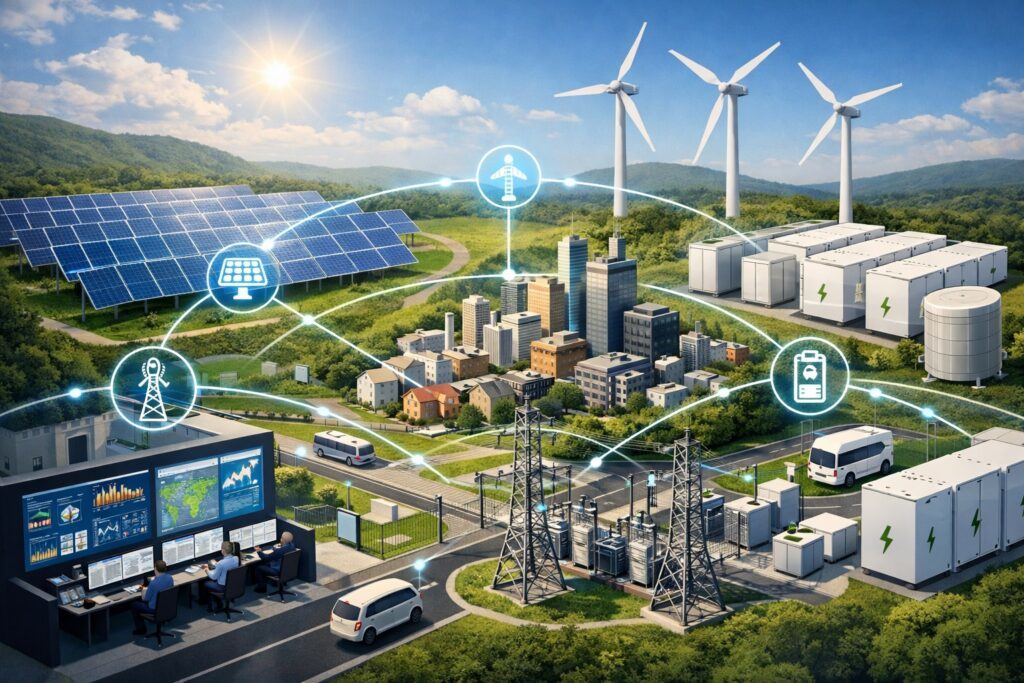
These signals collectively point to a deeper change: energy engineering is shifting from the "logic of power generation and transmission projects" to the "logic of computing-grid-equipment collaborative systems." Under this logic, the traditional model of going global centered on single power stations or lines is being replaced by an infrastructure network of cross-system coupling.
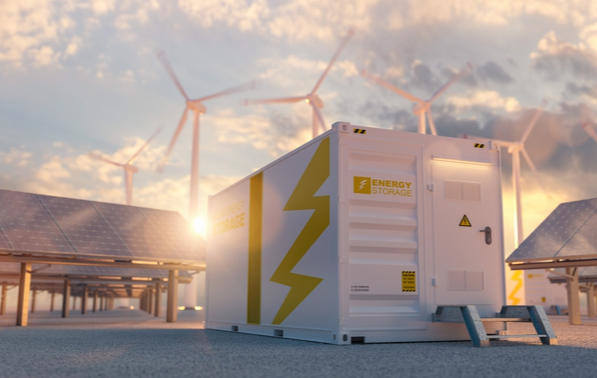
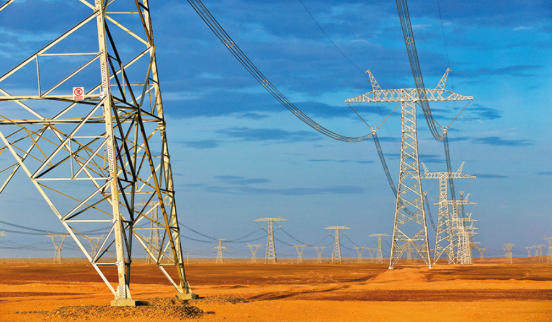
From the project perspective, changes in grid pressure and load structure are reshaping energy investment logic. The extreme load growth in the US power market not only drives grid expansion but also directly spurs the overall upgrade of energy storage, dispatch systems, and transmission engineering (Power System Load and Infrastructure Expansion Related Developments). At the same time, the development of new energy projects no longer relies solely on resource-side advantages, but more on grid connection capability, cross-regional dispatch capability, and policy coordination mechanisms.
At the equipment and technology level, the industry is entering a phase of "intelligent infrastructure replacing manual systems." The completion of testing for China Southern Power Grid's mobile computing shelter (China Southern Power Grid Mobile Computing Shelter Completes Testing in Guiyang), and the application of snake-like robots for power line inspection, indicate that the grid operation and maintenance system is being restructured by digitalization and robotic systems. This trend directly reduces the reliance of overseas power projects on traditional manual operation and maintenance, while raising the technical threshold for standardized equipment exports.
At the forefront of energy technology, hydrogen energy and new nuclear simulation technologies are accelerating into the engineering phase. The advancement of the UK's Hychor seawater hydrogen production technology pilot (UK's Hychor Develops Seawater Hydrogen Production Technology, Plans Pilot in 2027), and the development of micro modular reactor simulators (US Hadron Energy Collaborates to Develop Halo Microreactor High-Fidelity Simulator), reflect that next-generation energy systems are transitioning from "demonstration projects" to "engineering verification platforms."
For Chinese engineering and equipment manufacturing enterprises, this round of change means that the logic of going global is undergoing a triple shift: from single EPC output to system integration capability output; from equipment delivery to long-term operation, maintenance, and digital capability binding; from regional project competition to cross-energy-form collaborative competition. Against the backdrop of the parallel expansion of data centers, grid expansion, and new energy, enterprise competitiveness is no longer solely determined by cost, but by system adaptability.
In terms of trends, the globalization of energy engineering is entering the "era of high-load constraints." Grid carrying capacity becomes a prerequisite for all projects, computing infrastructure becomes the dominant new power demand, and intelligent operation and maintenance systems become core components of the project lifecycle. The core capability of future engineering enterprises will shift from "construction capability" to a comprehensive competition of "system coupling capability + cross-regional coordination capability + digital operation capability."
It can be judged that energy engineering is evolving from an infrastructure industry into the underlying carrying system of the global digital economy, and this transformation will redefine the paths and competitive rules for engineering going global in the next decade.
This article is compiled by Wedoany. All AI citations must indicate the source as "Wedoany". If there is any infringement or other issues, please notify us promptly, and we will modify or delete it accordingly. Email: news@wedoany.com