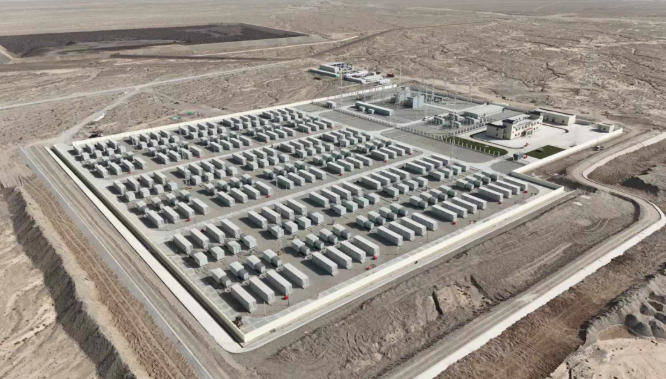
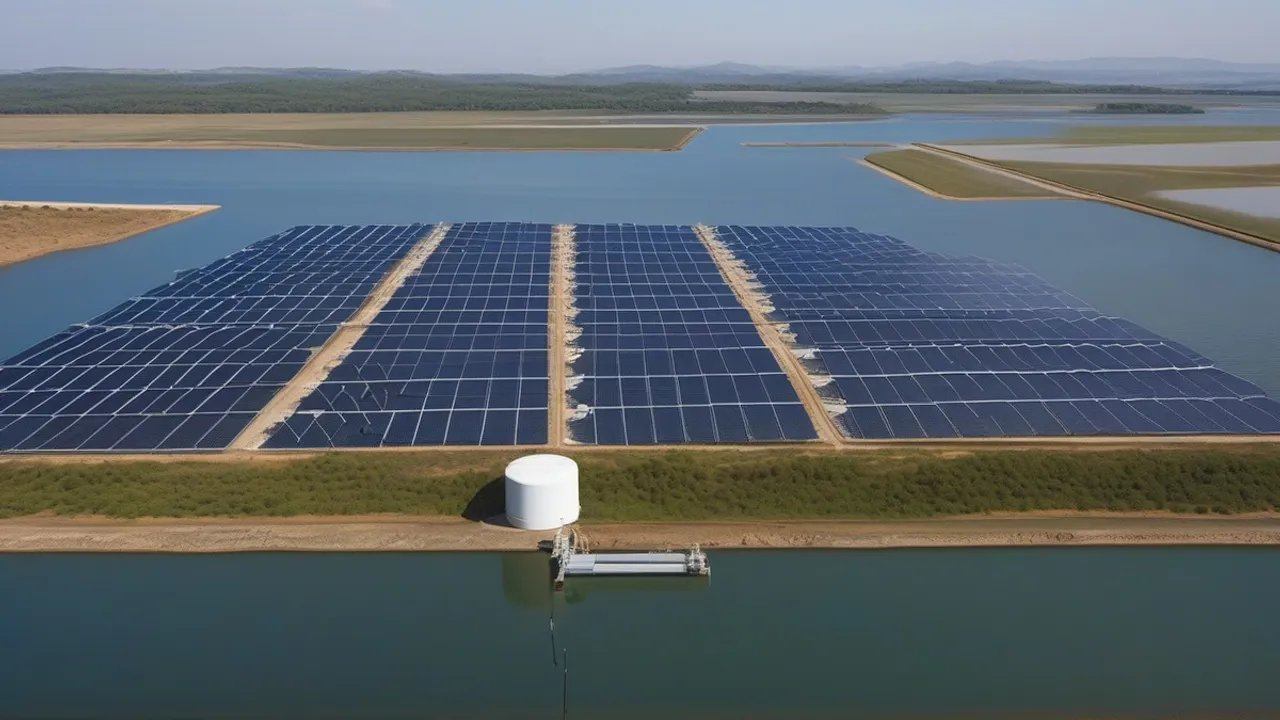
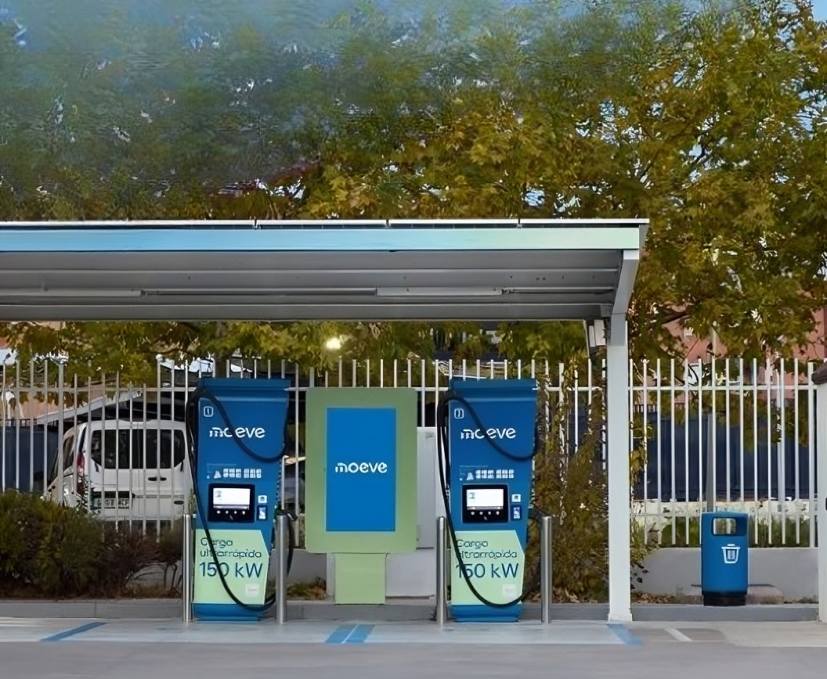
en.Wedoany.com Reported - Powersafe is accelerating its expansion in the Brazilian energy storage market by broadening its partnership with Huawei Digital Power (HDT). The company plans to incorporate approximately 35 MWh of new projects into its pipeline by 2026, building on the agreement already announced by both parties in March. The collaboration now encompasses more advanced technologies, digital platforms, and a broader local market development strategy. According to the company's estimates, this planned capacity is equivalent to the power supply for approximately 280,000 people or over 100,000 average Brazilian households. This move comes amid growing expectations for consolidation in Brazil's domestic battery market, driven by recent regulatory progress and the prospects for large-scale energy storage system procurement.
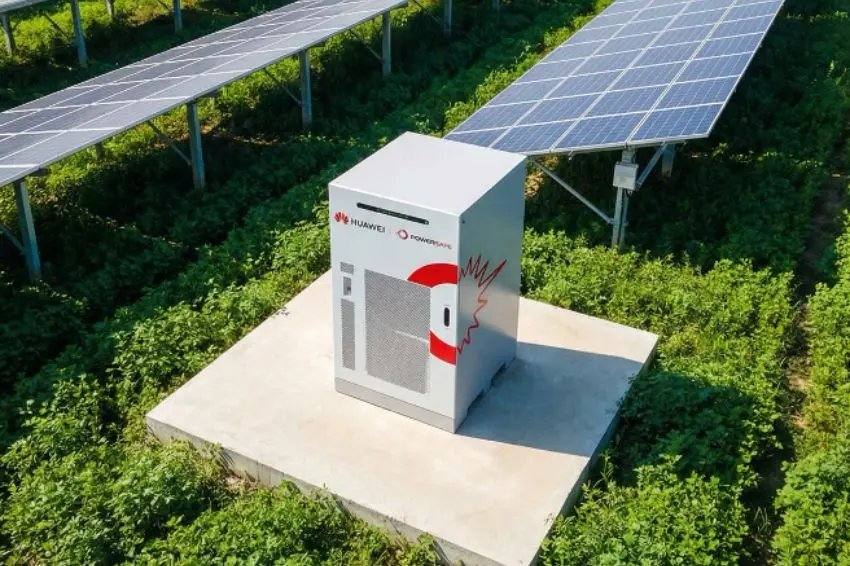
Compared to the initial agreement, the new phase of the partnership incorporates a more comprehensive strategy aimed at introducing battery energy storage systems (BESS) solutions to Brazil. In addition to importing Huawei's new-generation equipment, the collaboration includes digital monitoring platforms, intelligent energy management systems, and components for utility-scale, commercial, and industrial sectors. Huawei Digital Power (HDT) plays a strategic role in business architecture, technical knowledge dissemination, and expanding the Chinese manufacturer's technology adoption in Latin America. Powersafe claims it will be among the first companies in the Brazilian market to offer these solutions, with initial shipments already included in operational plans, expected to arrive in the country between the second half of June and early July.
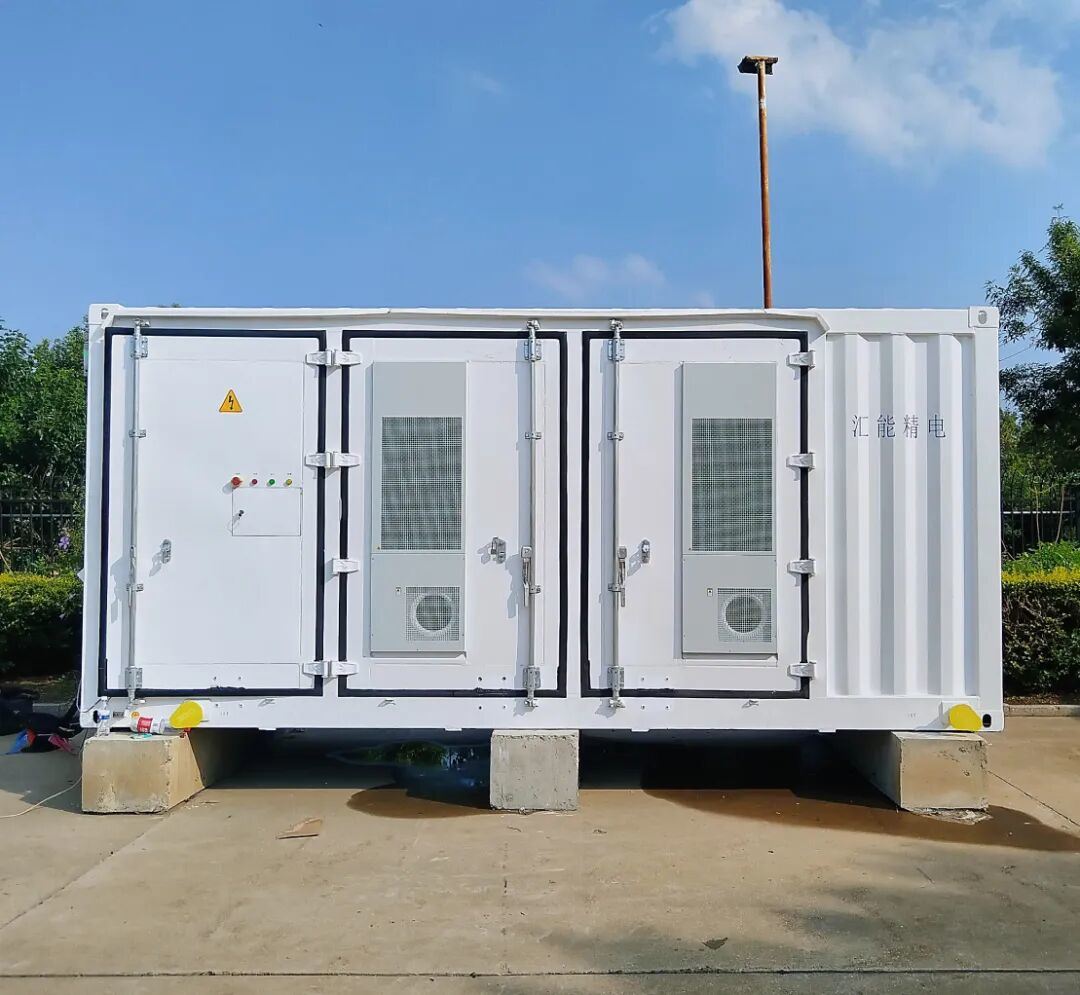
The main technologies incorporated into the product portfolio include Smart String and Grid Forming ESS systems, which the company considers among the key developments in the global energy storage industry. Additionally, equipment with a capacity of 241 kWh and equipped with an AI-based operational monitoring system will be introduced. These systems feature advancements in safety protocols, storage capacity, and asset management capabilities. Among them, Grid Forming technology provides virtual inertia, voltage support, and advanced frequency control, considered critical functions in the context of Brazil's growing share of variable renewable energy in its power mix. The Smart String architecture allows for individualized management of battery modules and packs, thereby improving performance predictability, operational efficiency, and system safety standards.
These solutions are expected to serve a variety of applications, including large-scale solar and hybrid power plants, grid reinforcement, substations, data centers, high-energy-consuming industries, isolated systems, microgrids, and critical infrastructure such as hospitals and telecommunications facilities. The equipment can also be used for demand response, energy arbitrage, and ancillary services projects. According to André Ribeiro, Renewable Energy Manager at Powersafe, these solutions are designed to meet the demand for energy stability, digitization of electrical infrastructure, and modernization of systems used by different consumer groups.
The partnership also includes technical training for the Brazilian market. A Masterclass event held by the two companies in May attracted integrators, EPC contractors, investors, utilities, developers, and large energy consumers, covering topics such as BESS application safety, AI applications in energy management, new energy storage architectures, ancillary services, and the impact of renewable energy expansion on grid stability. The strategy also plans to include on-site training, technical workshops, certification programs, regional roadshows, technology demonstration centers, university collaborations, and international immersion visits.
The expansion of the agreement comes amid an optimistic outlook for the Brazilian energy storage market. Based on the Ten-Year Energy Plan 2035, Powersafe cites estimates from the Energy Research Company (EPE) that Brazil could install approximately 10 GW of energy storage and demand response solutions in the coming years, driving over 200 billion reais in investment. In this context, the expansion of the partnership initially announced in March marks a shift from the expectation phase to actual implementation, with the aim of gaining a first-mover advantage.
This article is compiled by Wedoany. All AI citations must indicate the source as "Wedoany". If there is any infringement or other issues, please notify us promptly, and we will modify or delete it accordingly. Email: news@wedoany.com