en.Wedoany.com Reported - Energisa plans to screen 5 to 10 projects over the next 12 months to expand its electricity flexibility testing scope. The tests cover areas such as battery energy storage, demand response, smart tariffs, and distributed resource aggregation.
The innovation call launched by the company in January received 296 proposals, marking a new phase for its FlexLab project. FlexLab is a testing platform created by Energisa to validate technologies that can enhance grid operational efficiency and flexibility, addressing trends in distributed generation, electric vehicles, and economic electrification.
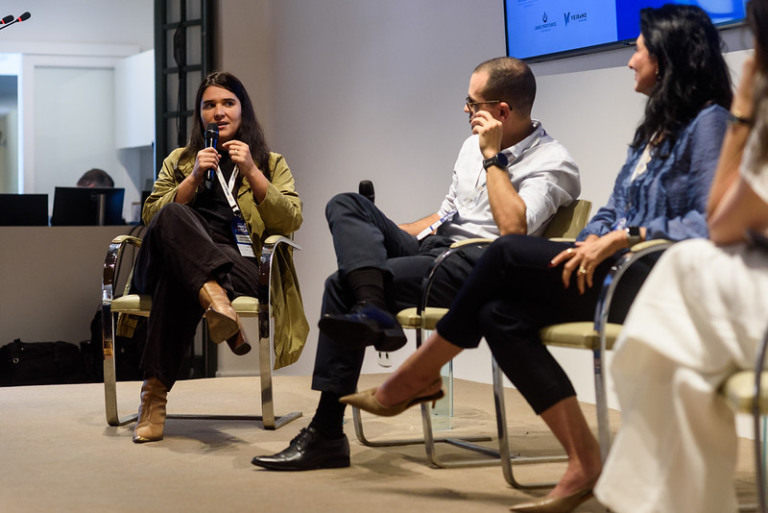
Letícia Dantas, Innovation Director at Energisa, stated that the final screening will be completed on June 24, with the official announcement of selected projects expected between July and August.
"The goal is to have these projects operational within 12 months—not necessarily fully completed, but we plan to launch the first batch this year and the second batch in the first half of next year," she revealed during a pre-event for the MinutoMega Talks hosted by MegaWhat in Rio de Janeiro.
Of the 296 proposals received, 70 entered the evaluation phase, and 20 were presented directly to executives and invited experts during the company's pitch day.
Selected projects will first be tested within Energisa's flexibility ecosystem, which aggregates assets in Palmas (Tocantins), Uberlândia (Minas Gerais), Mato Grosso, and Mato Grosso do Sul. Letícia noted that initial tests are concentrated in these areas, but projects are not limited to these locations.
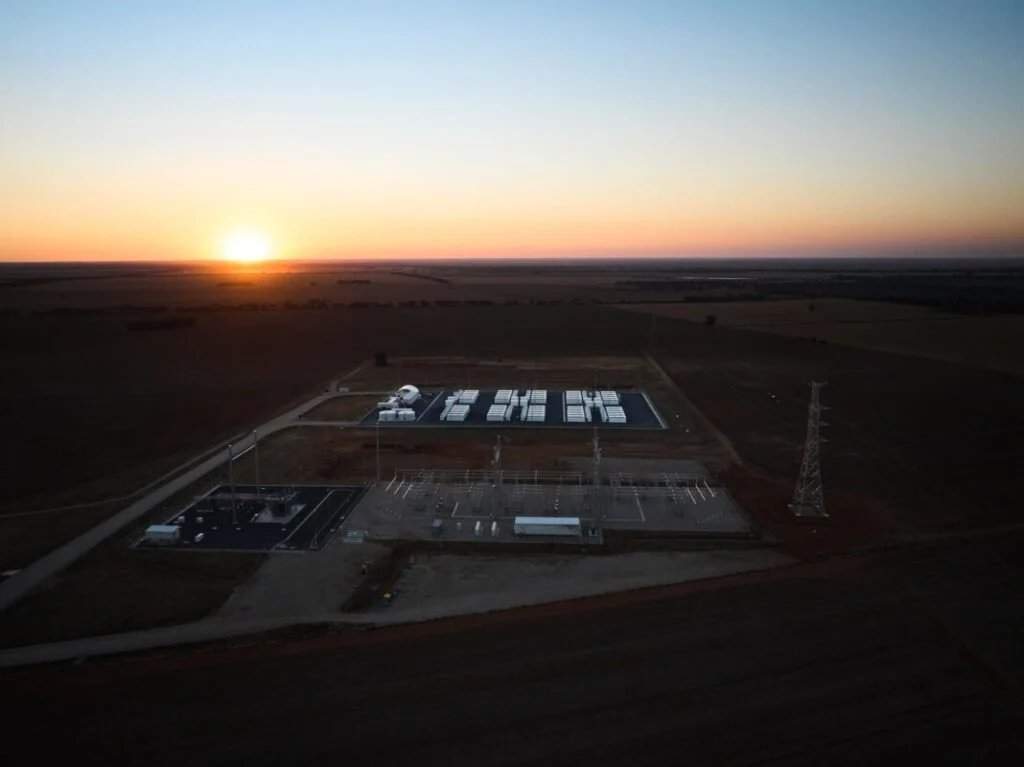
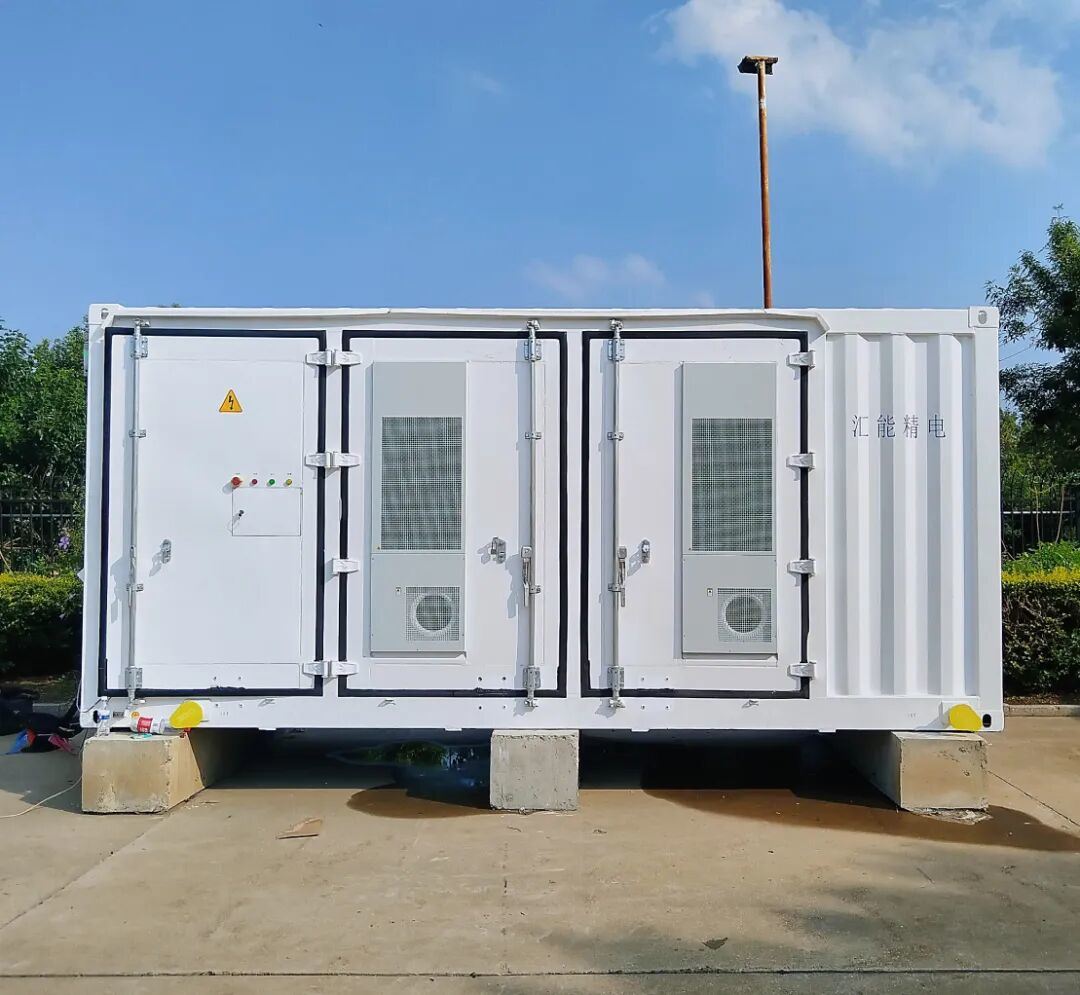
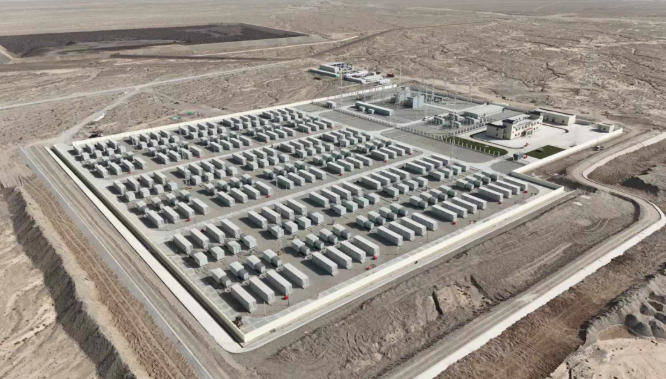
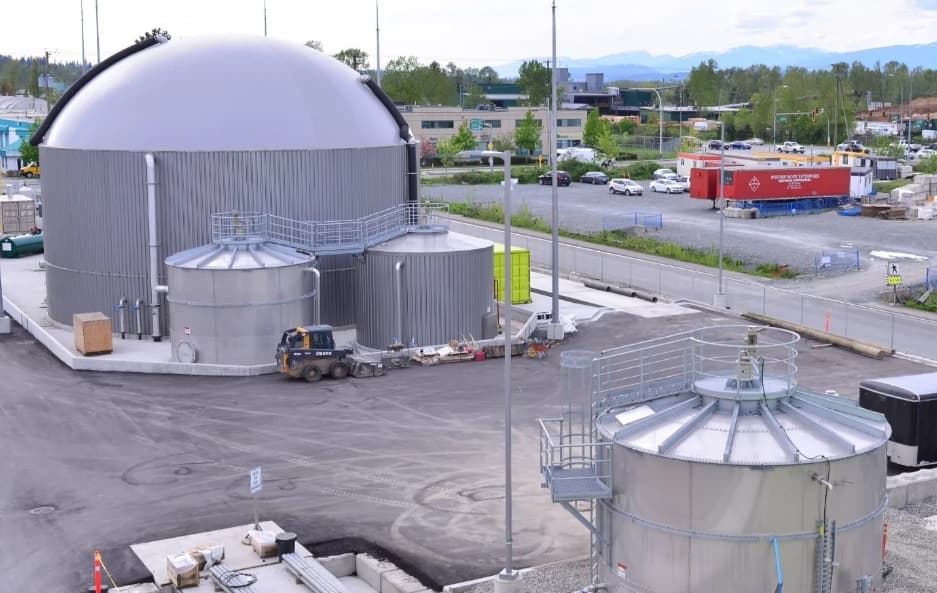
The company's flexibility platform currently operates seven assets, including energy storage systems installed behind the meters of commercial and industrial consumers, as well as charging stations and projects focused on distribution grid operations.
In Palmas, battery systems installed at a gym and a hotel have been used to test applications such as peak shaving, load shifting, consumption regulation, and enabling consumers to provide services when migrating to the free electricity market. Letícia stated that these projects deliver economic benefits to customers while allowing the distribution company to evaluate technology performance under real operating conditions.
One consumer has adopted the energy storage system as a primary backup energy solution, reducing reliance on diesel generators. Letícia commented, "He barely notices the battery; what he feels is that the service runs better and he no longer depends on diesel."
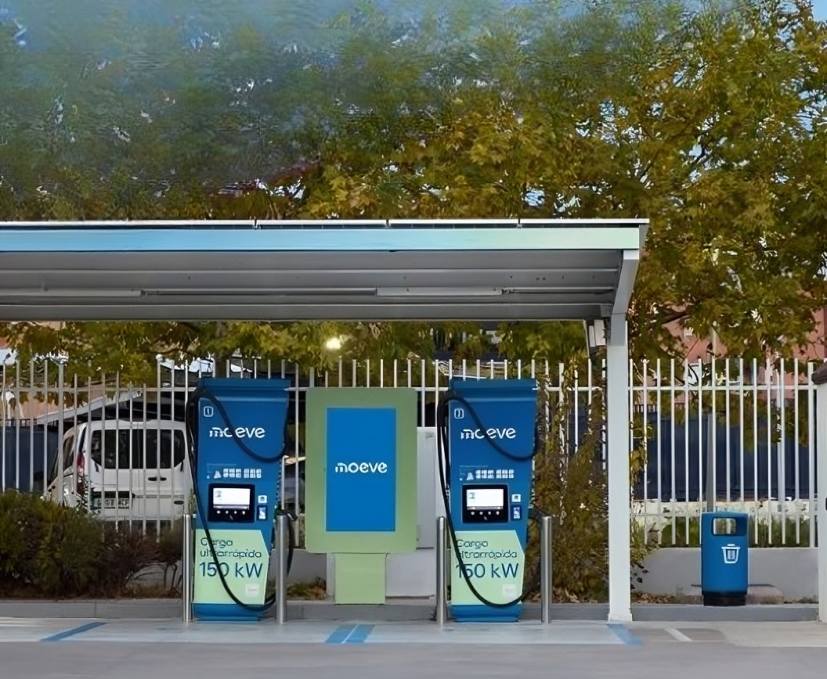
The company is also conducting smart charging management tests for electric vehicles in Uberlândia, aiming to optimize charging station usage, reduce idle time, improve tariff conditions for operators, and contribute to more efficient grid operations. Letícia views this as a flexibility mechanism that combines grid support, tariff improvement, and advantages.
The innovation call focused on five major areas: open energy, network aggregation, electric vehicles, energy storage, and demand response.
Among the proposals received was one from Stanford University, aiming to develop a geographic power planning tool for distribution companies. Letícia stated that the proposal seeks to incorporate a locational perspective into network planning, considering the specific characteristics of each concession area to adapt to load growth and distributed generation expansion in different regions. She cited Mato Grosso and Mato Grosso do Sul as examples, noting that these areas require approaches different from traditional methods. According to her, Energisa is working to shift from more deterministic models to probabilistic approaches that incorporate variables such as climate, extreme events, regional growth, distributed generation expansion, and electric vehicle adoption.
Another area of interest is the development of smart tariff platforms. One proposal received by Energisa, developed in the United States, uses artificial intelligence and machine learning models to simulate different tariff structures in real time. The company has prior experience with Brazil's National Electric Energy Agency (Aneel) tariff sandbox, and now aims to expand its tariff simulation and evaluation capabilities.
Additionally, the company received proposals related to distributed resource aggregation, sharing platforms, and adapting foreign technologies to the Brazilian market. The total investment amount has not yet been determined and will depend on the selected projects. Energisa hopes to transform FlexLab into a permanent platform for developing and validating flexibility solutions.
This article is compiled by Wedoany. All AI citations must indicate the source as "Wedoany". If there is any infringement or other issues, please notify us promptly, and we will modify or delete it accordingly. Email: news@wedoany.com