en.Wedoany.com Reported - A research team from the Massachusetts Institute of Technology (MIT) announced in early June 2026 the successful development of a novel hard-rock lithium extraction process. This technology uses liquid reagents to dissolve spodumene at room temperature, eliminating the need for traditional high-temperature roasting above 1000°C and strong acid leaching. It enables efficient utilization of all mineral components and establishes a closed-loop production system where solvents and reagents can be recycled, resulting in near-zero production waste. According to the team's estimates, the comprehensive production cost of this process is only half that of traditional hard-rock lithium extraction technology.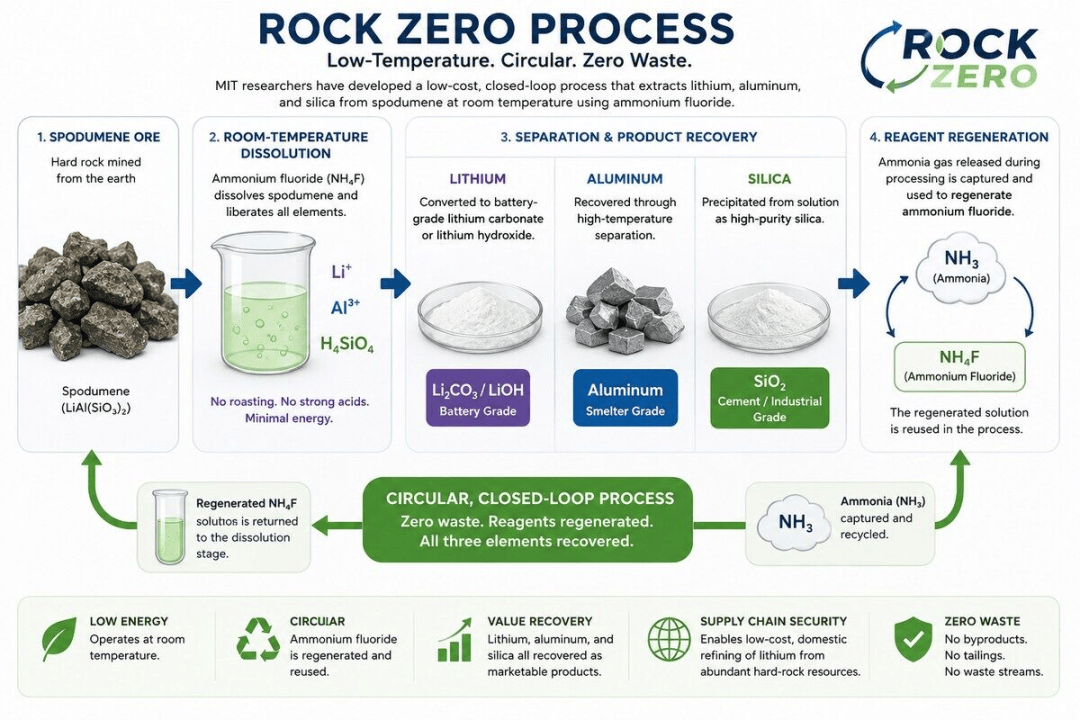
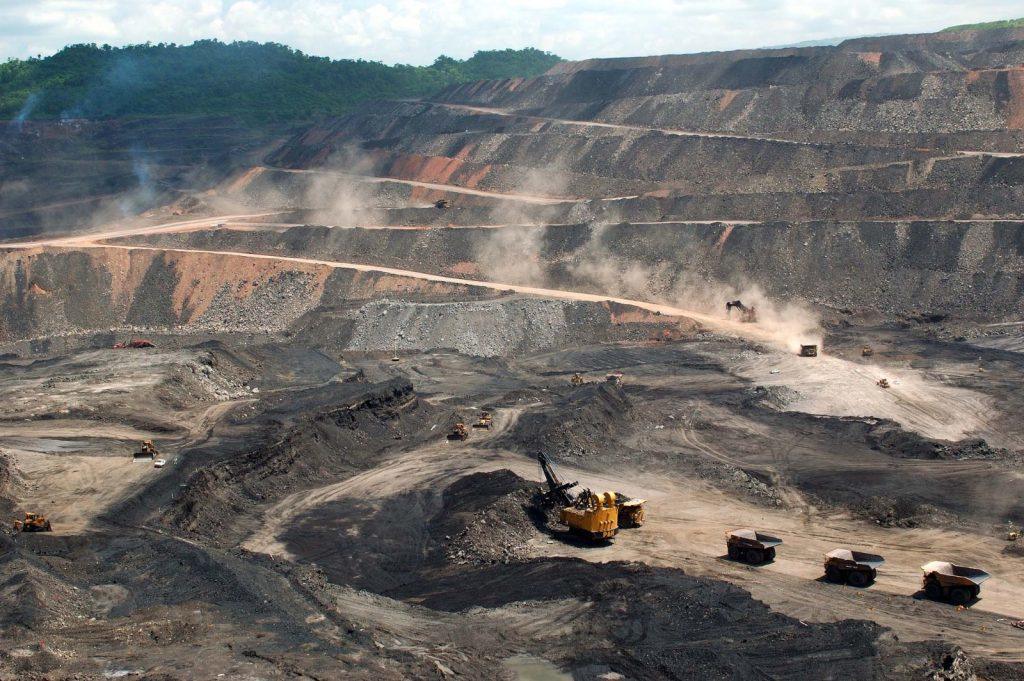
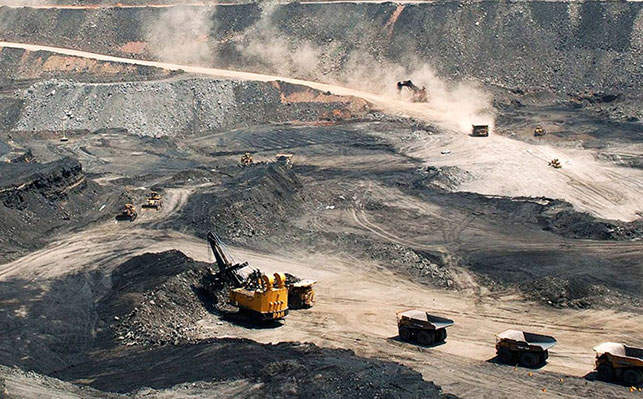
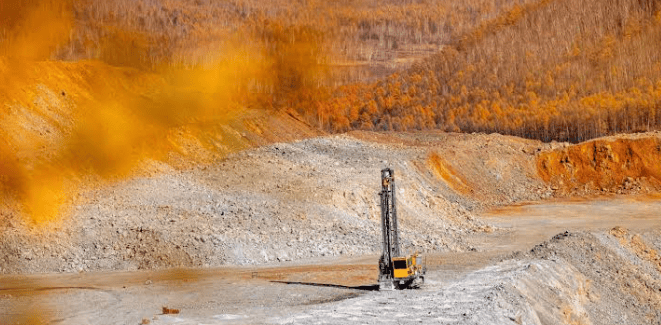
Against the backdrop of accelerating global energy transition, lithium, as a core raw material for power batteries and energy storage devices, continues to see surging market demand. Industry data indicates that by 2040, global lithium production needs to quadruple from current levels. Currently, mainstream lithium extraction methods fall into two categories: hard-rock extraction and brine extraction. Hard-rock lithium ore reserves are widely distributed, but traditional processes require roasting the ore in high-temperature kilns above 1000°C, followed by strong acid leaching, resulting in high energy consumption, high operational costs, and significant toxic solid waste and wastewater. Brine extraction, while cost-advantageous, is severely limited by geographical and climatic conditions, making rapid capacity expansion difficult.
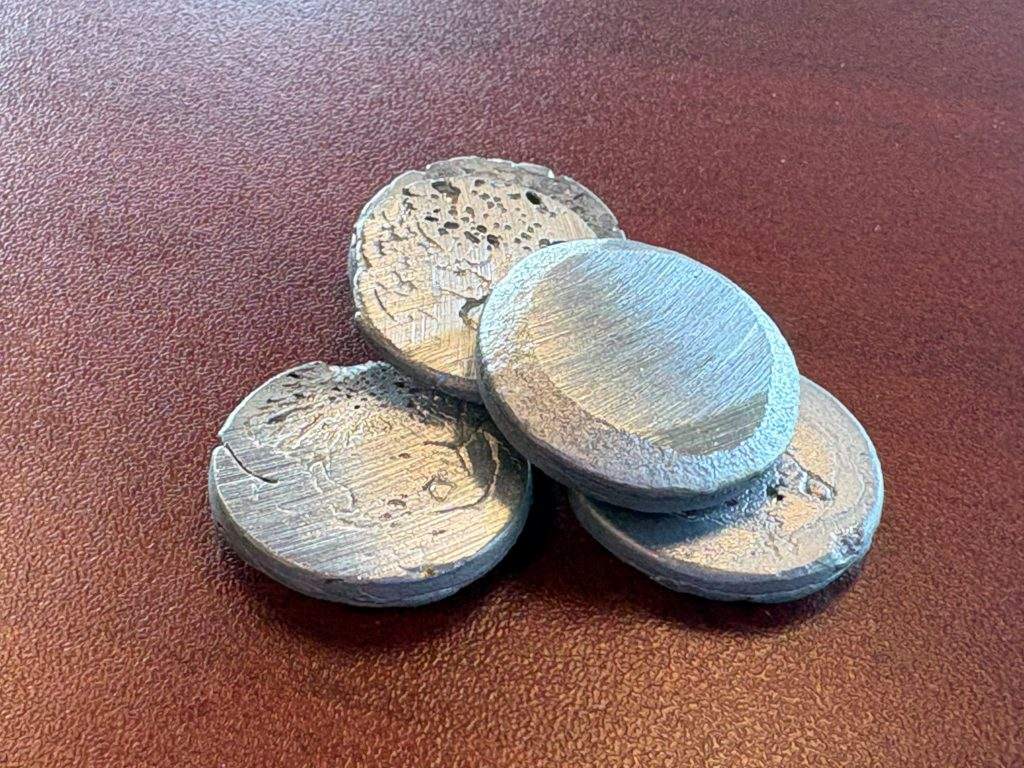
The MIT team took an innovative approach, developing a low-temperature closed-loop hard-rock lithium extraction technology. The core principle involves using liquid reagents to dissolve hard-rock minerals such as spodumene, completing mineral separation at room temperature. Unlike traditional processes that only extract lithium, this new technology breaks down the ore into three high-value products: battery-grade lithium salts directly usable in power battery manufacturing, metallurgical-grade alumina meeting the needs of the metallurgy industry, and cement-grade silica suitable for building materials, achieving full-component utilization of mineral resources. The research findings have been published in the international journal Science. MIT has established a startup, Rock Zero, based on this technology, officially initiating its commercial deployment.
The comprehensive production cost of this new process is only half that of traditional hard-rock lithium extraction, significantly improving economic viability and even enabling competition with mainstream brine extraction processes. For countries and regions with hard-rock lithium ore resources, this technology provides technical support for independently developing downstream lithium processing industries, helping to drive diversification of the global lithium supply chain. With relatively low technical barriers and simple supporting facility requirements, small and medium-sized mining enterprises can also adopt it, effectively activating scattered global lithium ore resources and alleviating supply pressure. The near-zero emission production model also offers a new approach for mining companies to address environmental challenges.
This technological breakthrough will shift global lithium industry competition from capacity-based competition to a comprehensive contest of technology, cost, and green standards. Lithium extraction technologies combining low cost, high utilization, and environmental friendliness are expected to become the industry mainstream.
This article is compiled by Wedoany. All AI citations must indicate the source as "Wedoany". If there is any infringement or other issues, please notify us promptly, and we will modify or delete it accordingly. Email: news@wedoany.com