en.Wedoany.com Reported - Cropler, an agricultural data platform company based in Warsaw, Poland, is building an integrated agricultural AI foundational data ecosystem that combines sensors, cameras, datasets, and machine learning models. The system aims to provide software developers, researchers, and agricultural input companies with standardized field data sources.
A core challenge in agricultural AI development is that training models requires vast amounts of real-world field data, which is costly and time-consuming to collect. Cropler believes that agriculture is undergoing a similar infrastructure divergence as cloud computing, with software developers increasingly relying on specialized data providers rather than building their own hardware systems and collection networks. Deploying sensors, collecting multi-season data, and maintaining hardware equipment can take years before AI applications become commercially viable.
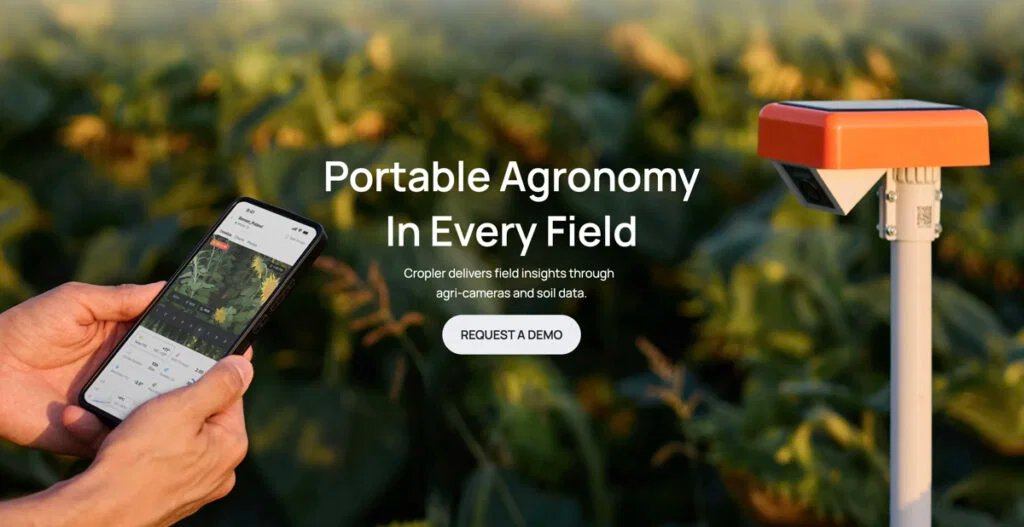
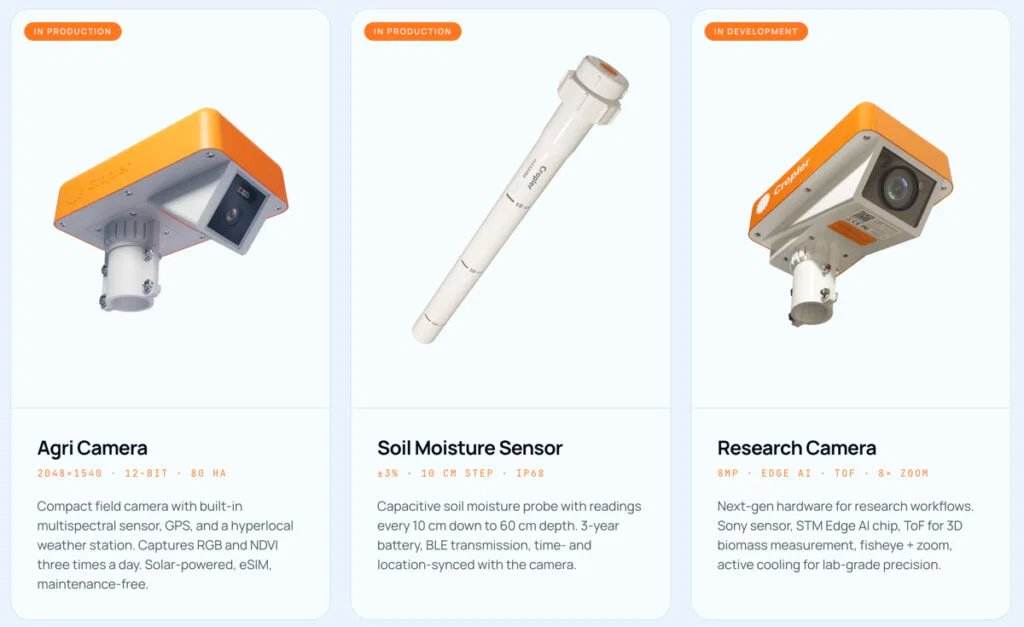
The core of the company's approach is to create a standardized data pipeline that directly connects physical field observations to AI systems. This infrastructure integrates multispectral imagery, soil remote sensing, and hyperlocal weather observation data, all structured for machine learning workflows. Cropler's hardware ecosystem currently includes three devices. The commercial Agri Camera captures RGB and NDVI images three times daily and records local weather conditions; a soil moisture sensor measures soil moisture content and temperature down to 60 cm depth; and a research-grade camera is under development, integrating 3D biomass measurement, edge AI capabilities, and advanced imaging systems. By synchronizing above-ground imagery with root zone conditions and environmental data, the company aims to provide a "top-to-bottom snapshot" of crop growth status.
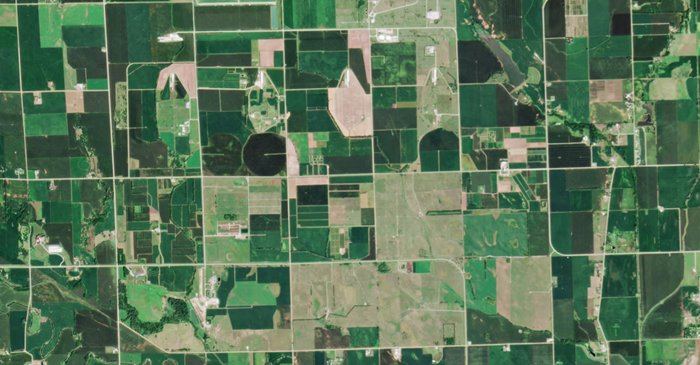
Currently, most agricultural datasets remain fragmented, often relying on occasional drone flights, satellite imagery, or weather stations located kilometers away from farms. Cropler's system records NDVI measurements multiple times daily throughout the growing season, enabling AI models to learn the rate of change in crop conditions. This temporal dimension of data may help detect drought stress, disease pressure, or nutrient deficiencies earlier. Meanwhile, soil measurements at every 10 cm depth down to 60 cm allow researchers and agronomists to monitor root zone conditions, potentially helping to estimate yields earlier or assess fertilizer and irrigation efficiency in real time. For fertilizer manufacturers and seed companies, this continuous monitoring offers a new way to validate product performance under real field conditions.
The company states that its machine learning backbone has been developed using field data covering 28 countries, spanning multiple climate zones and cropping systems. The platform provides pre-trained models for crop segmentation, stress detection, and multimodal feature extraction combining RGB imagery and NDVI information. The Application Programming Interface (API) converts imagery, weather, and soil measurements into structured inputs usable by large language models and autonomous agronomic agents. This direction reflects an industry trend where AI systems can generate agronomic recommendations based on multi-source field information, rather than relying on a single data source.
Cropler targets four main customer segments: research institutions, agricultural input manufacturers, AI developers, and agronomy professionals. Instead of requiring each customer to deploy their own sensor networks, the company offers infrastructure as a service, ranging from dataset licensing to customized field deployments. As global investment in agricultural AI accelerates, companies capable of generating reliable field datasets are becoming increasingly important in the industry's digital transformation. For developers trying to build agronomic agents or predictive models, the core value may not lie in collecting data themselves, but in accessing validated field intelligence at scale through standardized methods.
This article is compiled by Wedoany. All AI citations must indicate the source as "Wedoany". If there is any infringement or other issues, please notify us promptly, and we will modify or delete it accordingly. Email: news@wedoany.com