Dundee City Council Unveils Dighty Burn Regeneration Plan
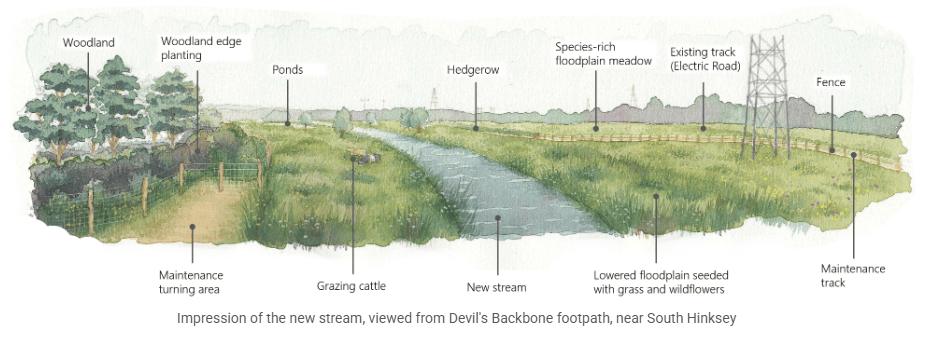
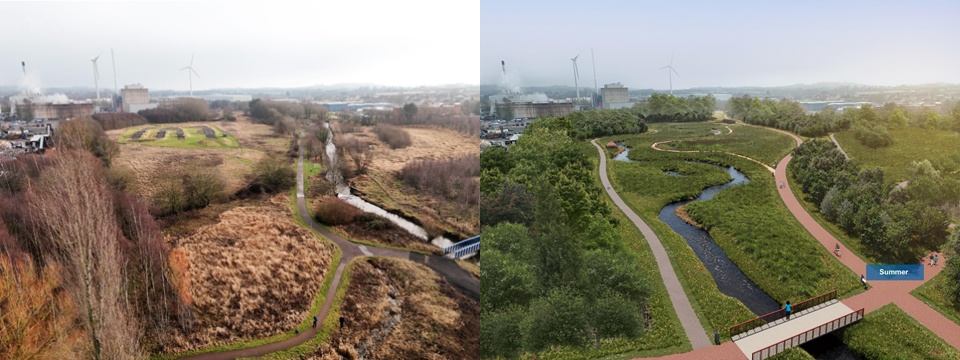
en.Wedoany.com Reported - Dundee City Council in Scotland, UK, announced a major transformation plan for the Dighty Burn in early June 2026. The project will implement ecological restoration, enhance flood resilience, and construct a blue-green corridor along the approximately 20-kilometer watercourse, initiating a multi-week public consultation to gather community feedback.
The Dighty Burn originates from the Sidlaw Hills, flows through several communities in Dundee, and joins the River Tay, playing a significant role in the city's industrial and environmental history. Historical artificial modifications to the natural watercourse have damaged habitats and weakened its capacity to cope with heavy rainfall and flood events. The regeneration plan is led by Dundee City Council as part of the Water Resilient Dundee (WRD) partnership, which includes the Scottish Environment Protection Agency (SEPA) and Scottish Water. Ecological consultancy LUC and infrastructure engineering firm AECOM are providing landscape design, visualization support, and interactive digital StoryMap services for the project.
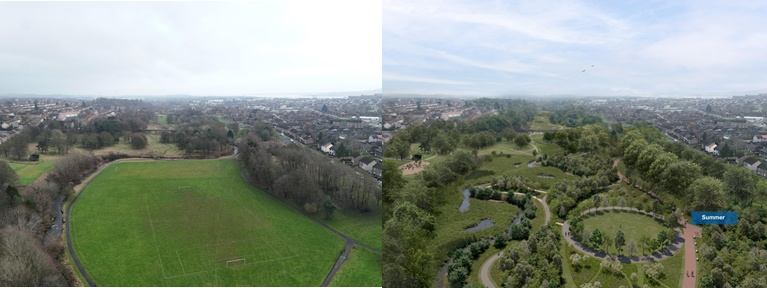
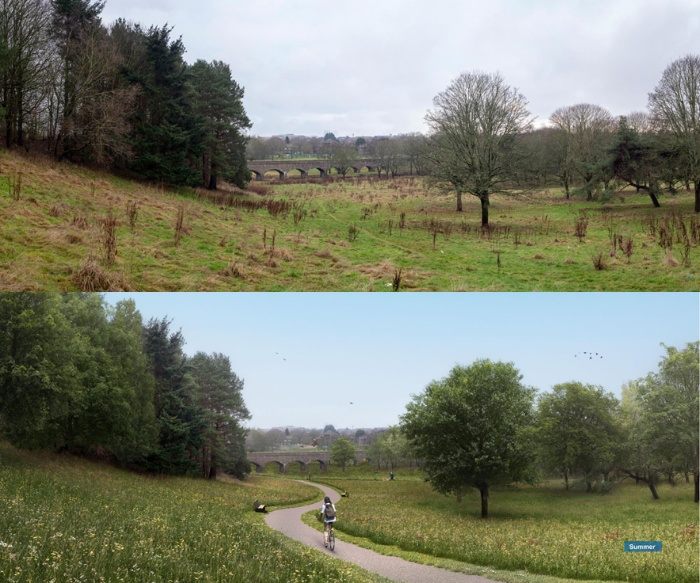
The core objective of the plan is the naturalization and restoration of the watercourse, including re-meandering previously straightened artificial channels, rebuilding wetlands, and replacing artificial embankments with natural banks. The entire project aims to restore ecological functions, enhance biodiversity, and establish a blue-green corridor connecting people and wildlife. After restoration, the watercourse will better collect, treat, and convey rainwater into the natural environment, reducing the volume of water entering the combined sewer system, thereby helping to alleviate urban flooding. At the community level, the project will also create new walking and cycling connections, expand green infrastructure, and improve public spaces. Rob Booth, CEO of LUC, stated that the project's catchment area is home to approximately 45,000 people and will help Dundee address challenges such as climate change, biodiversity loss, and urban flooding. This regeneration plan is a key component of the Water Resilient Dundee partnership's efforts to reduce the city's reliance on combined sewer systems (currently 88.5% of the city depends on such systems) and transition to blue-green infrastructure. Over the next year, the project will move from conceptual refinement to the technical development phase and initiate early preparatory work.
This article is compiled by Wedoany. All AI citations must indicate the source as "Wedoany". If there is any infringement or other issues, please notify us promptly, and we will modify or delete it accordingly. Email: news@wedoany.com
Related Products



Pure Polyurethane Wall Panel BD-AEF-PIR-01
Baodu International Engineering Technology Co., Ltd.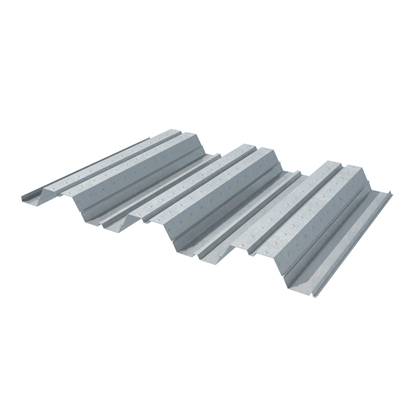


Aoxuan Intelligent Precision Air Conditioning Unit
SHANGHAI AOXUAN PURIFICATION TECHNOLOGY CO., LTD.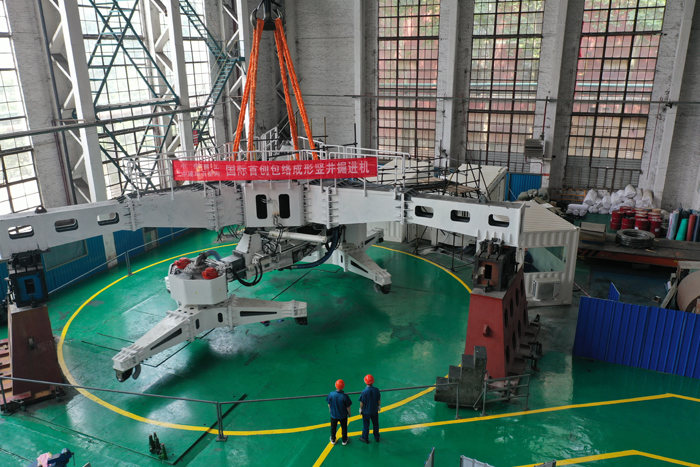
CITIC Heavy Industries Tunneling Equipment Tunnel Engineering Shield Machine
CITIC Heavy Industries Co., Ltd.