en.Wedoany.com Reported - Sotreq Brazil has announced the launch of the next-generation Water Delivery System (WDS 2.0), an innovative technology developed by Caterpillar, specifically designed for off-highway water trucks.
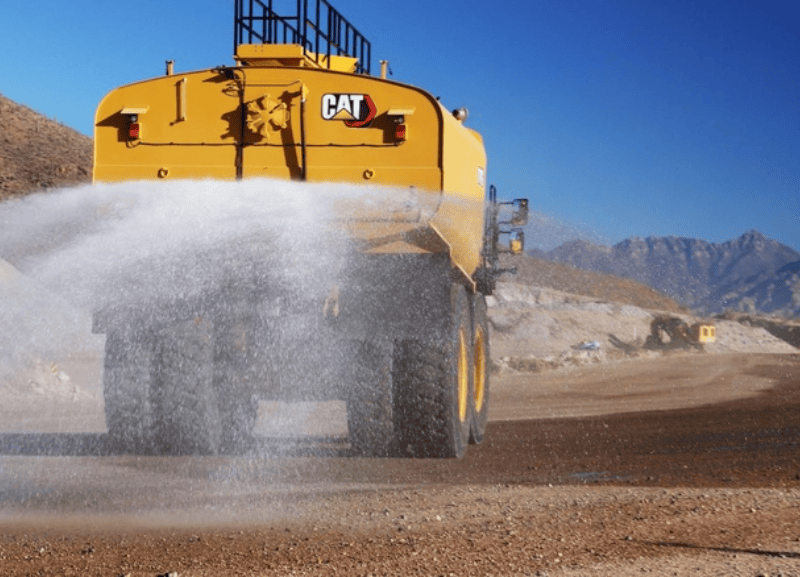
This technology aims to enhance dust control efficiency in mining areas, a need that directly impacts operational safety, sustainability, and relationships with surrounding communities. The WDS 2.0 platform integrates multiple operational components, including the chassis, water tank, electronic controller, and management software, into a single system.
The equipment is based on a platform designed for harsh environments, such as the Cat 777 model, with a water tank capacity of approximately 75,000 liters, capable of covering extensive mine infrastructure. Its core advantage lies in intelligent spray control, which reduces dust by spraying or distributing water on mine roads, ensuring more precise water application and avoiding waste.
Cleiton Arruda, Commercial Manager at Sotreq, stated that the spray pump is controlled by the truck's speed, allowing the system to automatically and efficiently increase or decrease water flow. In terms of technical performance, version 2.0 brings significant operational improvements: maximum flow rate increased by 25% to 8,517 liters per minute; maximum speed reaches 45 km/h. Additionally, installation is simpler with fewer components, yielding direct logistical benefits.
Arruda added that if a truck consumes less water during operations, it reduces the frequency of return trips for refilling, which helps improve productivity and minimize unnecessary movements within the mining area. Fleet operational intelligence is also enhanced through integration with the MineStar system (Caterpillar's mine fleet management platform). The dispatch center can monitor sprayed areas, water application volumes, and coverage history in real time via this platform, optimizing routes and avoiding redundancy in transport corridors.
Considering industry technology trends, the WDS 2.0 architecture has been developed to follow the mining sector's transition toward automation, allowing integration with autonomous operations. This enables the equipment to perform tasks and follow centrally defined routes without direct human intervention on board. Sotreq promises that the sale of this technology is accompanied by a structured support process called NPI (New Product Introduction), ensuring component inventory protection and professional technical readiness to address any repair needs.
Arruda concluded that the entry of WDS 2.0 into the Brazilian market demonstrates that auxiliary equipment plays a strategic role in the modernization of mining, driven by the evolution between operational intelligence and digital integration.
This article is compiled by Wedoany. All AI citations must indicate the source as "Wedoany". If there is any infringement or other issues, please notify us promptly, and we will modify or delete it accordingly. Email: news@wedoany.com