en.Wedoany.com Reported - Aluminum prices fell to their lowest level in more than two months, as a provisional agreement between the United States and Iran created conditions for resuming metal shipments through the Strait of Hormuz.
The price of the lightweight metal closed at $3,379.50 per metric ton on the London Metal Exchange (LME), down 4.4%, the lowest since March 27. The two sides reached an agreement, which is expected to be signed on Friday, when the strait will reopen. Details of the agreement are still being negotiated.
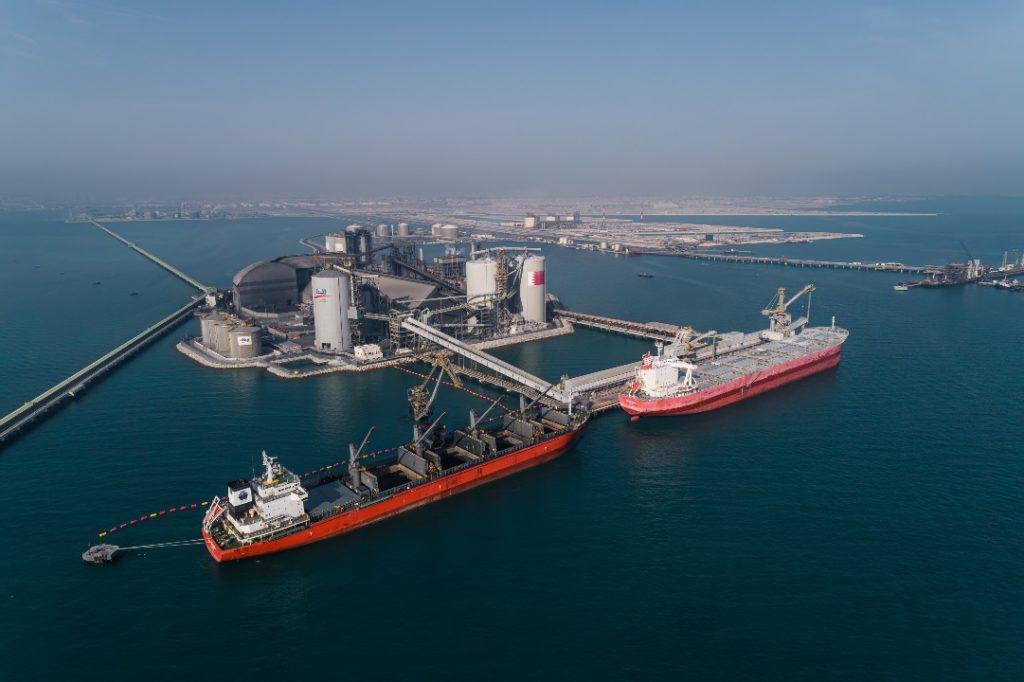
The Iran war severely disrupted supply, with aluminum smelters in the Middle East targeted by missile strikes, and the closure of this vital waterway cut off raw material imports and metal exports. Producers kept factories running through logistical workarounds, but the war left the industry facing severe supply shortages.
A team of analysts at Bank of America, including Michael Widmer, noted in a report that aluminum prices look fragile in the short term due to easing supply risks and persistent demand concerns. Analysts said that although production in the Middle East fell 35% year-on-year in April, with the region accounting for about 10% of global supply, this decline could be partially offset by output growth in China, the world's largest producer.
Analysts added that other downside risks for aluminum prices include the potential release of Middle East aluminum inventories if the Strait of Hormuz reopens, as well as increased supply from Indonesian smelters.
U.S. President Donald Trump said on social media on Sunday that he authorized the "free opening" of the Strait of Hormuz. According to a report by the Fars news agency citing an informed source, Iran only allows free passage through the waterway for 60 days.
Nevertheless, shipowners said more details are needed to assess the possibility of safe passage. Some analysts expect the aluminum industry to continue facing a tough battle to replenish depleted inventories as other supply headwinds persist.
Since the war began, China has ramped up exports, but producers now face production caps set by the government. Gregory Shearer, head of base and precious metals research at JPMorgan Chase & Co., said manufacturers have drawn down inventories from exchanges and private warehouses, and stock depletion may continue while Middle East supply remains constrained.
"If the strait does reopen, we could see a stress-driven decline in prices due to aluminum's high correlation with energy," Shearer said. "But we still believe the market faces a significant supply gap, and the key question is how long these hidden inventories can hold out before they are exhausted and visible stocks begin to decline."
All other metals on the London Metal Exchange closed higher, with copper rising 0.3% and tin surging 2.9%.
This article is compiled by Wedoany. All AI citations must indicate the source as "Wedoany". If there is any infringement or other issues, please notify us promptly, and we will modify or delete it accordingly. Email: news@wedoany.com