en.Wedoany.com Reported - Western Australia is deploying three solutions—microgrids, standalone power systems, and community batteries—at the edge of the grid to address unreliable and high-cost electricity issues faced by remote towns, Indigenous communities, and mining sites.
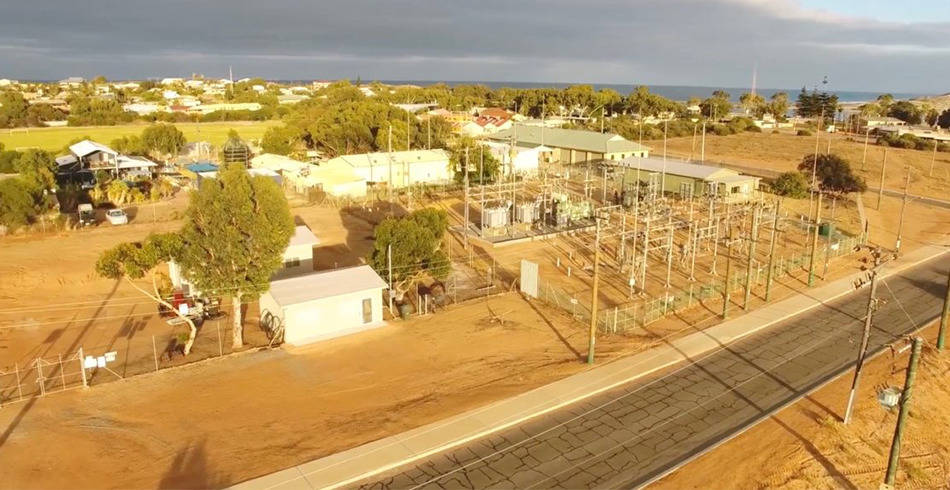
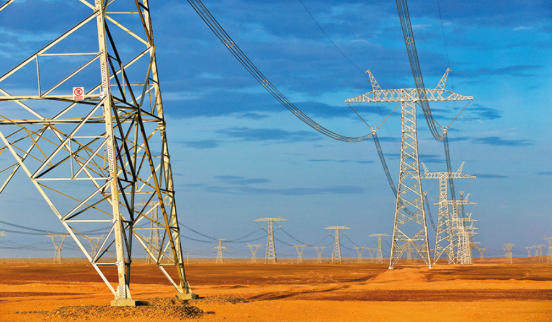
For remote areas of Australia, maintaining grid connections is costly. Transmitting electricity over thousands of kilometers from production sites can result in line losses of up to 35%. Additionally, many remote communities rely on diesel generators, and due to fuel needing long-distance truck transport, residents bear electricity costs far higher than those in urban areas. For example, the inland Queensland town of Thargomindah experienced 20 unplanned power outages in the three months to February 2024, more than once a week.
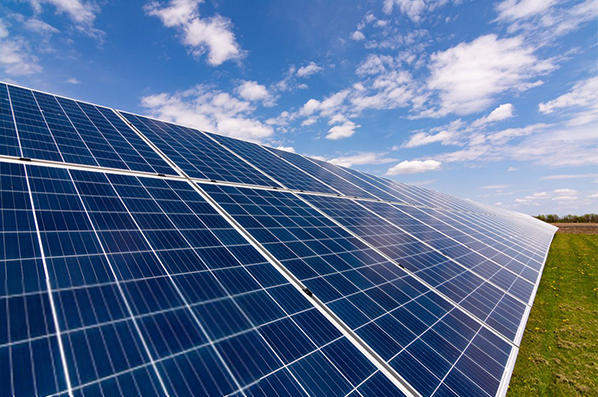
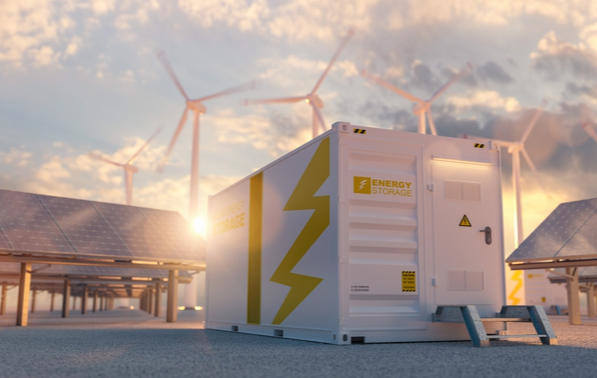
Currently, three main technologies offer pathways to grid independence: standalone power systems, renewable energy microgrids, and community batteries. Standalone power systems combine solar panels with batteries or backup generators, suitable for large isolated properties such as inland pastoral stations. Microgrids provide local grids for small towns with shared solar and battery storage, managed by smart control systems for power storage and distribution, with diesel generators as backup, and can be operated by communities, utilities, or third parties. Community batteries store excess daytime rooftop solar power and release it in the evening, relieving local grid pressure; some batteries allow eligible households to access stored electricity at about 30% cheaper than home battery systems.
Western Australia, not connected to the national grid, has long taken a different path in power development. In recent years, the state has decommissioned over 15,000 kilometers of overhead lines. Western Australia currently has two grids and 38 microgrids, and authorities plan to deploy 1,000 standalone power systems across the state by 2030. The town of Kalbarri serves as a showcase example, with a 5-megawatt microgrid built to replace a 130-kilometer unreliable power line from Geraldton. In towns such as Esperance, Exmouth, and Carnarvon, 10 community batteries are being installed, while the gold mining hub of Kalgoorlie is set to deploy a large 50-megawatt battery.
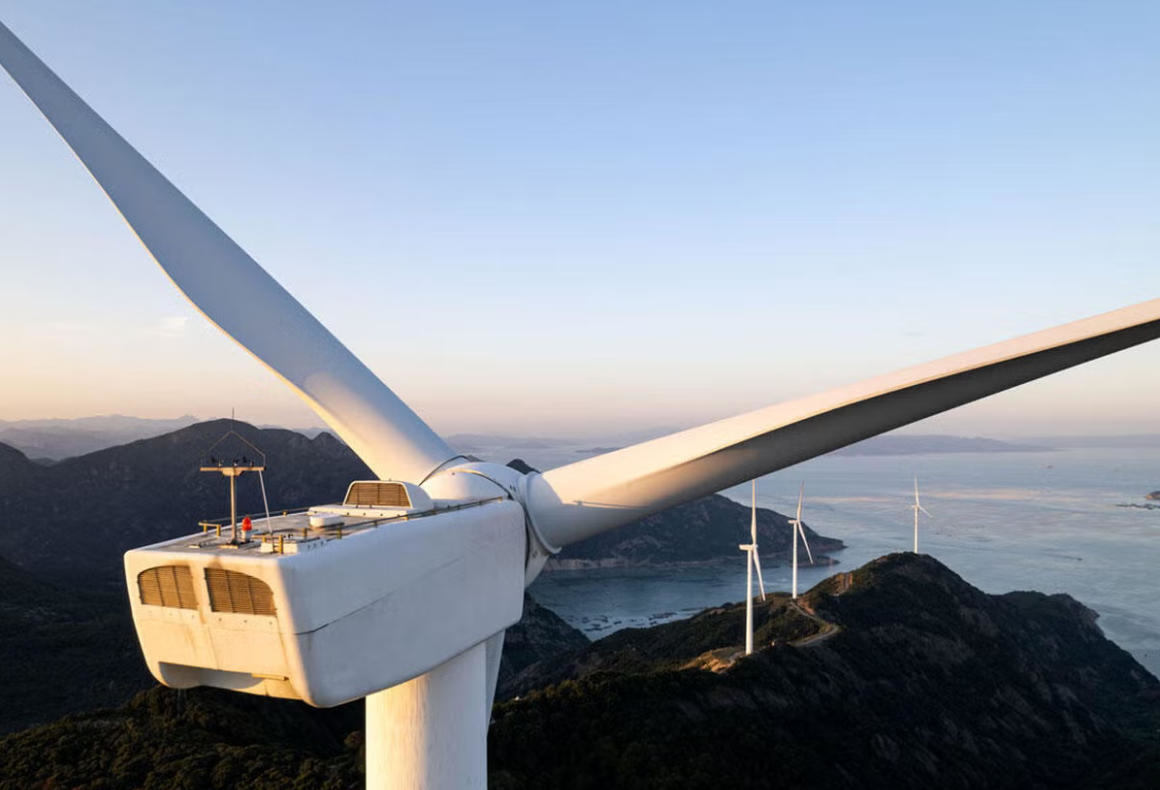
Mining companies are also adopting these solutions to reduce operational costs and emissions. The Agnew Gold Mine currently sources 50% to 60% of its electricity from wind, solar, and batteries, with a power supply reliability of 99.99%. The remote Indigenous community of Blackstone plans to build a microgrid combining solar, batteries, and diesel backup to ensure stable power for homes and healthcare.
Innovation at the grid edge is not only crucial for remote residents. Practical trials of these microgrids, batteries, smart software, and standalone power systems will help manage larger energy grids and maximize the use of renewable energy and storage.
This article is compiled by Wedoany. All AI citations must indicate the source as "Wedoany". If there is any infringement or other issues, please notify us promptly, and we will modify or delete it accordingly. Email: news@wedoany.com