Scania Launches Modular Protected Cab at Eurosatory 2026 in France
en.Wedoany.com Reported - Scania has launched a modular protected cab at Eurosatory 2026 in Paris, designed for resilient and mission-critical defense logistics. Built on the Scania modular system, it integrates crew protection, mobility, and operational availability. This cab enables defense customers to specify protected vehicles without switching to an independent platform, marking an enhancement in the performance of the Scania modular system and reflecting the company's ongoing development of robust, reliable, and adaptable transport solutions for modern defense and total defense needs.
In defense operations, transport capability is a prerequisite for military effectiveness and societal resilience. Vehicles must operate in demanding environments, support critical logistics, and maintain availability over a long service life. The protected cab is suited for operational scenarios where crew members need to perform tasks safely and effectively, while the vehicle continues to support missions in complex terrain, adverse weather, and round-the-clock use. The cab environment is designed to support driver alertness, mobility, and control in complex combat situations. The solution enhances crew survivability through ballistic and blast protection features, while preserving visibility, ergonomics, and the familiar Scania driver environment, and supports the integration of mission-specific systems, equipment, and bodies.
The protection level can be configured according to operational requirements and mission profiles, fully compliant with STANAG 4569 Level 1–3 standards. A key feature of the concept is the modular approach to protection and vehicle configuration, allowing customers to configure vehicles based on mission requirements and operational phases, supporting both training and readiness within the same vehicle architecture. The protected cab is available in 4x4, 6x6, and 8x8 configurations and is designed to meet strategic mobility requirements, including UIC GA railway tunnel profiles. This provides customers with long-term flexibility and helps efficiently utilize protection resources. By maintaining commonality across fleets, driver environments, and maintenance systems, customers can adapt vehicles for different missions without losing core Scania characteristics such as robustness, driver focus, and operational efficiency.
Sara Forsberg, Scania's Chief Technology Officer and Head of Research and Development, stated that the new modular protected cab is not a standalone platform outside the Scania system, but is developed according to the principles that define Scania's modularity, uptime, and operational efficiency approach, providing customers with a scalable and adaptable solution with strong long-term support. Trucks equipped with the protected cab are manufactured within Scania's standard modular and production systems, with the cab produced in Sweden and integrated into Scania's regular production flow. Final vehicle assembly takes place alongside other defense truck variants at Scania's production facilities. By building on the same modular architecture and industrial processes as the rest of the Scania product portfolio, customers benefit from familiar driver ergonomics, common interfaces, shared spare parts, and established service and support structures throughout the vehicle lifecycle. This enhances operational availability and helps customers manage lifecycle costs, whether the vehicle is operating domestically, in deployed environments, or within long-term fleet programs.
Scania has supplied vehicles and solutions to the defense sector for over a century and currently provides defense trucks, engines, and related solutions to multiple NATO countries and allies. With the modular protected cab, Scania further strengthens its role as a long-term partner for customers requiring reliable performance in demanding missions and continuous delivery of transport solutions. Eurosatory provides an international platform, and Scania showcased this modular protected cab in model form during Eurosatory 2026 in Paris.
This article is compiled by Wedoany. All AI citations must indicate the source as "Wedoany". If there is any infringement or other issues, please notify us promptly, and we will modify or delete it accordingly. Email: news@wedoany.com
Related Products
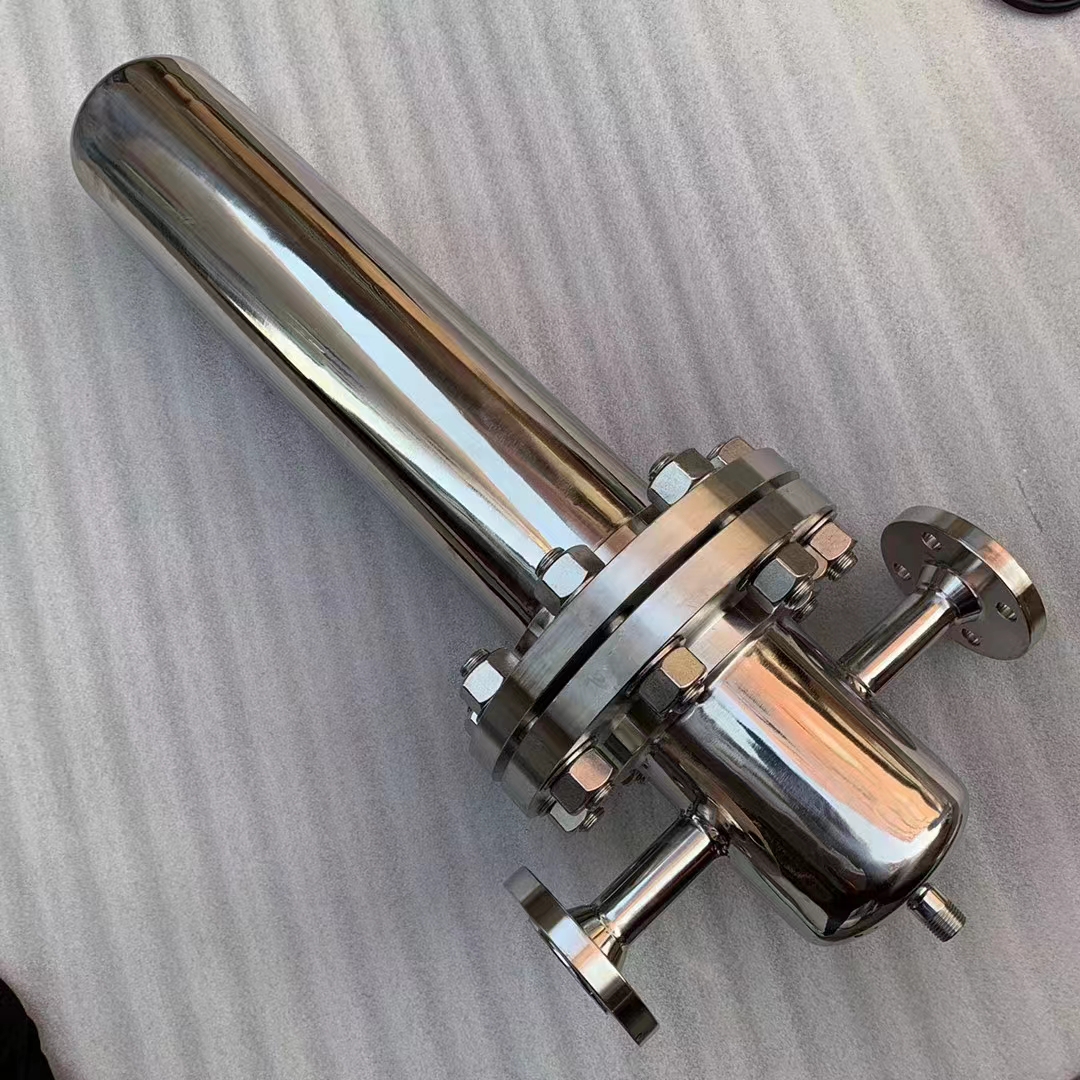


Industrial and Commercial Point-Type Gas Detector
Jinan Benan Technology Development Co., Ltd.
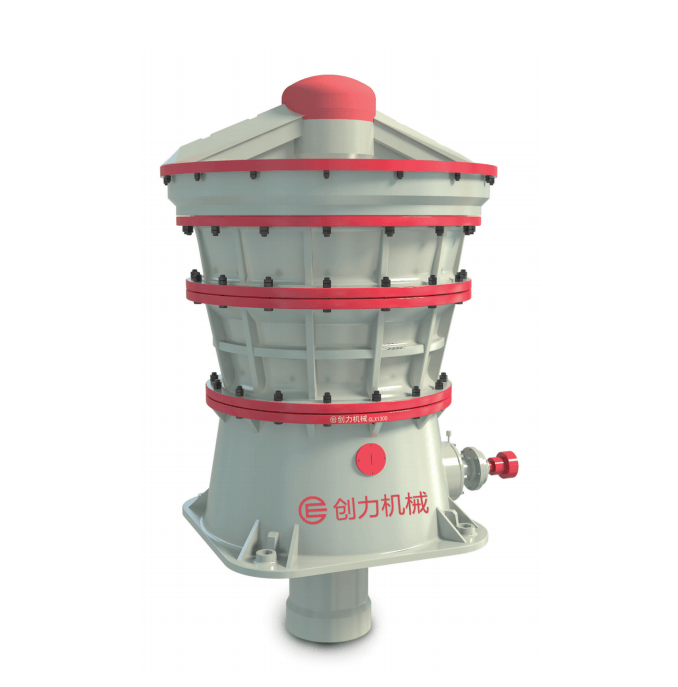
CLX Series Intelligent Hydraulic Gyratory Crusher
Guangdong CHUANGLI intelligent machinery Equipment Co., LTD
Strip Coating and Plating Production Line Equipment
MCC-SFRE HEAVY INDUSTRY EQUIPMENT CO., LTD.
Tactical Individual Carrying Handcart Platform
Automation Research Institute Co., Ltd. of China South Industries Group Corporation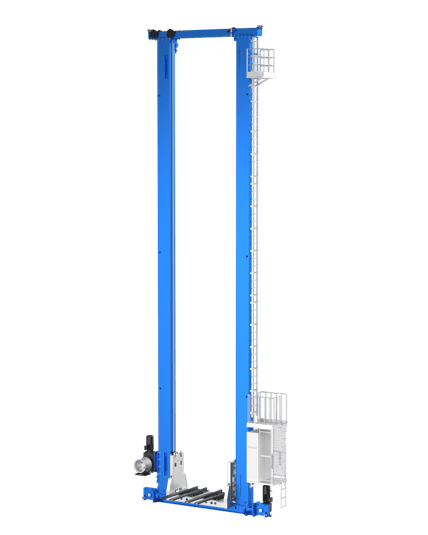
Pallet Solutions Product Line: HD3000 Double-Column Stacker Crane
Zhongding Intelligent (Wuxi) Technology Co., Ltd.