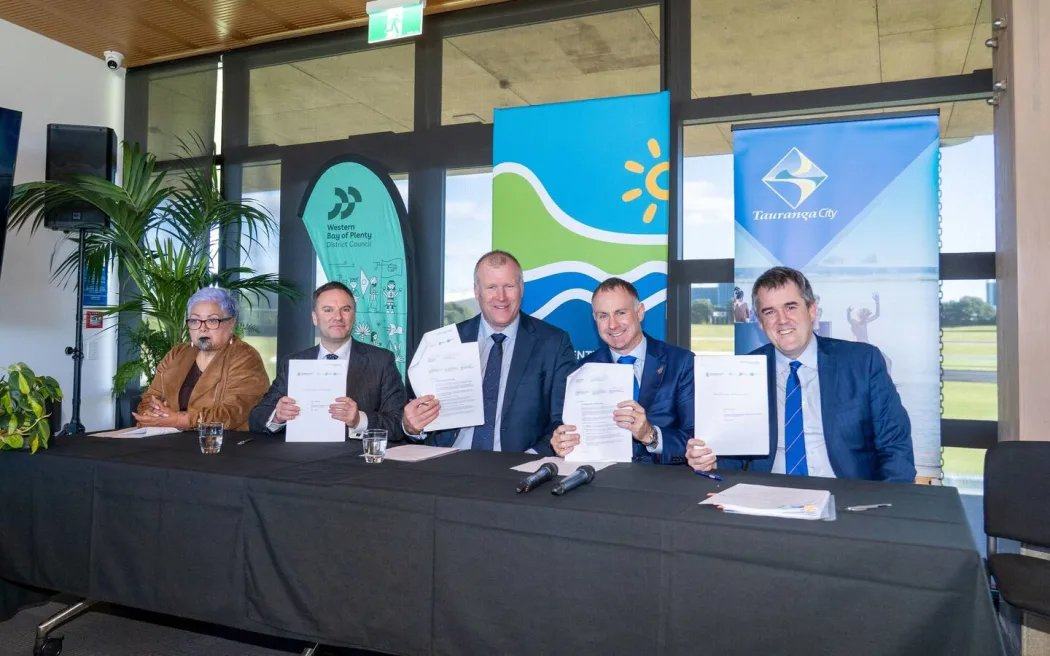
en.Wedoany.com Reported - The Western Bay of Plenty regional agreement has been signed, paving the way for a transport project that has been in the works for over a century. The agreement, jointly signed by local and central governments, is a 10-year partnership with a 30-year vision, prioritizing transport infrastructure, land and housing development, social infrastructure, export growth, and economic diversification. The agreement aims to deliver approximately 12,000 greenfield homes, 3,000 infill homes, 350 hectares of industrial land, and at least 15,000 new jobs.
The Katikati bypass project is one of the key commitments in the agreement. Western Bay of Plenty Mayor James Denyer stated that the project, first proposed in 1923, aims to reroute State Highway 2 away from the Katikati town center. Since then, it has intermittently appeared on the agendas of successive governments. Five years ago, the council considered building it themselves but deemed it "too heavy a burden for us." Denyer noted that the bypass has been under investigation since the 1960s, and "it has always been difficult to get it off the ground." The regional agreement provides a funding pathway, but the timeline has yet to be determined. He estimates the construction period could be between 2030 and 2035. Details will be confirmed in the implementation plan expected to be released in September. He said the road alignment has been established, some land is already owned, and a high-level design is ready, adding that "with the government's help, it can become a reality."
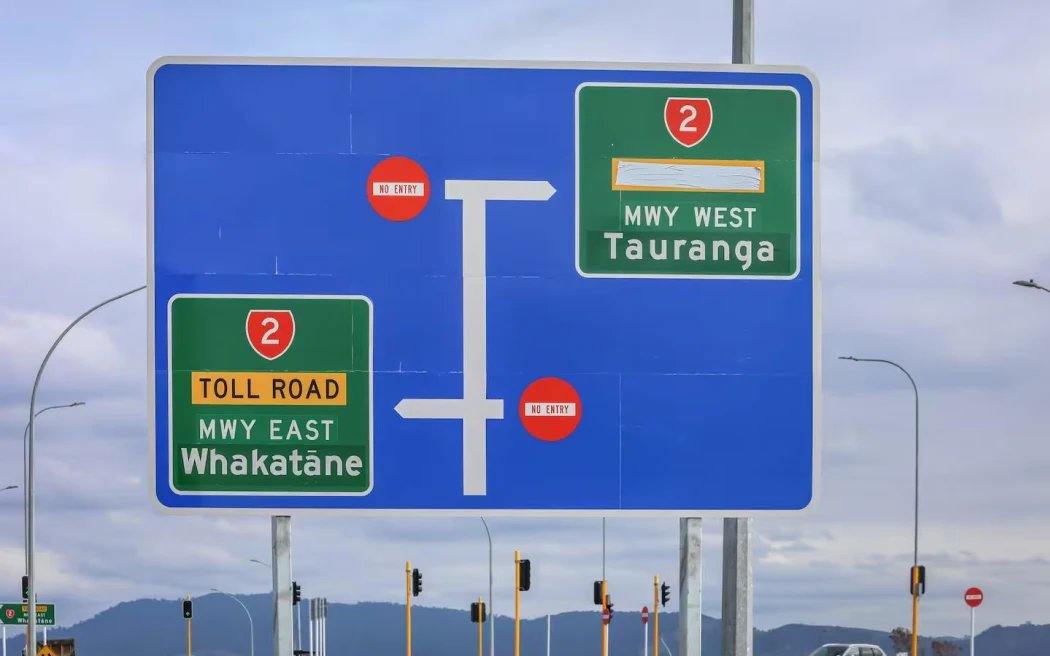
The agreement also mentions exploring the addition of toll roads in the region. The area already has two of New Zealand's three toll roads, with more to come. Tauranga Mayor Mahé Drysdale stated that the government has made it clear that all new roads will be tolled, and the law requires free alternative routes to be provided. "I have no issue if tolls bring investment and accelerate construction; but it's unfair that 67% of the country's toll roads are here." He fears toll roads will force more commuters onto local roads maintained by the council, increasing the burden on taxpayers. Denyer, however, said higher usage of toll roads would alleviate congestion on local roads, and once built, the state highway would offer more reliable travel times. Denyer added that his commute from Katikati to Tauranga sometimes takes 80 minutes and sometimes 50 minutes, "you never know, so you end up having to allow a lot of time, wasting a lot of time."

Regarding funding and costs, Drysdale said that while the agreement introduces new financing tools, it does not eliminate the need for residents to ultimately pay for local infrastructure. "At the end of the day, you have to pay—either through rates or user charges." He noted that the government's proposed rates cap could also limit the council's ability to invest in catching up with growth. In terms of visible progress, Drysdale said that ground-level progress on some projects may not be seen for three to four years, and many projects will be completed closer to the 30-year vision of the agreement, rather than the initial 10 years. The agreement commits to delivering approximately 15,000 homes within a decade, with at least 2,500 in Tauriko West, and up to 10,000 in eastern growth areas such as Te Tumu, The Sands, Wairākei, and Bell Road. He believes the agreement will help prevent growth from outpacing infrastructure and help address funding challenges.

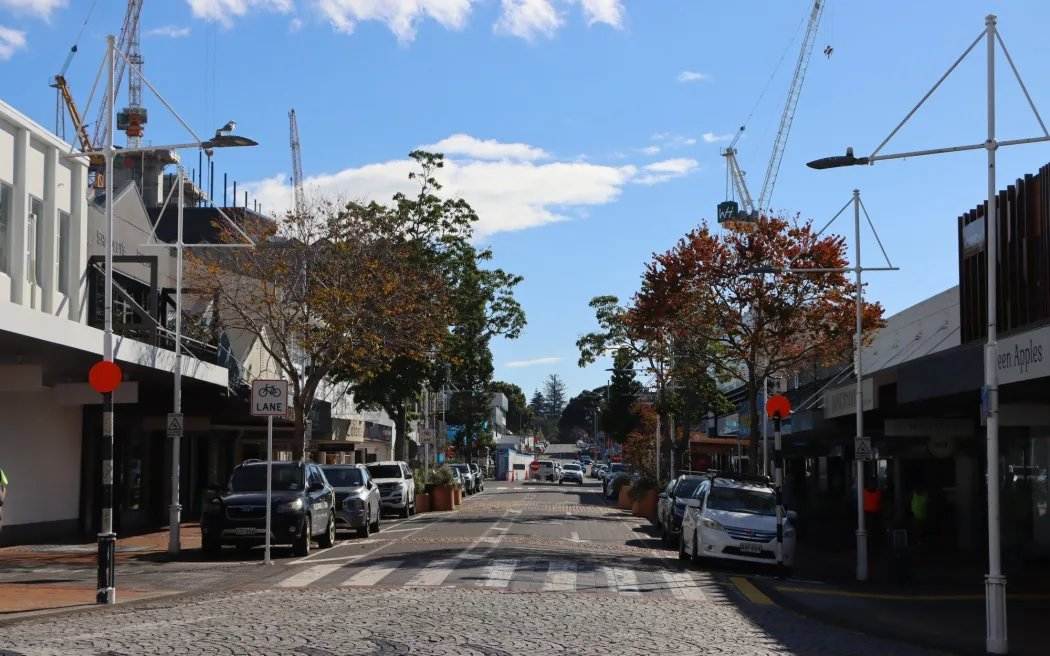
Drysdale stated that the council needs to encourage more people to live and work in Tauranga's city center, transforming it from an 8-hour zone into a vibrant 24-hour city. He said living in the city center reduces reliance on cars and helps alleviate congestion. He cited planned student accommodation at the University of Waikato's Tauranga campus and new apartment developments as examples of progress.
This article is compiled by Wedoany. All AI citations must indicate the source as "Wedoany". If there is any infringement or other issues, please notify us promptly, and we will modify or delete it accordingly. Email: news@wedoany.com