en.Wedoany.com Reported - Researchers at the Universidad de La Serena have developed a particleboard for building insulation using Chilean papaya seeds, aiming to transform agro-industrial waste into sustainable construction alternatives. The study was conducted by alumnus Franklin Ogalde in collaboration with Dr. Amin Nazer Varela from the university's Department of Construction Engineering (Departamento de Ingeniería en Construcción).
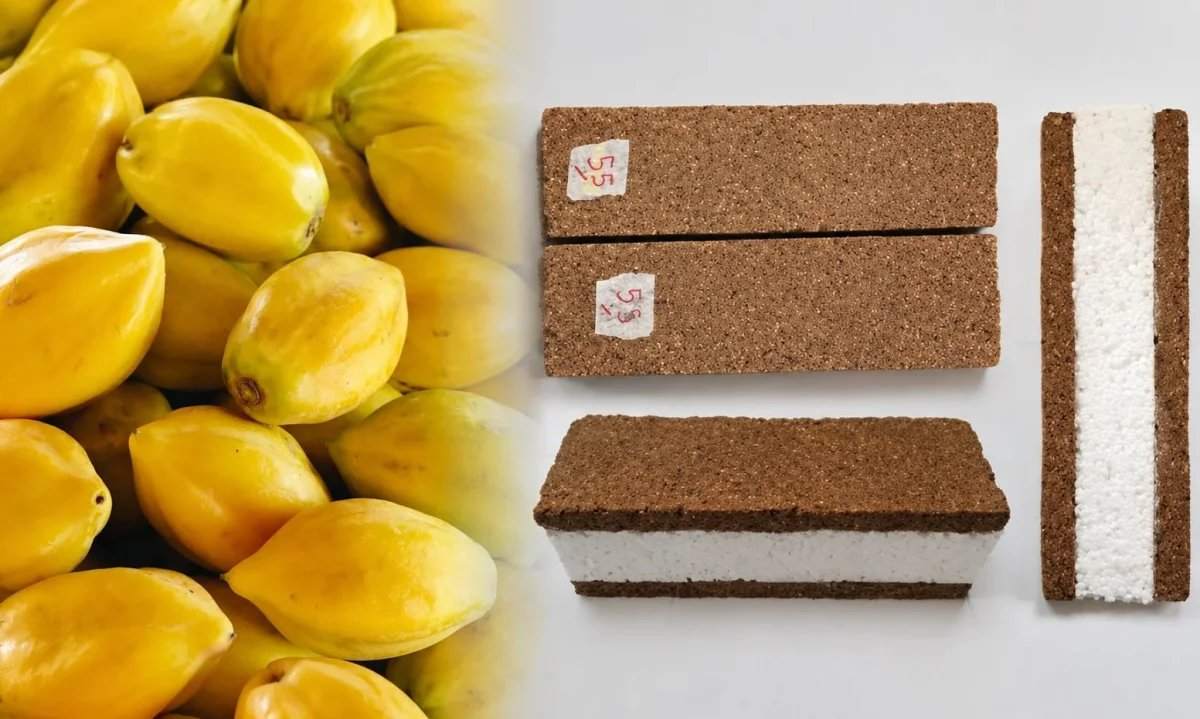
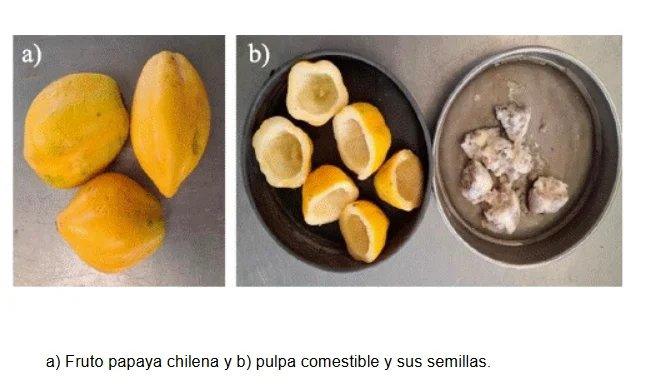
The Chilean papaya (Vasconcellea pubescens) is an iconic fruit of the Coquimbo region, primarily cultivated in the north-central part of the country. Seeds generated during its commercial processing are typically discarded as waste with low utilization rates. From a circular economy perspective, the researchers observed the biological and fibrous properties of this byproduct and identified its potential to replace traditional raw materials for particleboard. The team had previously developed materials using agricultural waste such as walnut shells and olive pomace, and found no international precedents for similar use of papaya seeds.
The research team first sampled, washed, and dried papaya seeds obtained from a family business. They then determined the appropriate particle size through crushing and particle size curve testing to reduce voids in the material. During the board forming stage, the team used commercial polyvinyl acetate (PVAc) adhesive, but the initial formulation required up to approximately 80% adhesive content. By treating the seeds under controlled moisture conditions to achieve a "saturated surface dry" state, the researchers successfully halved the adhesive content and produced a prototype insulation structural board named "Papaya SIP."
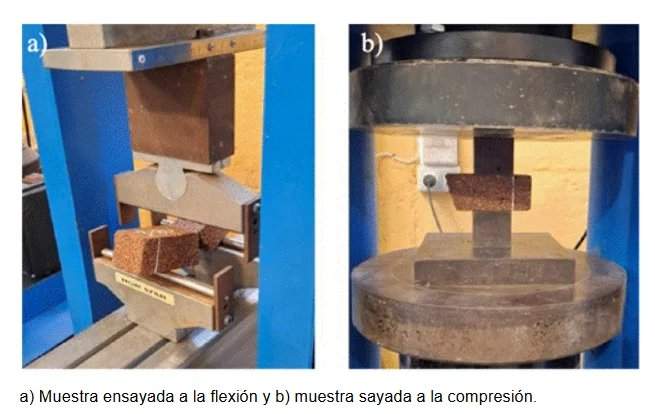
Evaluation results showed that samples with 55% adhesive content and pre-wetting treatment exhibited the best flexural and compressive strength. The material demonstrated thermal and acoustic insulation properties as well as good stability, though moisture-proof treatment is required. Nazer noted that this achievement enables the recycling of waste, opening a pathway for converting agricultural byproducts into inputs for the construction industry, and could also be used to manufacture biodegradable items such as flower pots and boxes. The research paper was published in the journal Obras y Proyectos, emphasizing that no related content existed in previous scientific literature.
In addition to the papaya seed research, Amin Nazer has collaborated with Dr. Rodrigo Olivares, Dean of the School of Construction Engineering (Escuela de Ingeniería en Construcción), on other waste valorization projects, including the development of 100% eco-friendly moldable blocks from office waste paper without the need for adhesives, and cement-free mortar geopolymers using Combarbalita waste. Current research also involves the reuse of agricultural irrigation pipes, mining waste, and grape stalks. Nazer stated that the next step is to advance technology transfer to bring these innovations closer to small and medium-sized enterprises or companies with industrial production capabilities.
This article is compiled by Wedoany. All AI citations must indicate the source as "Wedoany". If there is any infringement or other issues, please notify us promptly, and we will modify or delete it accordingly. Email: news@wedoany.com